



by Helen Barlow
This year, Cannes critics were largely united in their belief that Andrey Zvyagintsev’s Minotaur and Pawel Pawlikowski’s Fatherland were the best films in the competition. Both films won major prizes, yet Cristian Mungiu’s Fjord took out the coveted Palme d’Or, and it came as a surprise.
Minotaur was awarded the Grand Prix or second prize, and will screen at the Sydney Film Festival (SFF) with Zvyagintsev in attendance. “It’s so far and takes so long,” the exiled France-based Russian director says of the trip, though he is very much looking forward to being in Sydney. He will surely have a lot to say.
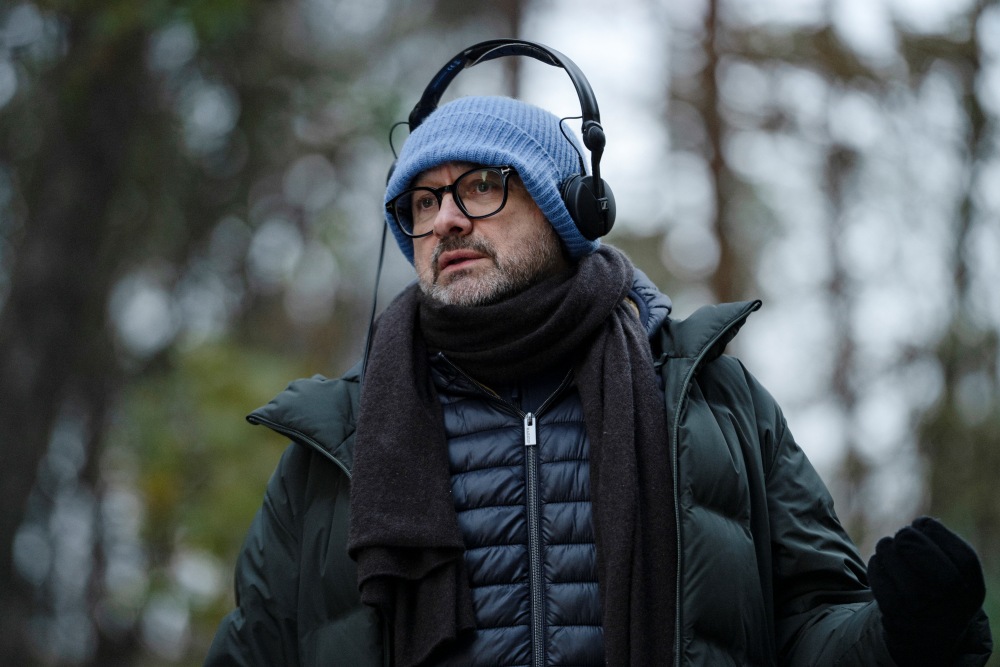
Minotaur [below], based on Claude Chabrol’s 1969 French film, The Unfaithful Wife, is set in Russia and interweaves the story of a married couple (excellent performances from Dmitriy Mazurov and Iris Lebedeva) with a portrait of the country and its corruption today.
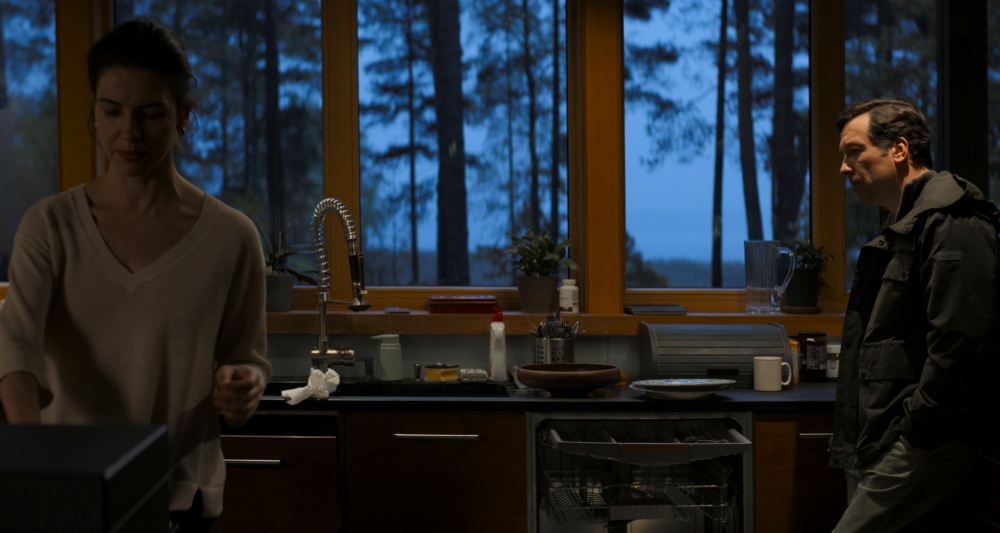
The immaculately filmed Fatherland, for which Pawlikowski shared the best director prize with Javier Calvo and Javier Ambrossi for the Spanish film, The Black Ball, focuses on the Nobel Prize-winning author Thomas Mann (Hanns Zischler) and his trip around war-torn Germany in 1949 together with his daughter Erika, played by the ubiquitous and extraordinary Sandra Hueller.
Fjord focuses on a couple, an unrecognisable Sebastian Stan as the Romanian Mihai and Sentimental Value’s Renate Reinsve as the Norwegian Lisbet. They belong to a strict fundamentalist Christian religion and have moved from Romania to Norway where they ultimately face trial because of their suspected violent treatment of their children. The Norwegian authorities are portrayed as cardboard cut-out villains, which doesn’t do the film any favours.
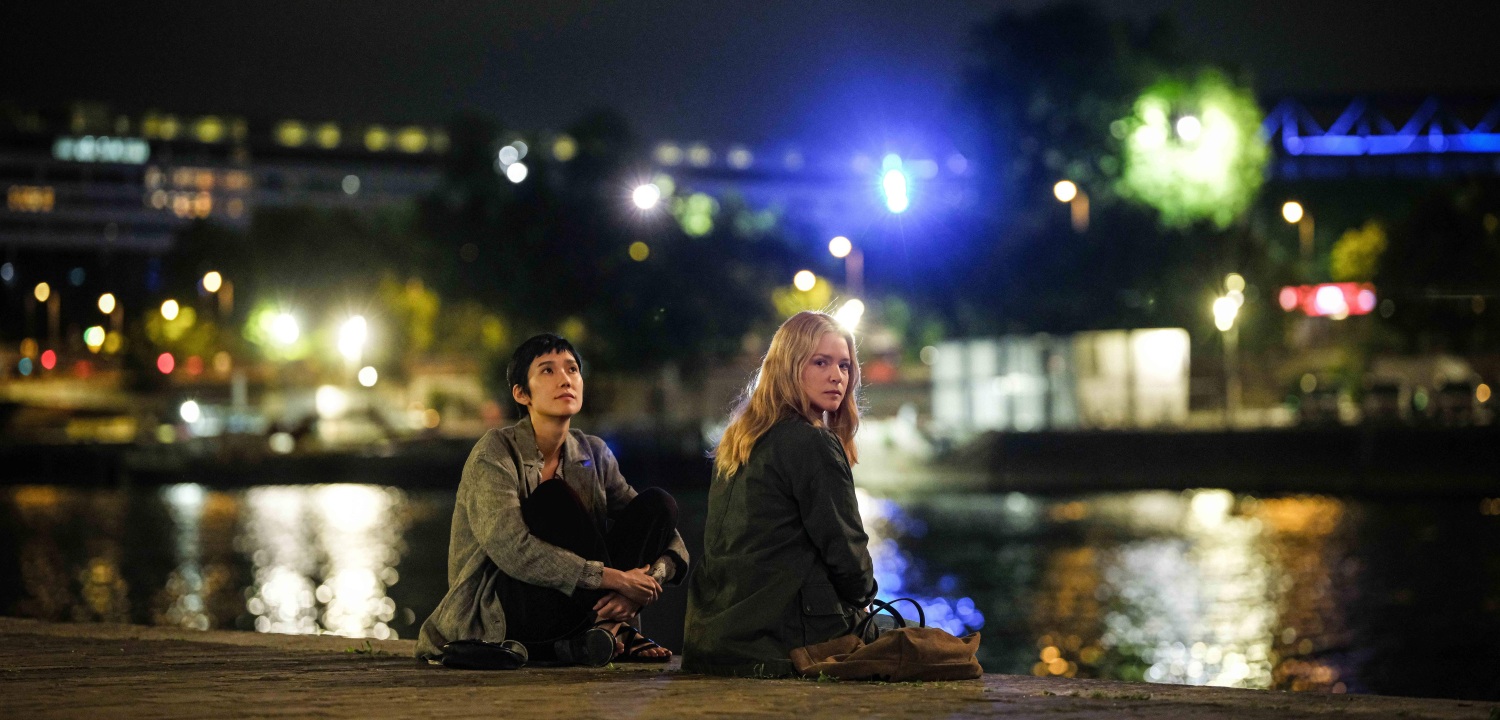
Austrian director Marie Kreutzer will also attend SFF with Gentle Monster, which went away empty-handed in the Cannes awards, even if Lea Seydoux was a strong contender for best actress for her portrayal as a mother discovering her partner’s involvement in child pornography. Virginie Efira and Tao Okamoto ultimately won for Ryusuke Hamaguchi’s All of a Sudden [main image], which follows a subtle romance between Efira’s Paris care home director and Okamoto’s gravely ill stage director.
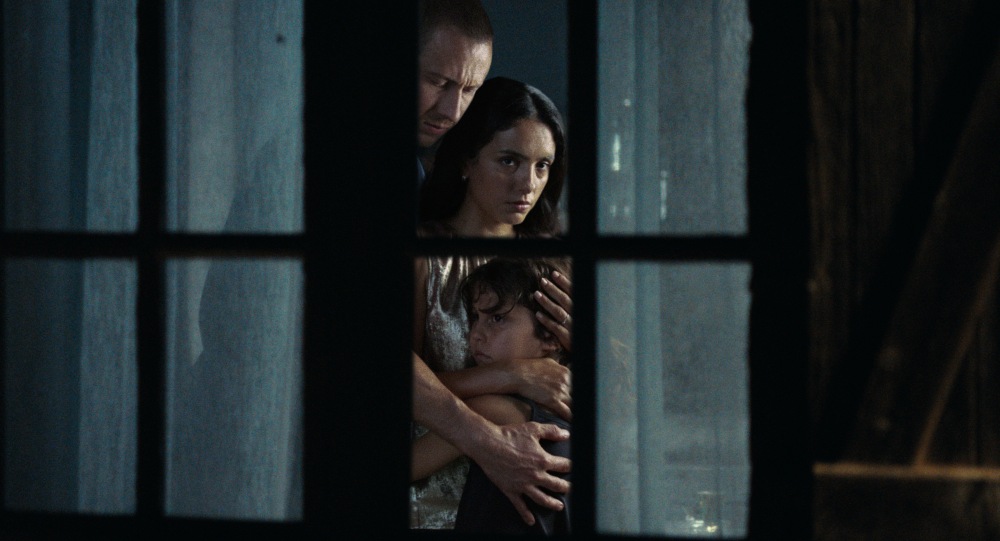
German director Valeska Grisebach’s Jury Prize winner The Dreamed Adventure will also be at SFF as will other competition entries that failed to win awards: French director Lea Mysius’s home invasion thriller, The Birthday Party (possibly too terrifying and uneven for the jury to consider), Asghar Farhadi’s first French film Parallel Tales, Japanese maestro Hirokazu Kore-eda’s Sheep in the Box and US director Ira Sachs’s excellent The Man I Love, a surprisingly uplifting AIDS drama set in 1980s New York and starring Rami Malek [below].

The other strong American competition entry, James Gray’s Paper Tiger [below], was likewise shut out of the awards. Set in 1980s New York, it follows two brothers, played by Adam Driver and Miles Teller, who become ensnared by the Russian Mob. Teller delivers a performance we have never seen before, as does Scarlett Johansson who plays his wife. Expect Teller, Johansson and Malek to figure in US awards season later in the year.
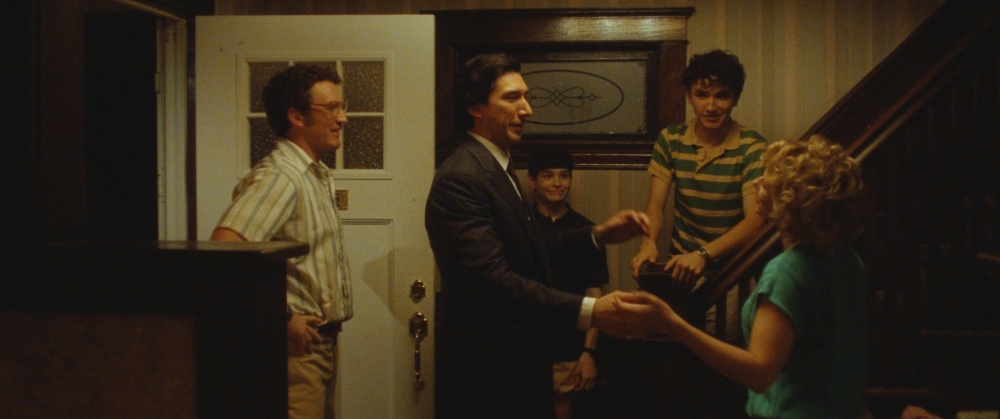
The best French film in Cannes was A Man of his Time [below], which won writer-director Emmanuel Marre the best screenplay award. The story is based on the experience of his great grandfather as a bureaucrat in the Vichy regime and a Nazi collaborator. He is deftly played by Swann Arlaud (the lawyer in Anatomy of a Fall).
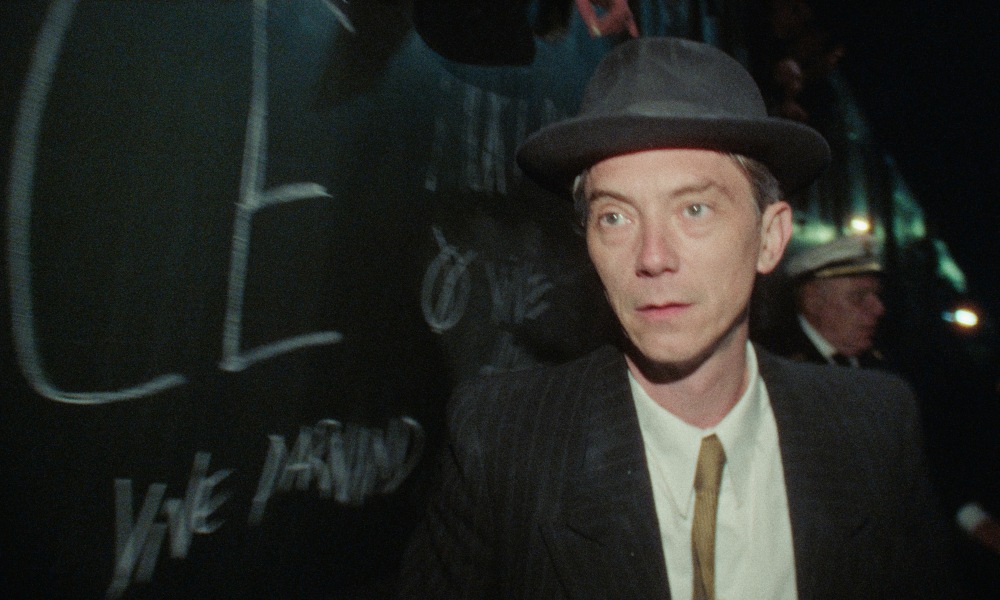
Austrian director Sandra Wollner’s Un Certain Regard winner Everytime is also in SFF. Set between Berlin and Tenerife, it focuses on a mother, daughter and a teenage boy as they reckon with the aftershock of a tragedy.
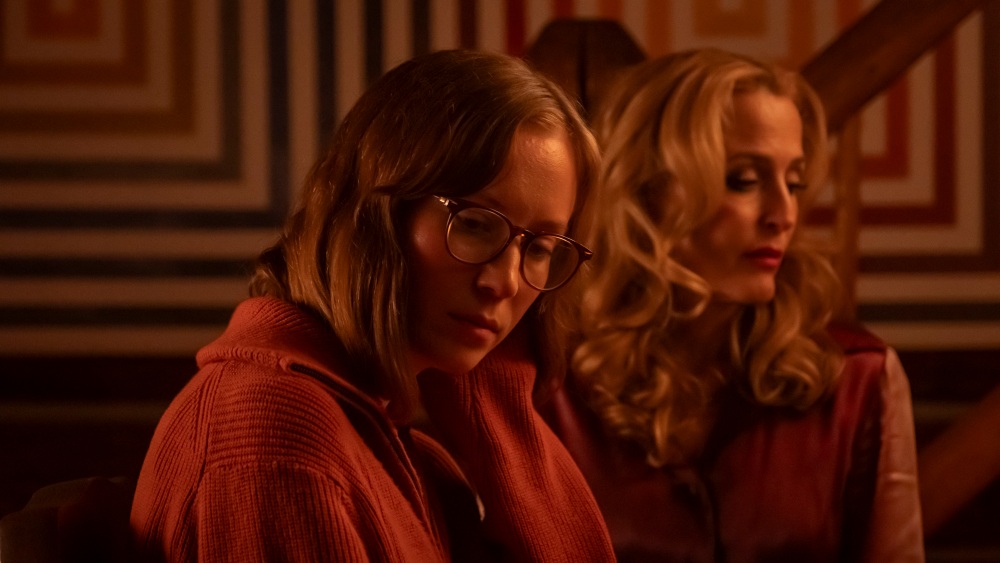
Another Un Certain Regard film that will screen at SFF is Teenage Sex and Death at Camp Miasma [above], which The Guardian calls “a queer slasher spectacular. Jane Schoenbrun unveils a very enjoyable display of transformative ecstasy and submissive rapture, treating us to a bizarre pop-cultural black mass of fiercely believed-in trash and kink.” The film, which stars Gillian Anderson and Hannah Einbinder, is bound to develop a cult following, per her previous film I Saw the TV Glow.

SFF will also screen Thai director Sompot Chidgasornpongse’s 9 Temples to Heaven [above], which follows a family’s pilgrimage to nine temples in the hope of healing their ailing mother. The film screened in Director’s Fortnight.
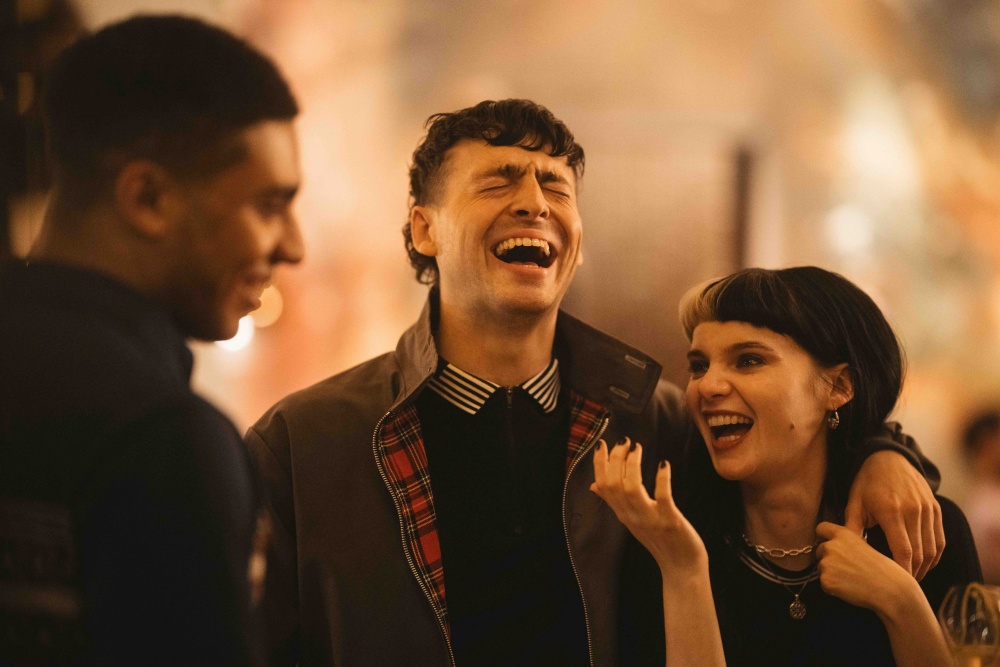
A festival-standout from the section was Clio Bernard’s UK film, I See Buildings Fall Like Lightning [above], about the ongoing connection of five adult friends who grew up in the same Birmingham housing estate, now destroyed in the name of progress. It’s a must-see at SFF. As is veteran auteur Kiyoshi Kurosawa’s majestic epic The Samurai and the Prisoner, his first-ever samurai film, set in Japan’s Warring States period.

The film that had the biggest wow factor in Cannes was Club Kid [above], the directing debut by US comedian Jordan Firstman, who also stars. It became the subject of a bidding war with A24 emerging as the victor. Variety calls it “a sweet, surprisingly old-fashioned heartwarmer” and notes that the film “is dressed up in the spiky style and slang of New York’s queer party scene, but the core of this father-son bonding tale is pure Hollywood.”
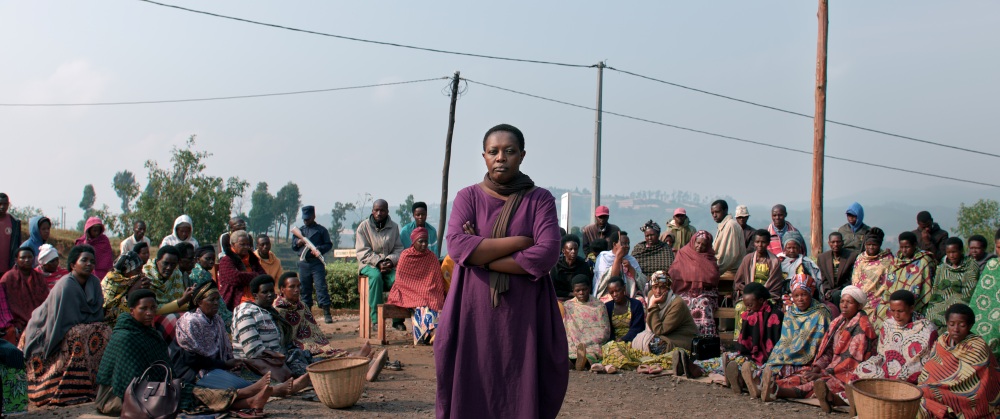
Many believed that the film would win the Camera d’Or for best first film, but again the Americans were shut out. The Camera d’Or winner, bound for SFF, was Marie Clémentine Dusabejambo’s well-received Ben’Imana, the first film directed by a Rwandan filmmaker to be selected for Cannes’ official selection. Set in Rwanda in 2012, it follows Veneranda, a survivor of the 1994 genocide against the Tutsi, who is involved in community-led justice and reconciliation. As she faces mounting pressures in her work, a personal crisis within her family forces her to confront the limits of her beliefs.
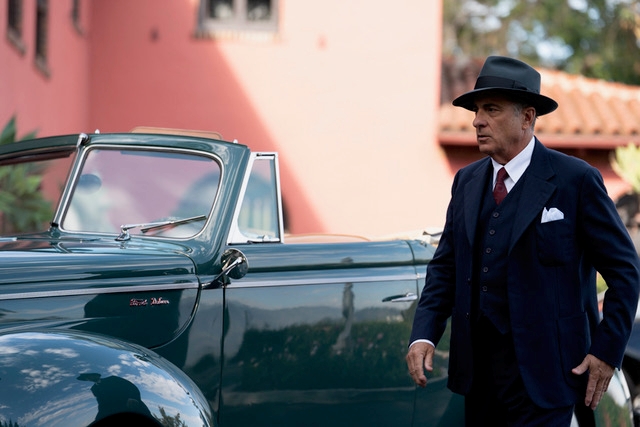 Like Club Kid, John Travolta’s 61-minute directing debut, Propeller One-Way Night Coach, was deemed sweet by many critics, though it had its detractors. Another Hollywood star, Andy Garcia, delivered his second directorial effort, Diamond, which he wrote, directed and starred in. Diamond is a kind of homage to vintage Los Angeles, where Garcia plays a current-day detective, Joe Diamond, who looks like he’s in a 1940s Hollywood movie. Still skilled at his job, he is hired by a wealthy widow (a wonderful Vicky Krieps) to investigate the mysterious death of her husband.
Other films that impressed at the festival include the animated US Alzheimer’s drama Tangles and the Argentinian football movie The Match. Tangles is a personal story for producer Seth Rogen who met his wife when his mother-in-law was struggling with the disease. Julia Louis-Dreyfus voices her in a hugely relatable way. The Match, which meticulously follows the 1986 World Cup quarter final between Argentina and England — and Maradona’s Hand of God goal – is one of the best football movies ever, far better than the festival’s other football documentary, Cantona.

Another French film that captivates is Helene Rosselet-Ruiz’s debut feature, Madame [above], an intimate thriller based on the director’s own story. It follows Laura, a working-class woman who is hired to look after and spy on Souria, the mistress of a Saudi Prince. Souria enjoys all the luxury we might imagine while being kept indoors in salubrious surrounds. When the Prince eventually tires of her, drama ensues. “For all the high tech and haute couture on display throughout, this feels much like a modern fairy tale, one warning young women against seeking love and riches that have hidden costs to the soul,” notes The Hollywood Reporter.
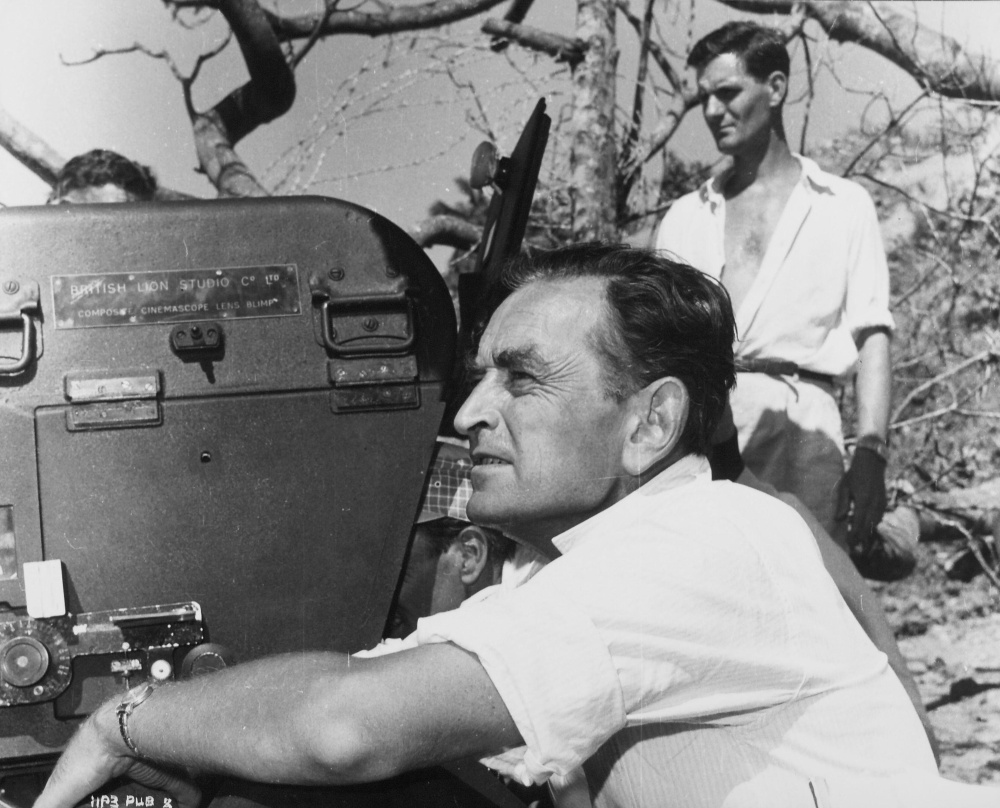
Two documentaries in the Cannes Classics section were excellent. Cate Blanchett amusingly voices Barnaby Thompson’s Maverick: The Epic Adventures of David Lean [above], which discusses the legendary British director’s stringent working method — and his many wives; while Italian master Vittorio De Sica is shown as a loveable nice guy in Francesco Zippel’s Vittorio De Sica—Staging Life. One imagines these films might find a home on the streamers, but to see the footage on the big screen — Lawrence of Arabia particularly — is something else.
