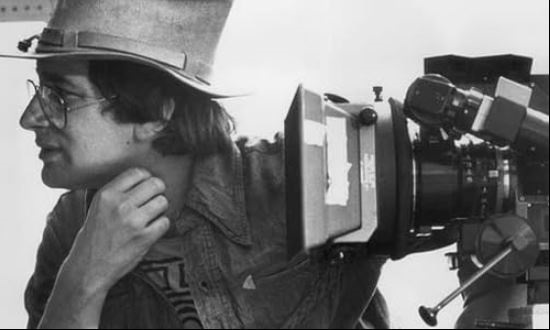



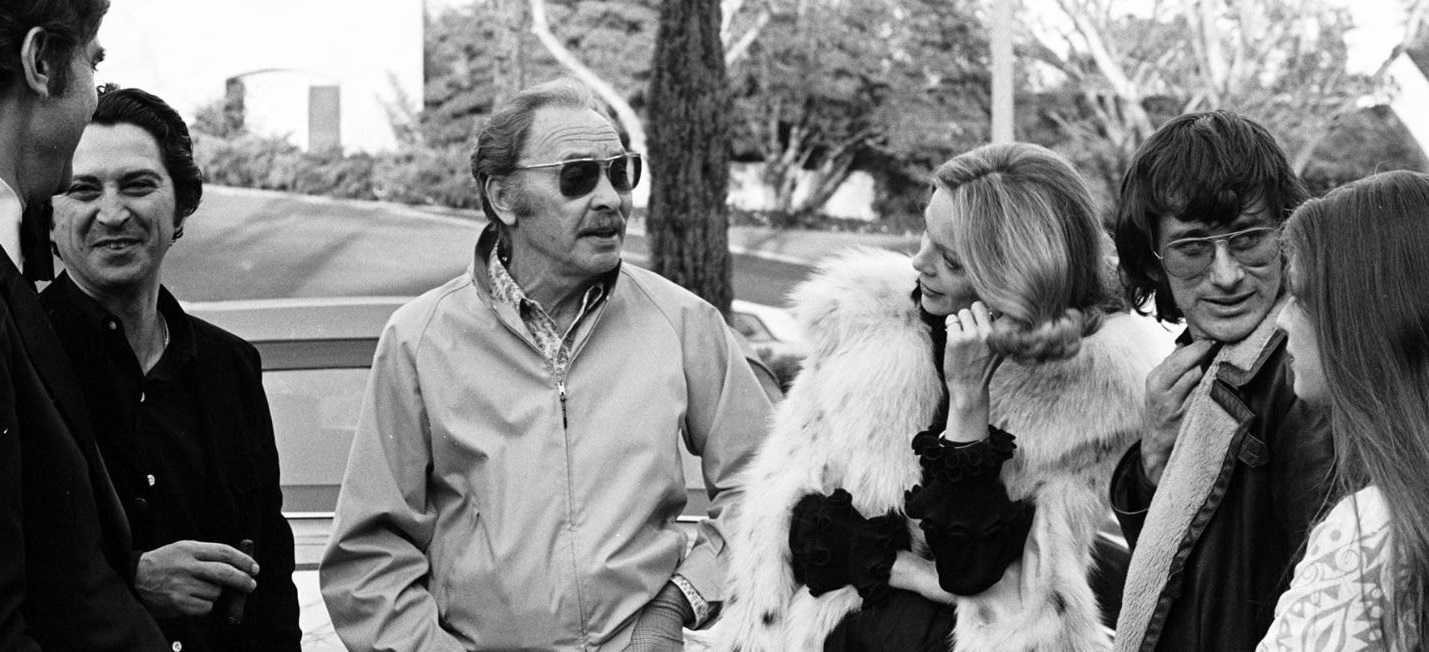
By Erin Free
In this regular column, we drag forgotten made-for-TV movies out of the vault and into the light. This week: 1972’s horror flick Something Evil and the 1973 political thriller Savage, both directed by a young Steven Spielberg.
Steven Spielberg is, unquestionably, one of the most high-profile film directors in cinema history, with the recognition factor of his name alone rivalled only by his friends George Lucas and Martin Scorsese, and by vintage movie greats like Alfred Hitchcock and Orson Welles. Everyone knows who Steven Spielberg is, and when talk turns to the lesser-known entries on this powerhouse’s directorial resume, it is usually the very early works (1974’s The Sugarland Express) and the relative box office failures (1979’s 1941, 1989’s Always) of Steven Spielberg that are brought up. One step further into what passes for Spielberg-level obscurity will get you to 1971’s Duel, a masterful telemovie so good that it was beefed up with extra footage by the director and then released theatrically in various international markets.
This technically ingenious, utterly gripping, and brutally simple thriller – in which Dennis Weaver’s harried motorist is stalked and intimidated on the road by a menacing truck – is often referred to as “Steven Spielberg’s forgotten telemovie”, or some other basically apocryphal descriptor. In fact, Duel is very far from forgotten (it has been widely available on DVD and VHS for many years, pops up frequently on streaming services and TV, and has inspired much positive commentary), but Spielberg did make two more telemovies after it which have sadly and far more certainly drifted off into obscurity. These two telemovies aren’t even on the same stretch of road as Duel when it comes to artistry and influence, but they’re definitely worth taking for a spin, and remain utterly essential for Spielberg completists.
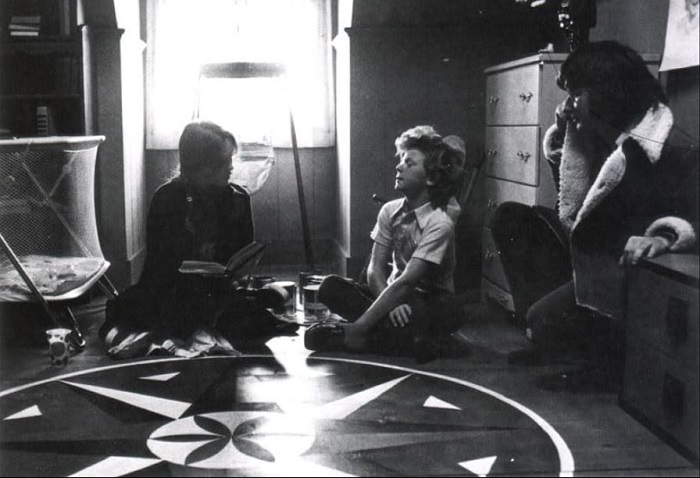
Though now rarely acknowledged, Spielberg indeed got his big break on television, and has returned to the small screen at different junctures in his successful career, most notably as a producer on the likes of Amazing Stories and The Pacific. In his very early days, Spielberg directed a number of short films and his own microbudget feature (1964’s “lost” alien film Firelight), and then moved on to helm episodes of TV series like Marcus Welby MD, Night Gallery, The Name Of The Game and Columbo. This led to Spielberg being given the reins on Duel, which the emerging young filmmaker turned into nothing less than a masterclass on how to create on-screen tension and suspense. Tellingly, Spielberg would utilise many of the same techniques that he employed on Duel on his blockbuster masterpiece breakout Jaws in 1975.
The year after Duel, Spielberg shifted sideways from the thriller and into the horror genre with 1972’s Something Evil, a haunted house chiller that provides its fair share of scares but fails to reach the great heights achieved by its white-knuckle predecessor. From an original screenplay by soon-to-be-director Robert Clouse (who would go on to helm hard-thumping action flicks like The Ultimate Warrior, Golden Needles and the Bruce Lee classic Enter The Dragon), Something Evil offers up many low-wattage pleasures, but the most substantial is unquestionably the opportunity to see the great Sandy Dennis in a lead role. This gifted and highly unusual performer passed away very sadly and way too early at the age of just 54 from ovarian cancer, leaving behind an impressive but far-too-small body of work that includes such singular films as Who’s Afraid Of Virginia Woolf? (1966), Up The Down Staircase (1967), That Cold Day In The Park (1969), The Out Of Towners (1970) and Come Back To The Five & Dime, Jimmy Dean, Jimmy Dean (1982).
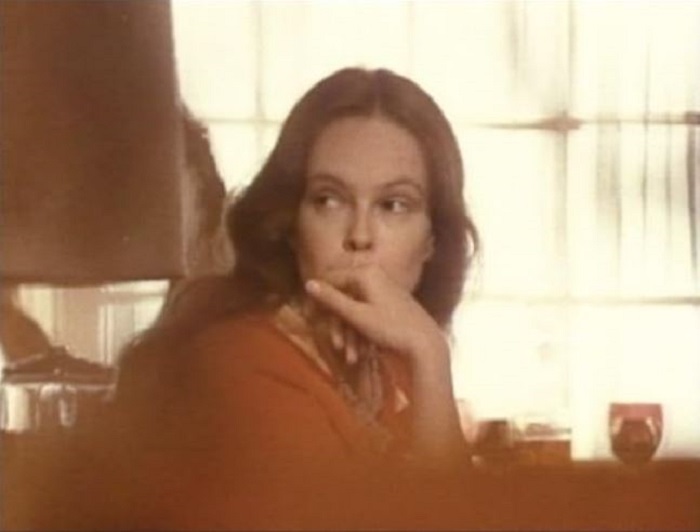
With her famed Method-style tics, mannerisms, and actorly flourishes, the unconventionally beautiful Sandy Dennis was an utterly fascinating performer, able to reveal her characters’ emotions and inner turmoil with such honesty and power that she could literally drag the viewer right into her on-screen psychodramas. The edgier the material is, the more dynamic Dennis is, and she certainly gets a lot to work with in the telemovie Something Evil. Dennis is Marjorie Worden, a suburban housewife who convinces her ad director husband Paul (Darren McGavin) to buy them a house in the country. After the quick purchase, the happy couple packs up their two kids (played by Debbie Lempert and red-headed 1970s child superstar Johnny Whitaker, who would go on to star in 1973’s Tom Swayer and TV’s Sigmund And The Sea Monsters), and moves from the big city to their new rural idyll.
Very soon, however, Marjorie realises that there is something not quite right with the house. There are portentous mutterings from various locals (played by the impressive likes of Ralph Bellamy, John Rubenstein and an entertainingly sinister Jeff Corey) about its history, and lots of things that go bump in the night. With her caring but slightly distant husband constantly away in the city for work, Marjorie becomes increasingly unhinged as things in the house get creepier and more threatening with each passing day. At a slow-burning 73 minutes (the very trim standard for early 1970s telemovies), Something Evil eventually builds to a slightly crazed-and-dazed finale that wades feverishly and headfirst into the film’s supernatural elements.
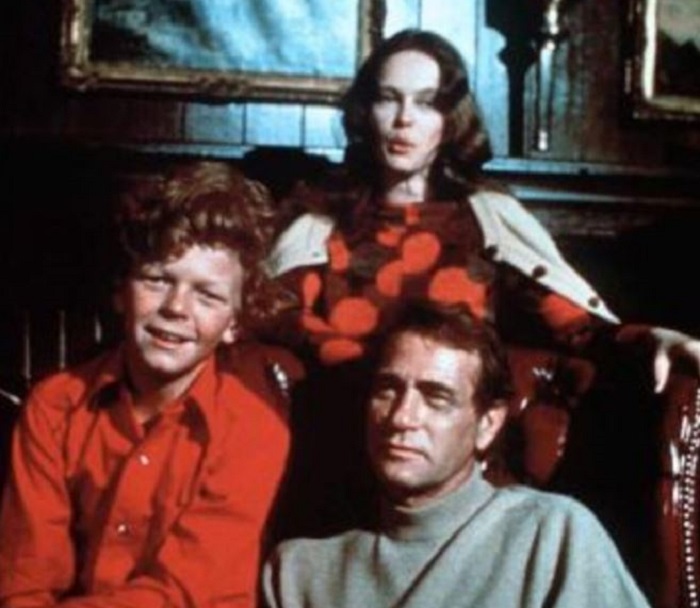
Though obviously hampered by a typically low telemovie budget, Spielberg grinds every ounce of suspenseful juice out of his film’s very simple premise and straightforward script. The young director opens proceedings with a bizarre, trippy prologue that instantly places the viewer on edge, and then amps up every shock and scare with gleeful initiative, swooping his camera around the action and keeping the pace up with the kind of skill that would eventually become something of a trademark for the director. Spielberg also gets excellent performances out of the entire cast (even though McGavin and Dennis never feel quite right as a couple, partially due to their obvious age difference), with Dennis holding it all together and making for a highly engaging and sympathetic heroine. Though the ending gets a little loopy and far too literal, the small-scale Something Evil is a highly enjoyable slice of telemovie horror, while its decidedly modest vibe is enjoyably at odds with where Steven Spielberg would eventually land as a blockbuster filmmaker.
Even more obscure than Something Evil is Spielberg’s following telemovie, 1973’s Savage, likely assigned cast-off status due to the fact that it was set up as the pilot for a TV series that never got off the ground. That said, this is a terrific showcase for the young director’s burgeoning talents. Savage is a hectic, fast-paced take on the intersecting worlds of US politics and current affairs television, and Spielberg goes all-out with swirling camera moves and breakneck editing to create an air of deadline-dependent tension and unfolding excitement.
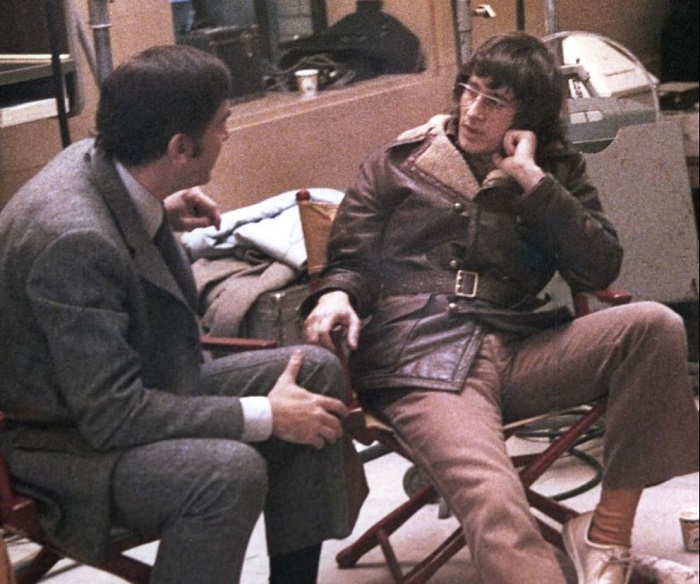
Though he was trying at the time to get his own projects off the ground and was allegedly not overly enthused with the script for Savage, Spielberg nevertheless invests the telemovie completely with his characteristic commitment and sense of stylistic flair. The director also constructs a rock-solid template for the intended series to follow, but production company Universal Television allegedly (and ironically) felt the project was far too critical of the television news industry, and as a result, didn’t see it through to production.
A charismatic and on-point Martin Landau is superb as Paul Savage, the sly, savvy and wonderfully dogged Paul Savage, a seasoned journalist and host of his own current affairs TV programme. Covering the announcement of new Supreme Court Judge Daniel Stern (Barry Sullivan), Savage is caught on the run when Lee Reynolds (Susan Howard) offers to sell him a photograph of her and the married judge together. Instantly stuck in a moral jam, things get even tighter for Paul Savage when Lee Reynolds is found dead after either having fallen or jumped from her apartment balcony. Savage knows something sinister is unfolding and starts to dig into the case, which leads him down the corridors of power and into the rarefied orbit of creepy, reclusive businessman Joel Ryker (masterful character actor Will Geer – best known as Grandpa Walton but with a resume bulging with great work – is low-key but menacing to the extreme here), who has a thing for young women, and his hands tightly wrapped around the puppet-strings of Washington politics.
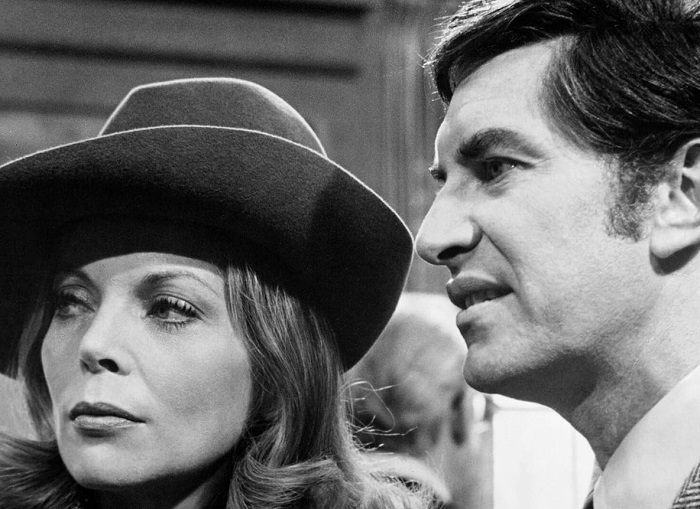
Unfolding at breakneck speed, Savage is topical, energetic and exciting from start to finish, and actually plays nicely as a televisual footnote to the exalted pantheon of 1970s political thrillers typified by Alan J. Pakula’s All The President’s Men and The Parallax View. Sharply edited and tightly scripted by Mark Rodgers, William Link and Richard Levinson, Savage digs deep into the morally fraught back-and-forth that has long existed between the media and the political class, while also unfolding in the crisp, entertaining manner of a TV police procedural.
Savage would have made for a solid TV series indeed, with Martin Landau’s smart, slightly unscrupulous but morally sound TV news reporter Paul Savage at its centre, and an already-set cast of strong supporting players. Landau shares great chemistry with the superb Barbara Bain (Mission: Impossible, Space: 1999), who exudes charm, style and a keen intelligence as Savage’s clued-in producer, while Dabney Coleman (minus trademark moustache!) is fun as their droll, wet-blanket TV network boss. In terms of its one-and-done players, alongside the aforementioned Will Geer, Paul Richards is great as a malevolent political fixer, while TV vet Louise Latham is exceptional as the emotionally fragile wife of Barry Sullivan’s imperious judge.
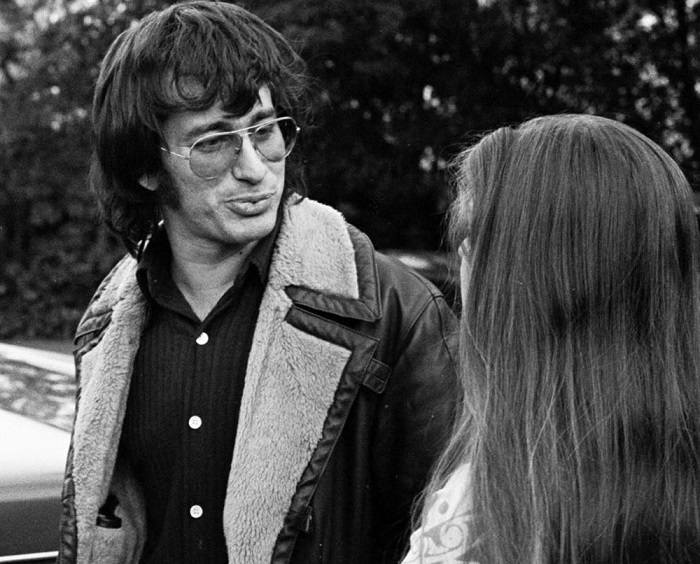
Now standing as a one-off telemovie, Savage is an impressive political thriller that showcases Steven Spielberg’s supreme gifts as a filmmaker. When watched alongside Something Evil, it makes for a fascinating picture of one of cinema’s most important figures striding forcefully and purposefully towards greatness.
Availability: Something Evil and Savage are very easy to find online in slightly ropey but certainly watchable form.
If you enjoyed this review, check out our other vintage telemovies A Step Out Of Line, The Boy In The Plastic Bubble, The Dirty Dozen: Next Mission, A Very Brady Christmas, The Gladiator, Elvis, The Rat Pack, Silent Victory: The Kitty O’Neil Story, Terror Among Us, The Hanged Man, Hardcase, Charlie’s Angels: Angels In Vegas, Vanishing Point, To Heal A Nation, Fugitive Among Us, To Kill A Cop, Dallas Cowboys Cheerleaders, Police Story: A Chance To Live, Murder On Flight 502, Moon Of The Wolf, The Secret Night Caller, Cotton Candy, And The Band Played On, Gargoyles, Death Car On The Freeway, Short Walk To Daylight, Trapped, Hotline, Killdozer, The Jericho Mile, Mongo’s Back In Town and Tribes.