



by Cain Noble-Davies
Worth: $16.00
FilmInk rates movies out of $20 — the score indicates the amount we believe a ticket to the movie to be worth
Cast:
Kimi Hsia, Yang Kuei-mei, Sam Tseng
Intro:
… a powerful look at trauma, forgiveness, and the many roles that people play in life.
Yen (Kimi Hsia), fresh out of prison for manslaughter after killing her father to protect her mother Ai-Lee (Yang Kuei-mei) from his abuse, is struggling to readjust to life without the bars and without her father. Meanwhile, Allie (also played by Kimi Hsia) is attending a college drama class.
Right from the first shot, a long-take of a blood-splattered Yen cycling towards the camera, Hsia commands the screen. As Yen, she brings visceral and eye-watering emotionality out of her strained attempts at reconnection with Ai-Lee, and as Allie, her withdrawn but capable presence lends itself beautifully to the various musings on what constitutes as ‘acting’ and the emotional connections made between the performer and the audience.
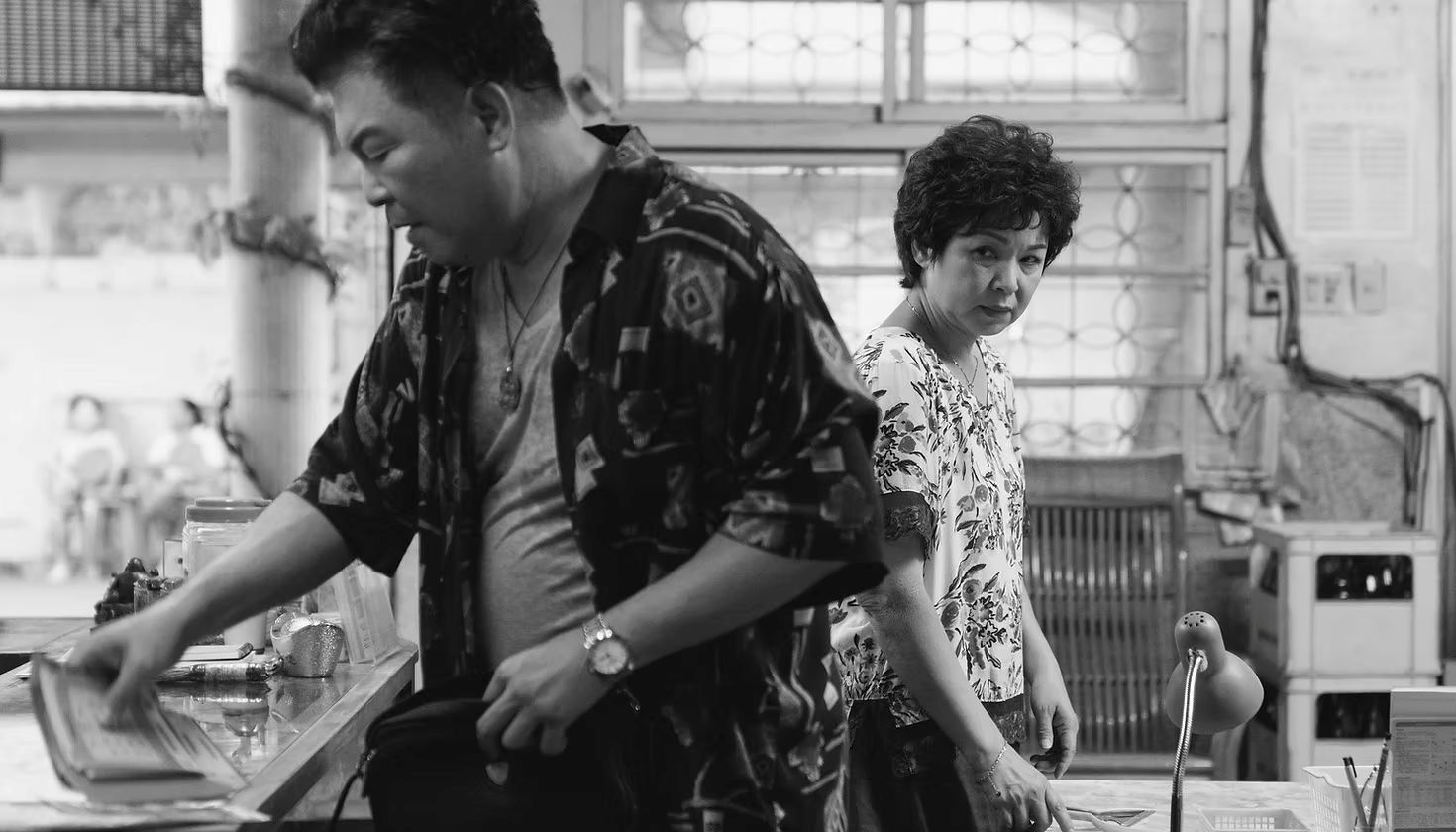
Between these two central roles, along with Ai-Lee and her own struggles with her thuggish boyfriend Ren (Sam Tseng), writer/director Tom Lin Shu-yu ruminates on and dissects the nature of performance as an aspect of everyday life, whether it’s a mother putting on a brave face for her children, a daughter put into societal roles beyond her control, or just the sense of personal power that can come out of delivering an effective and convincing stage presence.
On the surface, it’s easy to downplay performances as just ‘being something that you’re not actually’, but it tends to be more complicated than that. It’s not as simple as just faking a personality that you lack, and yet it also doesn’t mean that personal experience with a mood or character beat always translates into dramatic catharsis. (Just as a random example, no matter how much actual surfing experience Kelly Slater has, it didn’t make his turn on Baywatch any easier to sit through). To quote actress Abigail Thorn of Philosophy Tube: “When you play a character, when you really play them, like an actor does, that’s not somebody totally alien to you. That’s you in different circumstances.”
And with Yen, it’s far too easy to understand why she would long to find herself in different circumstances. While the film mostly abstains from any direct value judgments in regards to Yen committing manslaughter (which keeps this away from any vigilante genre flavourings that might have interfered with the film’s dramatic core), it does dig into the monumental task of figuring out what comes after. As fascinating as its metacommentary on the art of acting, it’s the idea of forgiveness as an act of compassion for the self, more than for the person being forgiven, that really shines through. It’s like a more tonally-consistent version of Destin Daniel Cretton’s The Glass Castle in how it examines a child’s maturing recognition of the reality that is their guardian’s behaviour, and needing to reconcile it all into the actions of a single person as a means of bidding them farewell. Its holistic approach to what having a family truly entails helps the dramatic moments.
Yen And Ai-Lee is a powerful look at trauma, forgiveness, and the many roles that people play in life. The stark black-and-white footage from DP Kartik Vijay melds together with Tom Lin Shu-yu’s writing and Kimi Hsia’s magnificent dual performances to present what feels like an honest, earnest, and relentlessly inquisitive snapshot of a real world, where hope can be discarded like flakes from a scratchie ticket, or soak itself in tears from under a funeral veil.
