


by Nataliia Serebriakova
At last year’s Cannes Film Festival, Chilean director Diego Céspedes emerged as one of the most striking debut voices — not only because of the emotional depth of his film The Mysterious Gaze of the Flamingo, but also because of the instinctive, almost tactile way that he approaches storytelling.
In conversation, Céspedes reveals a process driven less by structure than by intuition, memory, and emotional truth.
“I don’t actually know what was the beginning of the film”
Céspedes immediately challenges the conventional idea of a story’s origin. For him, the film does not begin with a clear concept, but with people and emotions: “I don’t actually know what was the beginning of the film or the motivation, like the written motivation.”
Instead, he traces it back to those closest to him: “I love the characters that are behind them. I am inspired a lot by the people that are surrounding me. And so that was the very beginning of the film.”
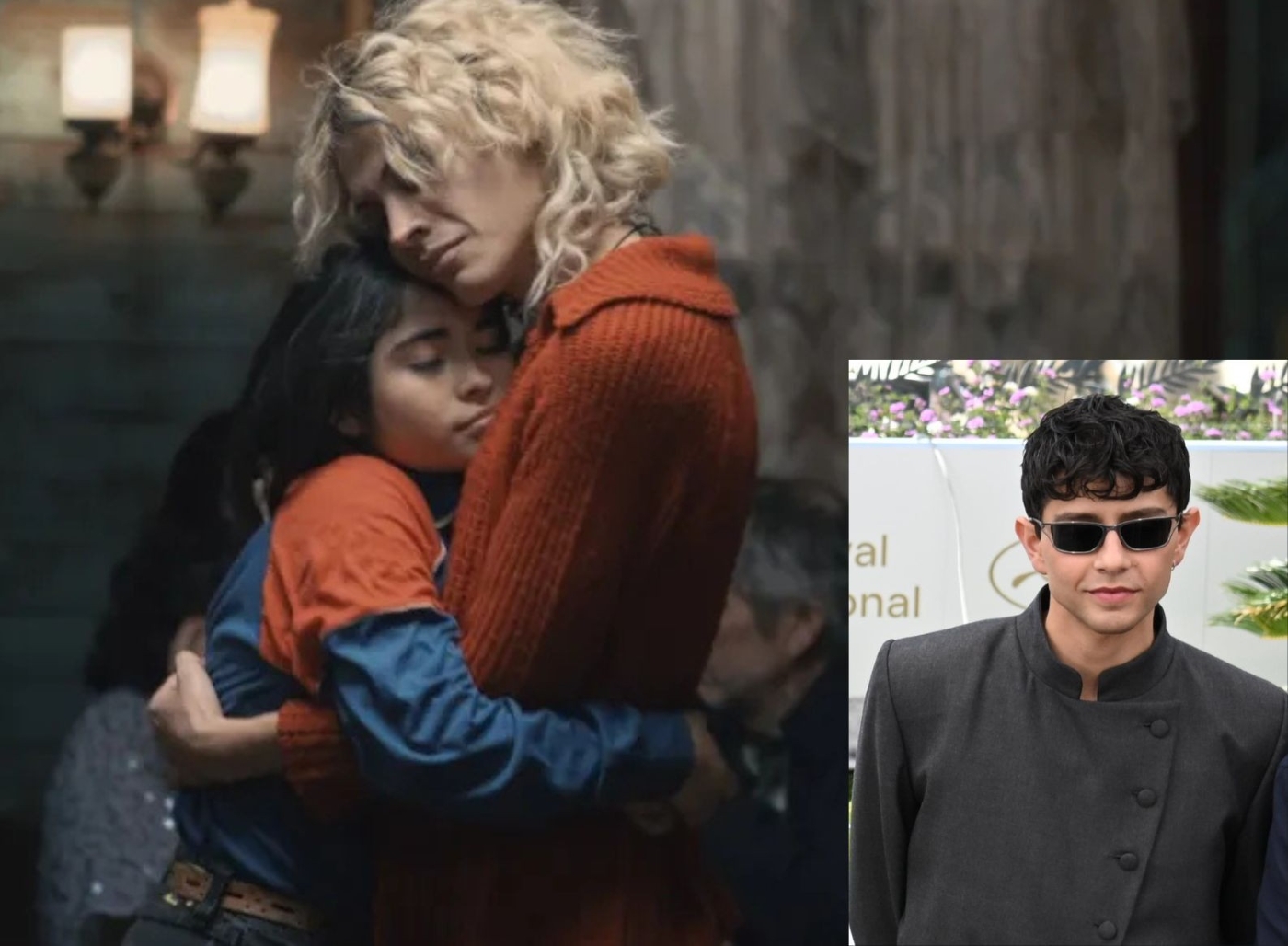
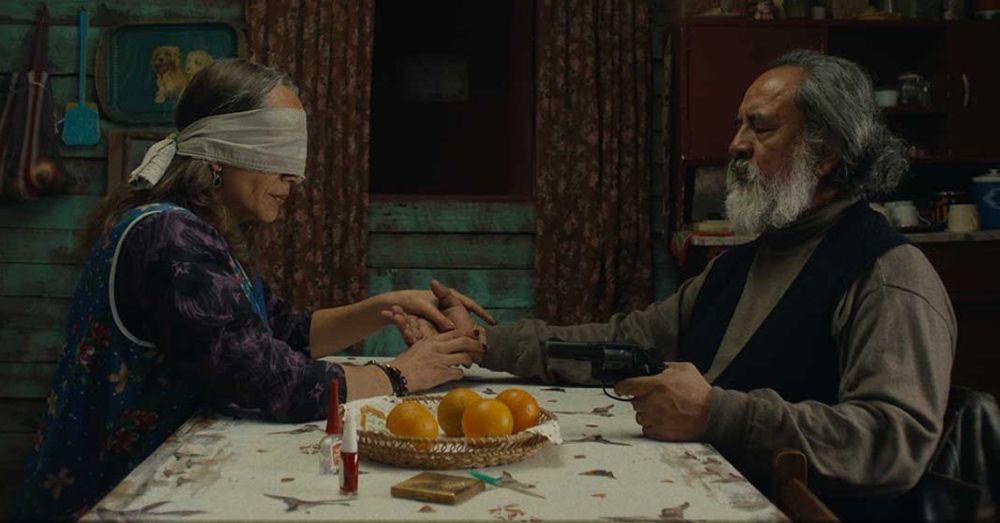
One intimate image becomes foundational: “My little sister painting the nails of my older brother was the beginning of this relation between Flamingo and Lidia.”
Rather than constructing the film in a rigid way, Céspedes describes a fluid, intuitive process: “I just felt it in every place… I just mixed a lot of people that I know.”
This emotional approach extended to every stage of production: “When I cast, it’s people that I felt something in my heart… in the editing, also was what moved me the most… I think that makes a film that is more fluid in a way.”
Casting Lidia: “She was the character”
The character of Lidia — one of the film’s emotional cores — is also rooted in personal experience: “I wrote Lidia’s character based on my sister and my cousins.”
Céspedes grew up surrounded by women: “I grew up in a female family in the suburbs of Santiago. So, I really had this child attitude in my head, this girl attitude in my head.”
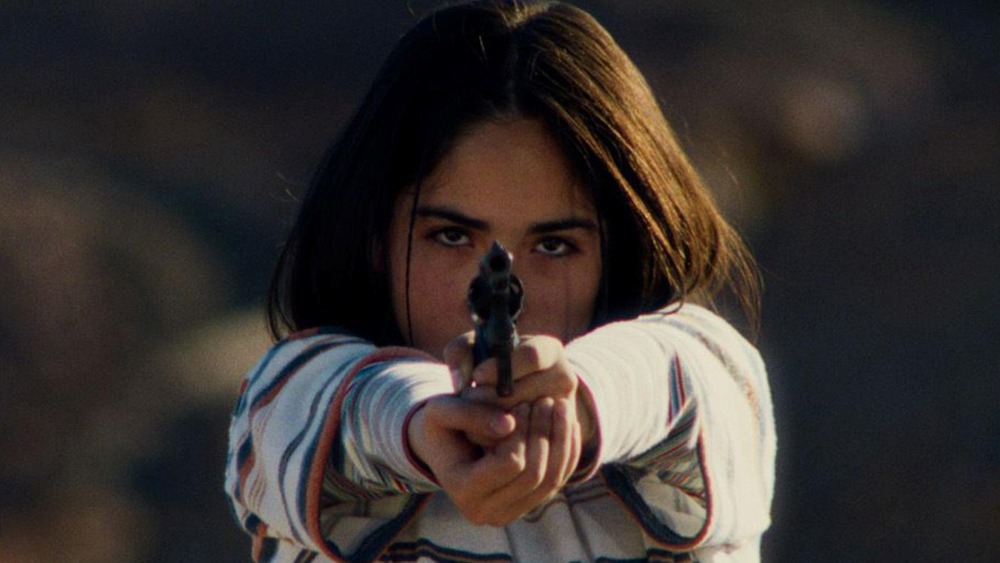
The casting process was extensive: “We looked at a lot of girls, like 300.” Until: “Tamara [Cortes] appeared and she was the character.”
What makes the performance so powerful is its naturalness: “She never did anything with cinema before… she really understood how to play the game of cinema very fast… I think that it is because she’s talented, because she was very similar to the character.”
The working process remained intimate and supportive: “We worked in a very familiar way with her.”
Beyond AIDS: “AIDS is not my problem”
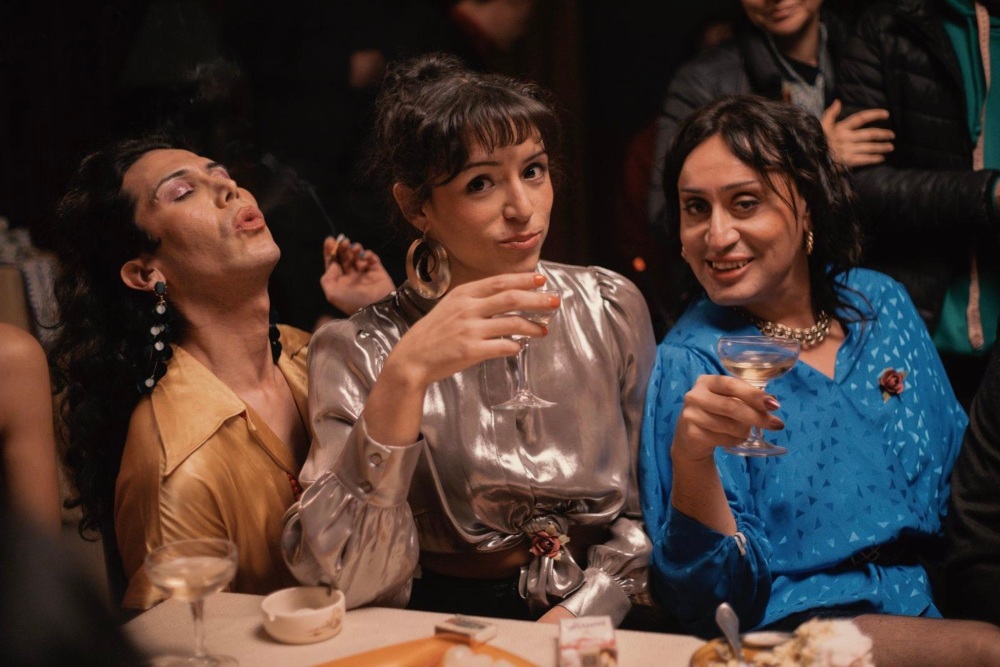
Although the film is haunted by the presence of AIDS, Céspedes deliberately avoids naming it directly. The reason is deeply personal: “I know a lot about AIDS because my family… had a hairdresser and worked with gay men and all of them died of AIDS.”
What stayed with him was not just the disease, but the stigma around it: “Mostly through the prejudices about it.”
This led to a clear creative decision: “I didn’t want to do a film about AIDS because AIDS is not my problem… it’s a disease that we treat with medicine now.”
Instead, he shifts the focus to something more fundamental: “My problem is prejudice… the fear that moved the characters, the love that makes them resist dark times.” As he puts it: “Not a written disease film.”
Building a World: Colour, Texture, and an Abandoned Town
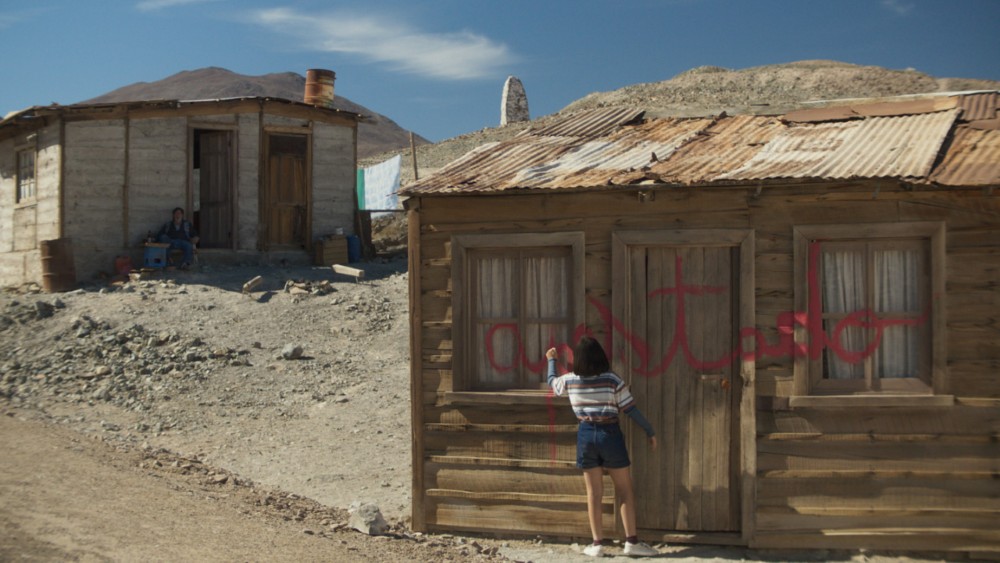
The film’s striking visual identity was carefully constructed with production designer Bernardita Baeza: “We worked from the very beginning.” Every detail was intentional: “We give a sense to all of the colours… to all of the textures… every element… was there for a reason.”
Even the town itself was rebuilt: “We rebuilt an abandoned town.” And further shaped: “My art designer brings it back with the colours and the texture that we decide… we build it entirely.” The result is a fully controlled, expressive cinematic space.
Bodies, Violence, and Group Dynamics
Working with a larger cast was new for Céspedes. Instead of rehearsing scenes, he focused on relationships. “To rehearse the bonds, the relations between them.”
Even the violent moments were approached with openness. “For the violence, we set some elements that you need to do… but not to rehearse the literal scene.” The key to the group dynamic was “to know each other a lot… to know what position they have… what role they have in the narrative.”
A Five-Country Production and Creative Control
The production process was complex. “It was a very long process, like five countries.” Producers were actively involved. “They want to talk a lot.” But Céspedes maintained control over the creative boundaries. “You understand as a director… how much you let them in.”
His priority remained clear: “I try to keep my creative process pure.”
Between Reality and Utopia
The queer community in the film feels like a utopia — but Céspedes questions that idea: “I think that today we live in utopia.” He adds: “Sometimes I wake up and ‘my God, this is real’.” For him, the line between reality and utopia is blurred. “Every crazy world has its own utopia part… what’s not utopia now?”
Learning from Raúl Ruiz: “He kept his soul”
Céspedes also reflects on one of his key influences, Raúl Ruiz: “He’s one of my favourite.”
And highlights what matters most: “He built from the heart and not from the industry… he kept his soul.”
It’s a statement that could just as easily describe Céspedes — a filmmaker shaping cinema not through rigid ideas, but through emotion, memory, and human connection.
The Mysterious Gaze of the Flamingo is streaming now on Mubi.
The Mysterious Gaze of the Flamingo can be viewed by taking up our exclusive 30 day free trial with Mubi.
