



by Lewis Khan
For a long time, documentaries sat just outside the main game.
They were respected, occasionally celebrated, but rarely treated as central to how the industry built value. Scripted projects carried the weight. They drove careers, attracted financing, and shaped how audiences engaged with stories. Documentaries filled gaps around the edges.
That position is changing, and not for the reasons most people think.
The shift isn’t simply about taste or a sudden surge in audience appetite. It sits inside a deeper pressure point. Scripted production has become more expensive, more fragmented, and harder to underwrite. Buyers are fewer, licence fees are tighter, and the path from development to greenlight stretches longer each year. When uncertainty expands like that, the industry doesn’t just slow down. It looks for formats that behave differently.
Documentaries have stepped into that gap because they reduce uncertainty in ways that scripted projects currently can’t.
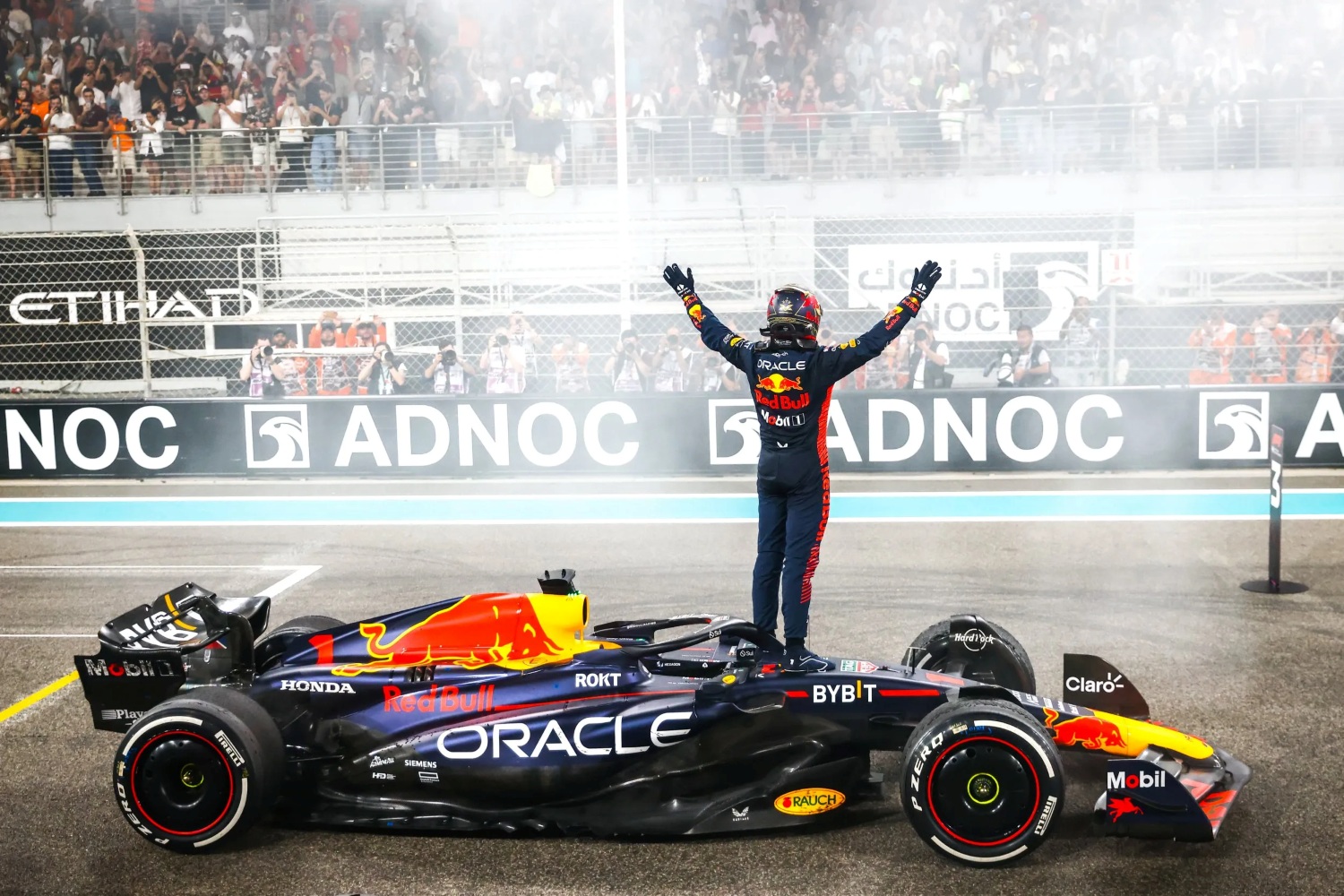
You can see it most clearly in sport. Series like Formula 1: Drive to Survive didn’t just perform well on Netflix. They changed how the underlying asset behaved. Formula 1 moved from a technical, broadcast-driven sport into something closer to an ongoing narrative system. Drivers became characters. Teams became storylines. The audience didn’t just watch races. They started following the people inside it.
That shift translated directly into economics. Attendance rose, younger audiences entered the sport, and the value of media rights increased. The documentary didn’t sit alongside the sport. It expanded the market for it.
That’s the part that the industry is now paying attention to.
Because what those projects offer isn’t just content. It’s leverage.
A well-constructed documentary doesn’t start from scratch. It begins with an existing audience, a known world, and a set of characters that already carry meaning. That compresses the distance between development and engagement. It also changes how projects are financed. When an audience already exists, even in fragmented form, the conversation moves away from speculation and toward behaviour.
You see it in rooms now. The question is no longer just whether a story works. It’s whether people are already leaning toward it.
That dynamic has been slower to take hold in Australia, but the conditions are the same. The local market is under pressure from rising costs and limited scale. The Producer Offset remains one of the strongest pieces of the system, but it still relies on projects finding a viable path to audience. Without that, the offset protects production, not outcomes.
Documentaries offer a different route. They allow producers to attach to existing cultural energy rather than trying to manufacture it from scratch.
There are early signals. The AFL’s internal media arm has effectively turned the league into a year-round storytelling engine. NRL players and clubs are building parallel audiences through short-form content that extends beyond match day. Even outside sport, music and true crime documentaries have consistently found audiences here because they tap into communities that already exist.
The opportunity is obvious, but it comes with a catch.
Not every subject translates. The wave of follow-on projects after Drive to Survive made that clear. Tennis, golf and basketball all attempted similar formats with mixed results. Access alone doesn’t carry a story. Personality does. Conflict does. Stakes do. Without those, the format flattens quickly.
That puts pressure back on filmmakers. The job isn’t to document. It’s to shape.
And that’s where the real shift sits.
Documentaries are no longer being used just to record legacy. They are being used to construct it in real time. They define how athletes, artists and public figures are understood while their careers are still in motion. That has implications well beyond storytelling. It affects sponsorship, brand positioning, and how audiences attach to individuals over time.
In practical terms, it also changes development strategy. A documentary can act as an entry point, a proof layer, or even a parallel revenue stream before a larger project is financed. It brings the audience forward in the process.
That matters in a market where timing is everything and capital is cautious.
The industry still talks about greenlights as if they sit inside commissioning rooms. Increasingly, they don’t. They sit closer to the audience, in the signals that show up before anyone writes a cheque.
Documentaries are simply better aligned to capture those signals early. And that’s why they’ve moved from the side door to the centre of the system.
Not because they’re easier to make but because they’re easier to believe in.
Lewis Khan is a producer based in Sydney
