



by Finnlay Dall
Worth: $18.00
FilmInk rates movies out of $20 — the score indicates the amount we believe a ticket to the movie to be worth
Cast:
Sam Dixon, Jim O’ Leary, Kate Dillon
Intro:
… walks a fine line between sophistry and philosophy …
René Descartes once imagined our world as an illusion, one formed by a maleficent demon. How can we tell what is real from unreal, if some devilish force inebriates our very senses? The demons in the manufactured world of A Grand Mockery come in all shapes and sizes: alcohol, annoying school children, boyfriends, girlfriends and irritating customers. All of them seek to disorient and corrupt the dead, who still find themselves living.
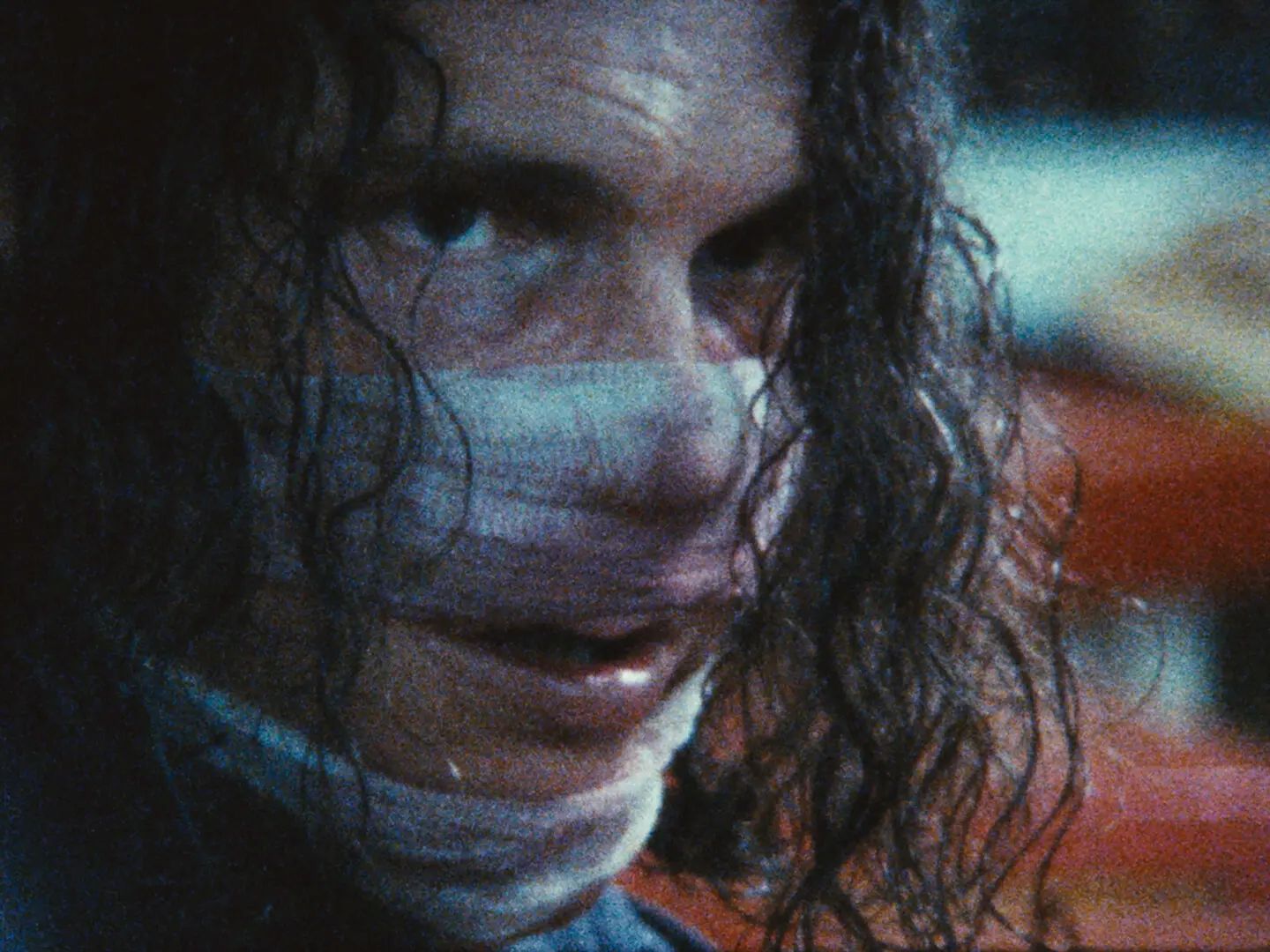
Co-directors Sam Dixon and Adam C. Briggs’ scrappy 8mm fever dream renders everyday life as limbo. While Sam’s Josie withers away in a dead-end cinema job, cares for his incoherent grandfather, and endures the chatter of endless house parties, the constant white-noise of his life seems unbearable. And as his sanity begins to slip from the residue of his bottled-up emotions, his world begins to crack. But whether it’s hell that begins to seep through, or his own paranoid delusions, is up for the audience to decide.
The film walks a fine line between sophistry and philosophy, as Josie is no doubt relatable to the 20-something creative. Having time to look after his ailing grandfather and sending out small gestures of love to his girlfriend Nelly (Kate Dillon), we’re reminded that the tortured artist is indeed human. But it’s Josie’s constant fight between his care for those around him and his need to be remembered as a “work of art” that leaves the audience rather conflicted. Is it pretension to have your protagonist wax poetic at a gravesite, or is it Dixon’s way of conveying a man already a foot in the grave, so secretly conceited that he’d rather talk with – and be immortalised by – the dead?
Dixon’s performance – for the most part – keeps Josie from becoming just another male artist – suffering from his own shortsightedness. It’s arguable that Dixon’s sane side is more compelling in the film, simply because it’s more soul and less Jack Nicholson. As a result, when the film begins to dip into The Shining inspired pandemonium of the second-half, he pulls off a far better Jack Torrence than the man himself.
But Nelly isn’t just Josie’s Wendy, Dillon is just as prone to insanity as her scene partner, her character haunted by the same unseen corruption. In a scene that evokes Henry Fuseli’s The Nightmare, Nelly, sweaty and pallid, tosses about in bed as some invisible demon begins crushing her chest, and as she throws up blood, the audience (and her) are forced to listen to the gurgling result before seeing it, unsure whether they are observing the maiden, the demon, or the nightmare itself.
Although her suffering is a refreshing change of pace from Josie’s self-pity, it is quickly brushed aside once the man’s madness needs to descend one level further. But what a glorious madness it is.
Desynced audio, flashes of alternate cuts (or realities), and unnerving glances at the camera unsettle the senses and frazzle nerve-endings. However, they find their origin elsewhere. In A Grand Mockery, The Shining’s blending of living and dead – of reality and farce – is easiest to recognise, but we can trace its film techniques back even further. Luis Buñuel’s early work had filmgoers throwing up into cinema bins long before horror films ever had any gory details to show. His handiwork floats up in the chunks of vomit Josie has to mop up from cinema 10 and drips uncomfortably from the tip of his boss’ penis as he situates himself all too close to underling’s head while Josie cleans the urinal. Thanks to Buñuel, Briggs and Dixon make a film that’s horrible to live in let alone watch unfold.
But as Josie’s tormentors begin to wear the skin of the people around him – and the gesture of pointing to their eyes turns from strange coincidence to a running motif – we’re once again reminded of Descartes:
“…I shall consider myself as not having hands or eyes, or flesh, or blood or senses, but as falsely believing that I have [seen] all these things [around me].”
And if the audience cannot trust what they see, can anybody really say they saw A Grand Mockery at all?
