


by FilmInk Staff
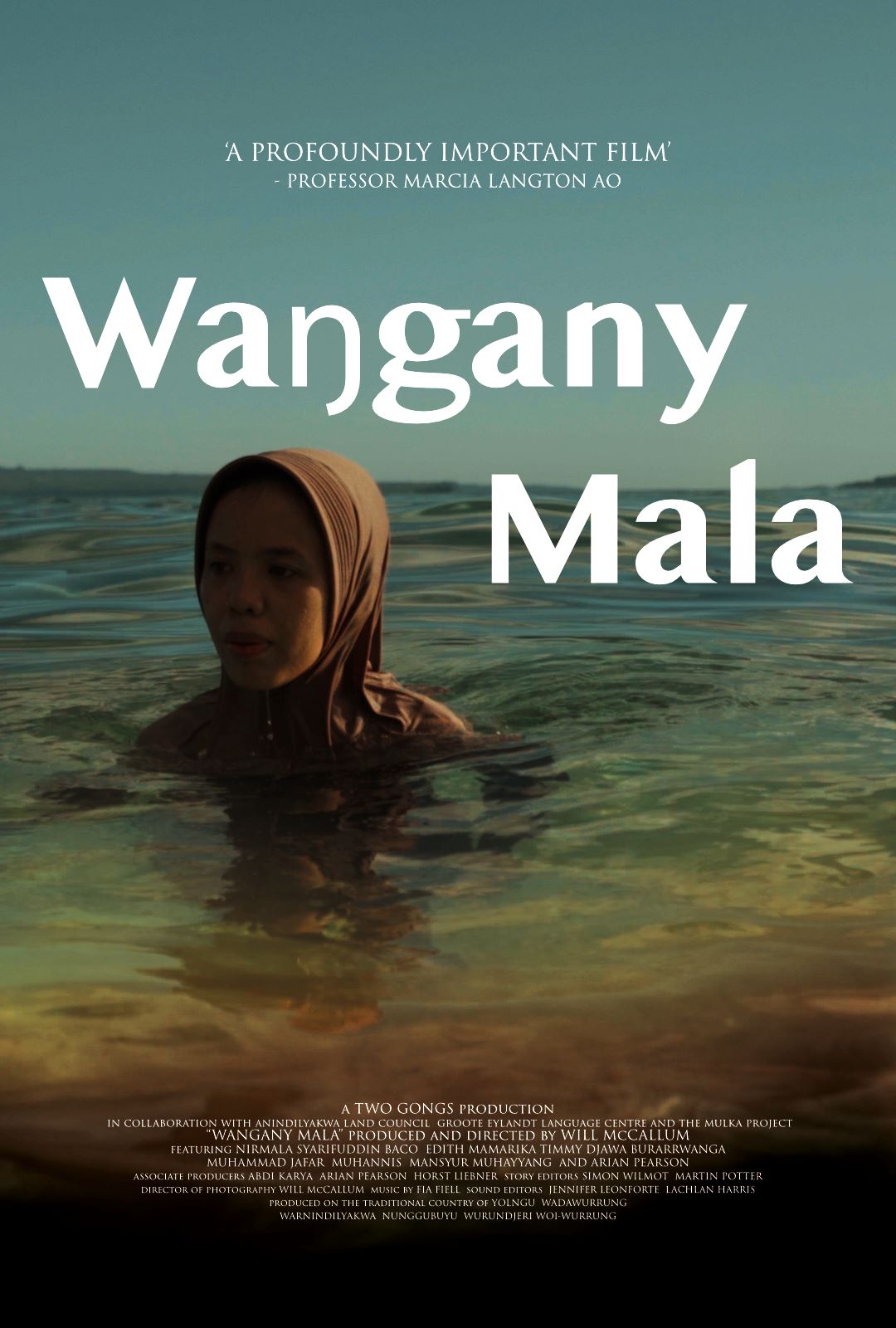
Waŋgany Mala (2024) is a feature-length documentary film that presents a profound story of connection between Indonesian seafarers and Australian First Nations.
On Wednesday 23 October, the film will have its Northern Territory premiere at Darwin’s Deckchair Cinema.
More than five years in the making, the film was produced in close collaboration with First Nations Knowledge Holders in Arnhem Land and Groote Eylandt in the north of Australia. Filming also took place across South and Southeast Sulawesi, Indonesia – with characters speaking Yolŋu, Amamalya Ayakwa (Anindilyakwa, Groote Eylandt), Bahasa Indonesia, and Coastal Konjo (South Sulawesi) languages.
Hundreds of years before European colonies were established on the Australian continent, Indigenous Australians were part of a trading network that extended to China’s Qing Dynasty. Indonesian ‘Makassan’ fishing fleets harvested sea cucumber for six months of every year with the local First Nations of northern Australia.
Edith Mamarika, an Anindilyakwa elder from Groote Eylandt recalls in the film – “Makassans were good to us… it was a good time because the Aboriginal people weren’t angry.” By 1907 the trade was ended by colonial authorities. This is a connection well known and well told in Makassar, Arnhem Land and Groote Eylandt – but far less recognised across the rest of Australia and Indonesia.
The story follows Nirmala Syarifuddin Baco – ‘Mala’ – a young Muslim woman who is part of a team of boat builders making a traditional Makassan sailing ship, or pinisi prau – the same boat that made the journey to Australia over 500 years ago. Through Mala we begin to understand her region’s ongoing connections to Maregé – the Makassan term for Australia. The film culminates with a discovery that Mala’s journey has a miraculous connection to the local stories of Australia. Timmy Djawa Burarrwanga, a Yolŋgu elder observes in the film – “My feeling is that this land always will be for Indonesians.”
This is a powerful film celebrating a unique angle on Australia-Indonesian engagement – both past and potential. One of the foremost First Nations leaders in Australia, Professor Marcia Langton AO, described Waŋgany Mala as ‘a profoundly important film.’
Waŋgany Mala – which translates to ‘let’s be one clan’ in Yolŋu – has been produced and directed by Naarm/Melbourne filmmaker Will McCallum. Arnhem-based Yolŋu artist, cultural facilitator and filmmaker Arian Pearson is a producer, along with Abdi Karya, a Yogyakarta-based, Makassar-born artist who has exhibited and curated widely across Europe, the United States and Australia. The film was produced in collaboration with the Anindilyakwa Land Council, The Groote Eylandt Language Centre and The Mulka Project.
Set to a distinctive soundtrack by experimental Melbourne composer Fia Fiell, the film features rarely seen archival imagery, including sequences of boat destruction at sea by Australia’s Maritime Border Command.
Waŋgany Mala was part of the 2024 Garma Festival and has screened to sold out audiences at the Melbourne Documentary Film Festival. It will screen at Ubud Writers Festival on Saturday 26 October, and is currently seeking a streaming and broadcast partner.
