


by Anthony Frajman
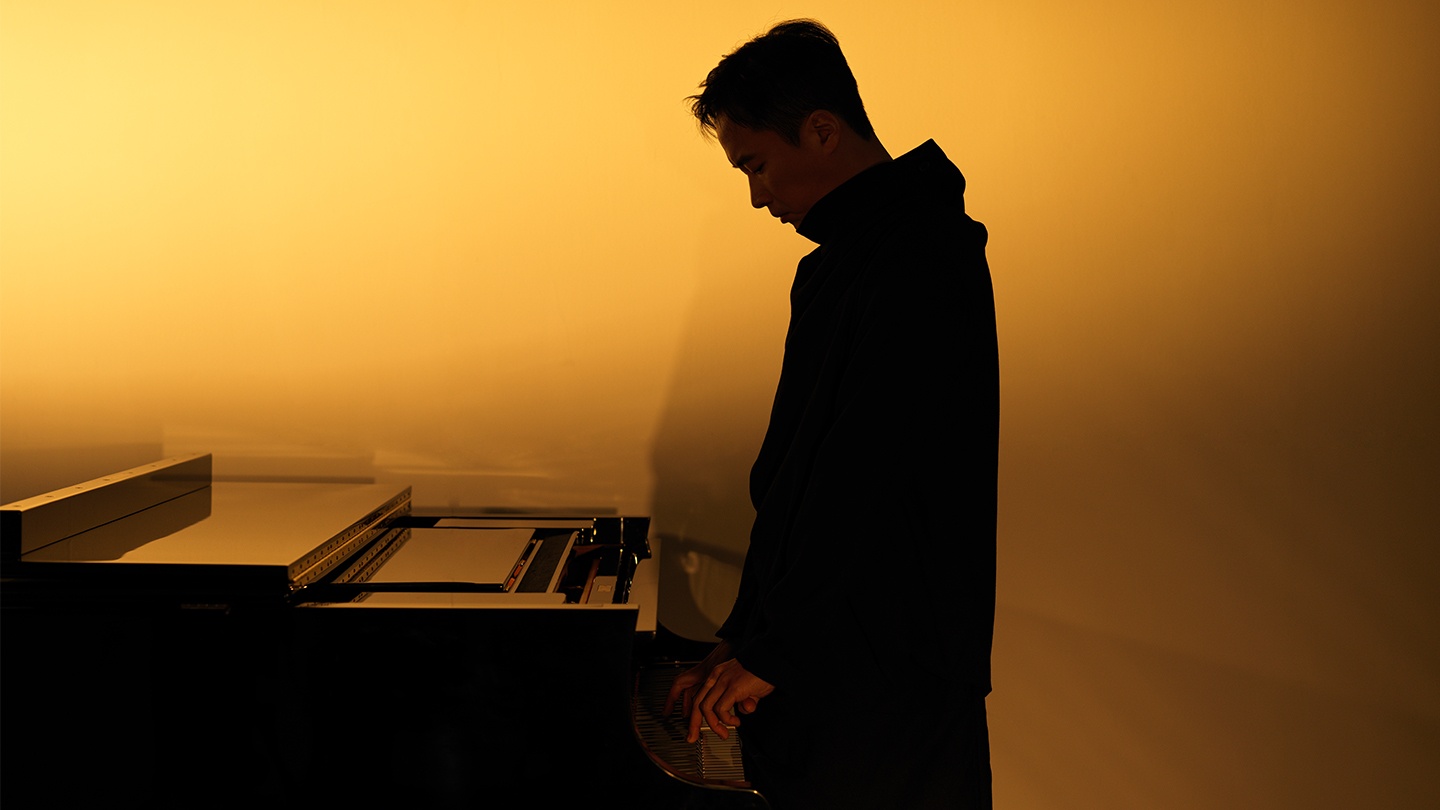
Parasite‘s maestro Jae-Il Jung discusses collaborating with Bong Joon-Ho and both of their approach to composing.
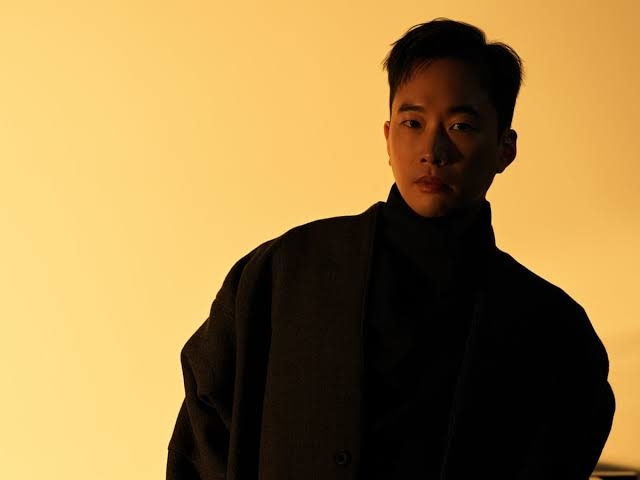
With a slew of credits to his name, Parasite’s Jae-Il Jung is quickly becoming one of the world’s most in-demand composers.
Not just the man behind Bong Joon-Ho’s Oscar winning feature, Jung has also scored Joon-Ho’s latest feature, the sci-fi Mickey 17 starring Robert Pattinson, James Sweeney’s 2025 feature Twinless, Hirokazu Kore-eda’s film Broker and the Netflix series Squid Game.
Ahead of his highly-anticipated live performances of the Parasite score at the Melbourne International Film Festival, Jung shared his thoughts on composing.
You have a longstanding collaborative partnership with Bong Joon-Ho. How did that come about?
“There was a film called The Sea Fog in 2014, and Mr Bong was an executive producer for that film, and I was a composer for that film, and that’s the first time I met him. And after that, in 2016, he called me and said that he’s making a film called Okja. So, that’s the first film that we worked on together.”
How would you describe your collaborative relationship with Bong?
“He’s really strict about music. He’s a huge fan of music, and he can play guitar and piano as well. He has his master plan about the score. That helps me quite a lot. Sometimes, it’s a little bit too strict, but it helps me a lot, and he encourages people. Mr. Hong Kyung-pyo, who is the director of Photography of Parasite, told me that Mr Bong really encourages people to reach their full potential.”
Can you talk a little bit about the process of working with Bong again on Parasite and how you approached the score?
“For Okja, Mr Bong basically told me: ‘just make music’. But for Parasite, he suggested a baroque style of music and very essential sound of the strings. I had to study and research about baroque era music because I’m a self-taught composer. Of course, I know Vivaldi, but I don’t know how to compose it. So, I had to study baroque music every day. And that was the first step of the scoring.”
Did you expect Parasite would become as big around the world as it did?
“Everybody, everybody felt that something big has been born. To tell you the truth, I just told him: ‘this film doesn’t need music. It’s already perfect.’”
On Mickey 17, how did your collaborative relationship with Bong evolve?
“Well, for Mickey 17, I was really free because he didn’t tell me anything, the only thing he said is that he really hates Hollywood style epic music. So, I decided to get a very intimate piano sound and very analogue style of music. And sometimes, a Balkan style because he really likes the director Emir Kusturica as well from the Balkan states. So, a little bit weird, bizarre, funny at the same time. The kind of music that was essential to Mickey 17.”
Twinless is another recent project you worked on. What was your experience of working on that feature?
“That was the first film that I worked with LA people, Hollywood people. It was very interesting. The script was already very interesting. And this director James Sweeney is a very talented guy. He acted, he wrote, he directed, and to see him performing was amazing.”
 As a composer, how do you approach each project? Is every project completely different?
“Well, almost same, I start from the script and then director’s vision, I call myself an interpreter of musical language. I have to interpret the director’s vision into musical language. So, script, director’s vision, and then the real cut. Those three elements are always the same.”
Being self-taught, what inspired you to become a composer?
“Music makes everybody happy. I wanted to make people happy and make myself happy. And music is everybody’s friend, film needs music, dance needs music, plays need music. Sometimes modern art needs music as well. That’s the most interesting part of being a composer, I think.”
You’re currently working more in international cinema. How does South Korea compare to Hollywood?
“Well, a huge difference is the existence of a music editor because, Korea has no music editor. I have to do all of the editing by myself alone, so that’s huge work. Huge amount of work. I’m making a series for Universal right now from LA and there’s a really great music editor called Steve, and he really helps me a lot in how to find the path and all the cues in and outs and alternatives. That’s the main difference from Hollywood and Seoul.
“The editing and the music editor mixing is, I’m sorry to say, but LA is a little bit higher level. When I get the edit, the cuts, it’s already done. But in Korea, a little bit messy when I get the first cut. So, because when the cut is very, very well done, I can compose very easily.”
You’ve now worked in several genres of film. Do you have a favourite genre?
“I can call myself a cinephile and I love all kinds of genres, but I just worked with this Japanese director called Hirokazu Kore-eda on Broker, and he’s very calm, and likes working without a score. I love that kind of film. I guess you’d call it a drama.”
Is there a genre that you would like to try that you have not had a chance to yet?
“I can say I have experienced all genres, but I love dance very much. So, I would love to make music for dance, but no one approaches me (laughs).”
Jae-Il Jung will perform his score to Parasite live over two performances on Saturday August 23 at the Arts Centre, Melbourne. Head here for tix.
Twinless is screening at the Queer Screen Film Fest on 28 August, tix here.
