



by Dov Kornits
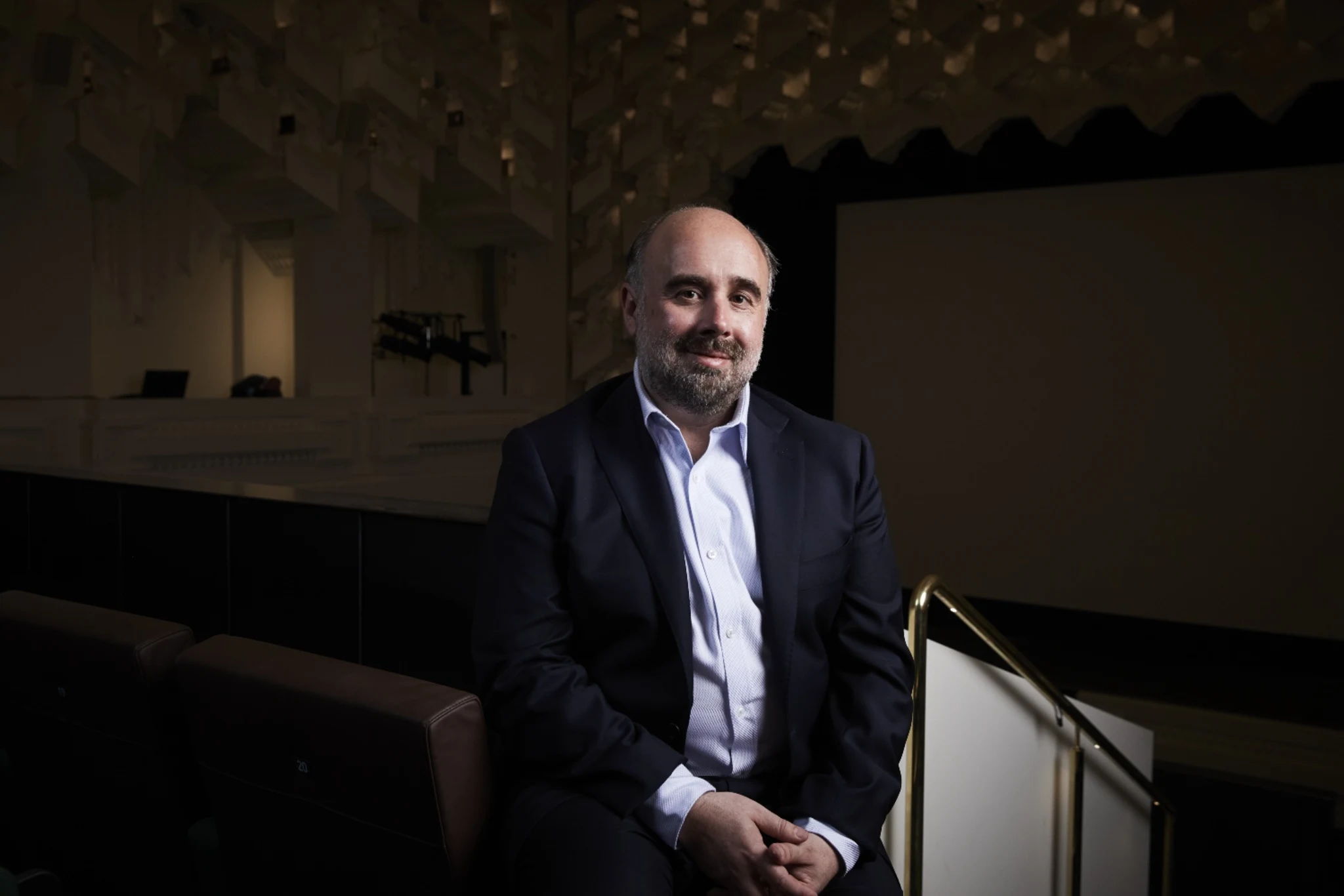
After volunteering at the festival for a couple of years, Al Cossar joined the staff at the Melbourne International Film Festival in 2011 as a programmer. Growing up in Auckland, Cossar was attracted to Melbourne by the city’s vibrant creative community and spaces for audiences. “When I first moved here, my friends and I ran pub screenings and little events here and there, community led or grassroots, emerging filmmaker events,” Cossar tells us today. “You can see the enthusiasm, the engagement of audiences. That’s a constant from the time I’ve been living here, initially, for me at a scale that was quite small and emerging at that point, but now, it is the same passion but at a huge scale.”
Screening more than 300 films, the 73rd edition of the Melbourne International Film Festival is egalitarian in terms of the programming, according to Cossar, although he does want to point out a couple of highlights.
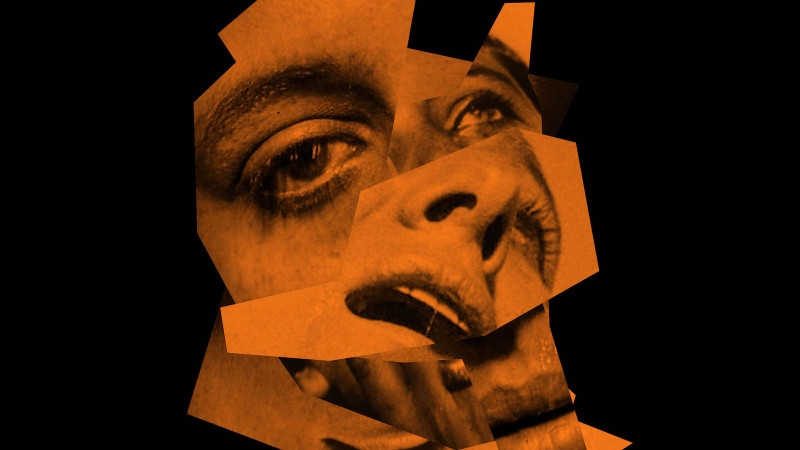
“There’s a couple of big live score performance events that have both been three years in the making,” he says. “Julia Holter: The Passion of Joan of Arc sees the LA singer songwriter composer (Never Rarely Sometimes Always), incredible musician will be here with her band with a live operatic chorus accompanying the Carl Dreyer classic at Melbourne Recital Center across two nights.
“And then we have a show that we’re doing with Orchestra Victoria, Parasite Live in Concert with composer Jung Jae-il, who has been everywhere for the last few years. He’s Bong Joon-ho’s go-to composer, and he has another film in the festival, Twinless, but he’s also the composer for Squid Game, etc. He’ll be here, performing on stage with Orchestra Victoria. This is something that’s only ever been done once before by the Hollywood Chamber Orchestra in the lead up to the 2019 Oscars when Parasite took out best picture.
“They’re very much only-at-MIFF moments, both Australian exclusive shows to be experienced at the festival.”

When asked about any recurring themes in this year’s MIFF programmed films, Cossar is effusive.
“You have films that are about the idea of infinity, which is a strange sort of observation to make, but I think you can see it clearly in a film like It Ends, which came out of South by Southwest. It’s effectively a horror genre film, which has a bit more on its mind in terms of bigger ideas. It’s about a group of friends who are in a car on a road, and they soon realise that this road will go to infinity and that there is something menacing that’s happening in the woods, outside of their car, but that this road goes on forever and ever, and they’re contained in this little thing.

“There’s also a film like Hallow Road, it takes place all inside a car, with Rosamund Pike’s daughter getting herself into a particular situation. They’re on the way to rescue her, and again, it takes place in this singular, claustrophobic, unending space, effectively a thriller set inside a car.
“And then you’ve got something like Exit 8, an adaptation of the 2023 cult video game. It’s about a man in a presumably Tokyo subway station, who exits a train after failing to intervene in an altercation, and then him and his girlfriend, who is pregnant must decide what to do in that situation. He walks through this subway tunnel, and it just goes into this endless loop. There are rules that are written on the side of the wall in terms of him following and navigating and hopefully getting out of this space. And that’s the whole premise of the film; he’s trapped in an endless series of unending corridors and there’s this horror lurking just beyond this liminal space. It’s quite interesting how literal it is in terms of adapting the mechanics and the idea and gameplay from a video game.
“I think it will be interesting in 20 years’ time, when you look back on them as COVID cinema, there’ll be an extrapolation of that.

“Beyond that, there are a lot of films that are really engaged with the body in different ways. There’s literally a whole strand called The Body is a Battlefield, which focuses on these. But also, If I Had Legs I’d Kick You (opening night film) has elements of this. Laura Wandel’s Adam’s Sake uses the body in particular ways, in terms of control, in terms of recovery, in terms of limitation, in terms of where the story is set and how it plays out in particular ways.”

Being in Sydney, we cannot help but ask in envy about MIFF’s focus of locations within Melbourne’s CBD, allowing film fans the opportunity to move between theatres efficiently, bumping into fellow cinephiles along the way.
“We typically use 9-10 cinemas and by and large, they’ll all be in the CBD grid,” says Cossar. “ACMI, Kino, Hoyts… You have this cumulative experience, where over the course of 18 days, everyone becomes more familiar. You see people walking in the opposite direction, in between cinemas, you build a familiarity because the spaces you’re using are adjacent to each other. That’s really wonderful in terms of physically taking over the Melbourne city for 18 days. You have that built-in comradery; it’s winter, it’s dark, it’s the perfect time to watch movies in cinemas.
“But there’s also a particular kind of comradery with queuing and dining alleyways on the way. It’s a small enough footprint that there’s a collectivity and a connectivity between coming and going and being able to see a lot in a day, which builds over the festival. Which is not to say that we’re so narrow focused that it is only about Melbourne. MIFF now goes to eight country Victoria centres across two weekend expansions, nine regional cinemas, and there’s also MIFF online, which is an Australian wide streaming platform, with a range of festival feature highlights, shorts, highlights that are available on it at the time of the festival and a little bit beyond as well. You have these rings of metropolitan audiences, regional activations, and then national audiences, which all work alongside each other.”
The 2025 Melbourne International Film Festival is on 7 – 24 August 2025
