



by Stephen Vagg
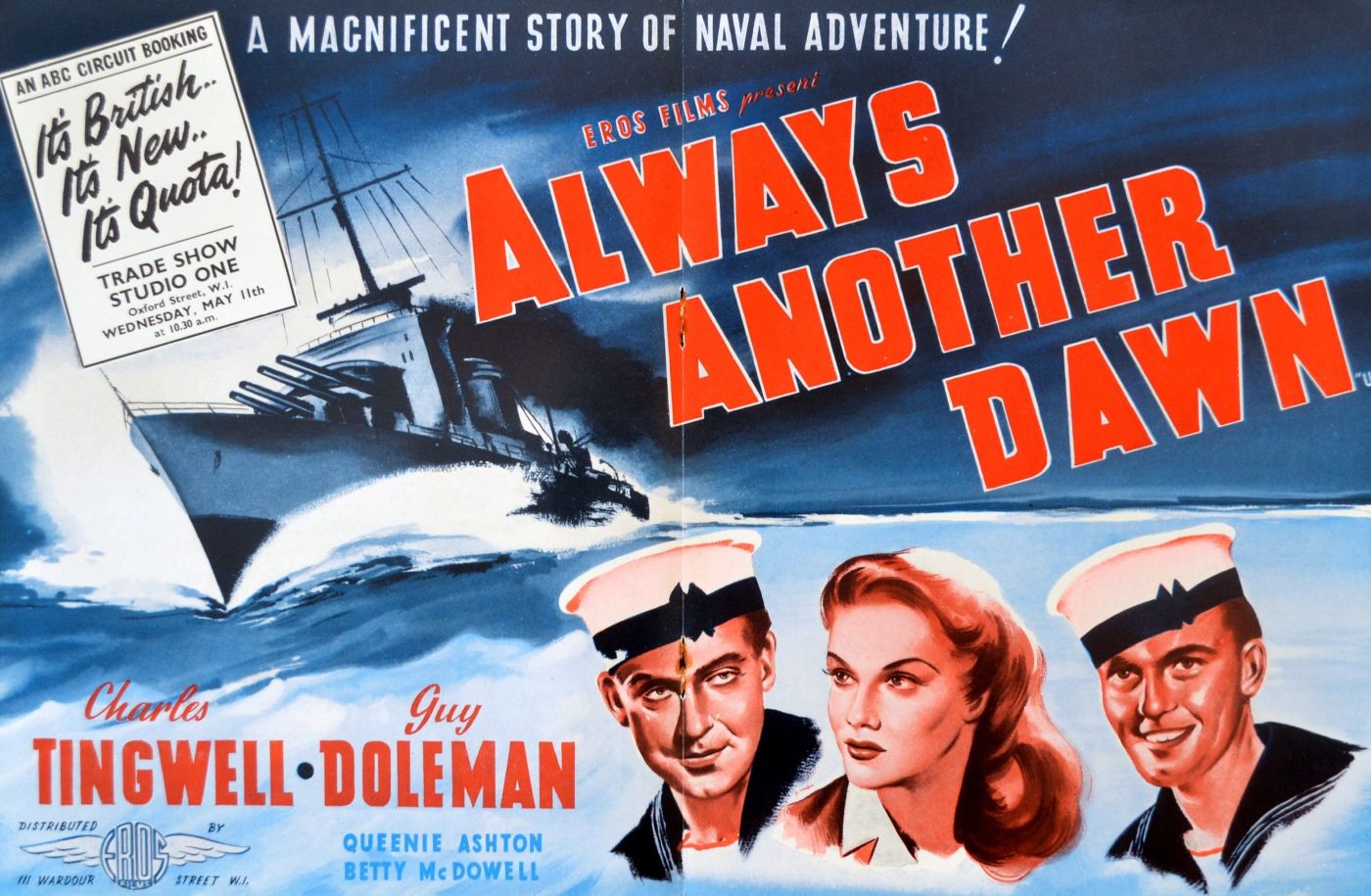
A 1948 war melodrama
Many people dream of making feature films, or at least used to; sometimes they pull it off even under difficult circumstances. Few environments were less hospitable to movie making than Australia in the 1940s yet the McCreadie brothers, Tom and Alec, managed to make three features, all of them decent.
The McCreadies had been working in the film trade since the 1920s, when they began exhibiting movies in Sydney. They started making short films on the side, then in 1946 took a Russian movie and dubbed it into English with some Australian actors, including Peter Finch, releasing it under the title Memory’s Harvest (the film wasn’t political; about a cab driver who becomes an opera star). This went well enough for them to raise money for their first feature, Always Another Dawn.
This movie was a little like A Son is Born – a drama with a war setting that enabled it to use documentary footage. It tells the story of Terry Sanders, son of a man killed in World War One, who enlists in the Royal Australian Navy, becomes friends with fellow sailor Warren, falls in love with a girl, Patricia, and is killed in action.
Unlike A Son is Born, there’s not much in the way of characterisation or story in Always Another Dawn. Terry is a nice young man with a nice mother who goes off to war, goes through a long training montage, makes a nice friend, falls in love with a nice girl, and dies. The movie was clearly inspired by the David Lean-Noel Coward naval opus In Which We Serve (1942), but far more stuff happens in that British picture. Always Another Dawn has about 30 minutes of plot, with the rest of the running time padded out with training montages, a boxing match, a piano recital, and scenes of officers giving orders and sailors communicating.
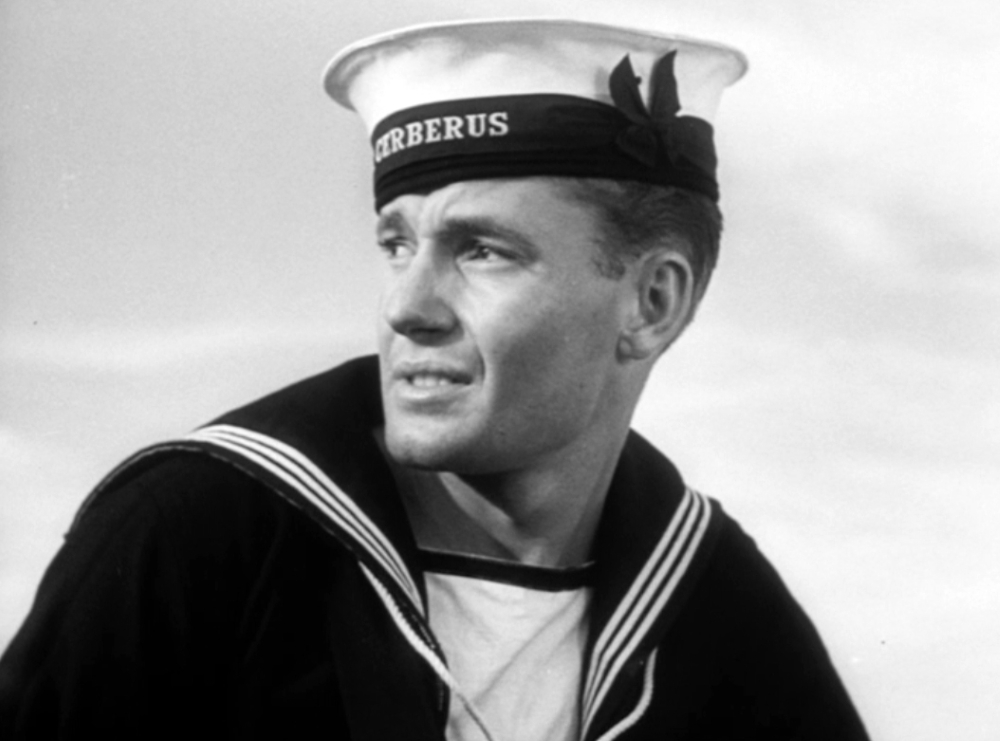
This isn’t to say that the film is without interest – far from it. First of all is the cast: Terry is played by Charles Tingwell who was relatively green at the time, but even at this stage was an ideal leading man – handsome, good voice and posture, all that stuff. If he’d gone to Britain straight after this film, we think he would’ve become a movie star but he hung on in Australia for another decade before emigrating (whereupon he still did well, just not as well as he might have had he left in the late ‘40s when the British movie industry was bigger; Tingwell also turned down the chance at Hollywood after appearing in The Desert Rats). His friend is played by Guy Doleman, his girlfriend by Betty McDowall and mum by Queenie Ashton. All went on to very long careers, a tribute to the casting ability of the McCreadies.
The second notable thing about Always Another Dawn is the dreamy mood of doomed fatalism that permeates the movie. Unlike In Which We Serve, which was about the importance of enduring the struggle, everyone in this film just nods and accepts that people will die. There’s no fire in the belly, no anger, conflict or sex. It’s like everyone has taken a pill and is drifting off to fate with flowery voiceover. It’s quite remarkable. The movie was written by Tom McCreadie and Zelma Roberts, a New Zealander whose husband was a sailor who died during the war – perhaps she was responsible for this tone, which is closer to French cinema of the period than Hollywood or British tropes.
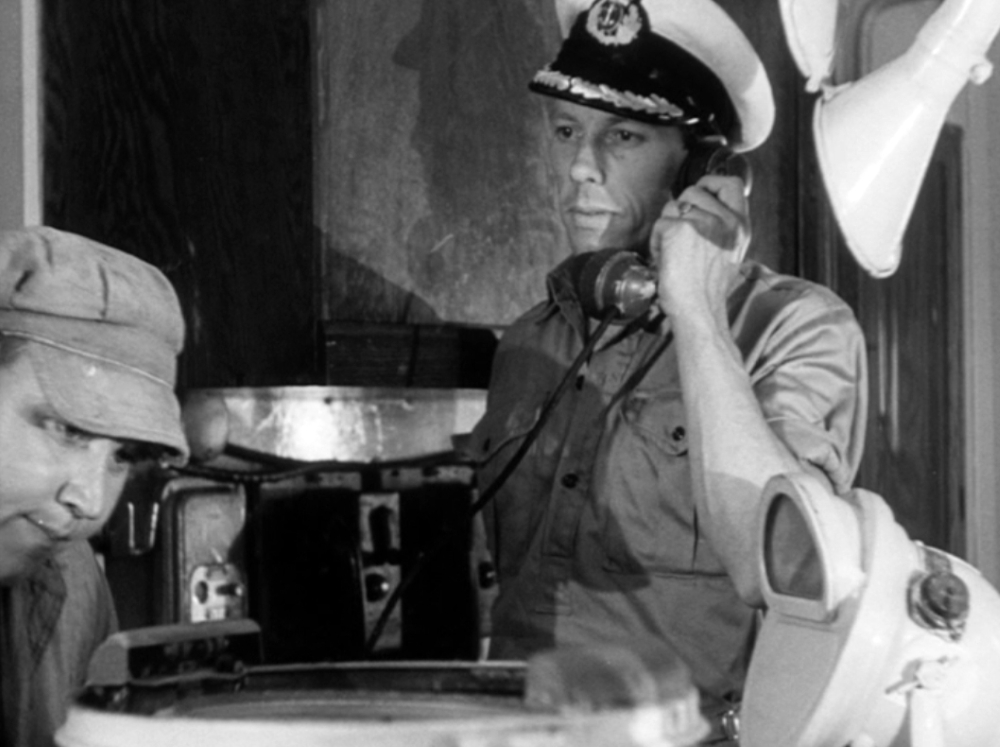
The third and final striking aspect of Always Another Dawn is it its extensive naval cooperation, which results in interesting documentary-style footage of training, going into battle, and so on. Anyone interested in the Royal Australian Navy from this period will get a huge amount out of it. The final battle scenes – reportedly inspired by the saga of the HMAS Yarra – are well done. The movie has plenty of sincerity. It just needed more story, really.
Always Another Dawn was not a big hit at the box office, but had a bit of a cinema run in Australia, and also in Britain, where it was released as a supporting feature. Response was sufficient for the McCreadie brothers to make two more feature films, Into the Straight (1949) and The Kangaroo Kid (1950). Alec McCreadie declared, “My brother and I have the utmost faith in the industry in Australia, and we intend to develop it through continuity of production. That is the only way by which the industry can progress.”
They didn’t get there, but three features more than most Australians get to make.
You can watch the whole film here:
Random fact: around the time Always Another Dawn was made, a former Australian naval officer, J. E. Macdonnell, was beginning his writing career – he became a popular author of naval-themed novels, kind of like an Australian C.S. Forster. Some of his books were adapted for radio but never filmed. He has nothing to do with the film, to our knowledge; we thought that he was worth a mention because he’s forgotten now, like Always Another Dawn.
The author would like to thank Graham Shirley for his assistance with this piece. Unless otherwise specified, all opinions are those of the author.
