



by Lewis Khan
For most of the modern film era, the standalone film was the default.
You made the project. You released it. You moved on. That model still exists. But the environment around it doesn’t.
A film no longer enters a defined marketplace. It lands in a feed. It competes with series, games, YouTube, TikTok and whatever Netflix just dropped globally that week.
In that environment, a one-off film isn’t just creatively limiting. It’s financially inefficient.
One marketing cycle. One release window. One shot at attention.
After that, you’re back to zero.
Streamers have pulled back from global buyouts. Pre-sales have softened. Marketing costs keep rising while attention fragments.
That’s the part that the industry still avoids saying out loud. Most independent films are structured as single bets in a market that now rewards repetition and return.
From an investor’s perspective, it’s straightforward. The risk is concentrated. The upside is compressed. If the film doesn’t connect quickly, there’s nothing to build on.
You see this tension play out in financing conversations all the time. Sales agents ask about comps, territory performance, repeatability. Distributors want to know how they position it, but also whether there’s anything beyond the first release.
If the answer is no, the deal gets harder. At the same time, the market is very clear about what it does reward.
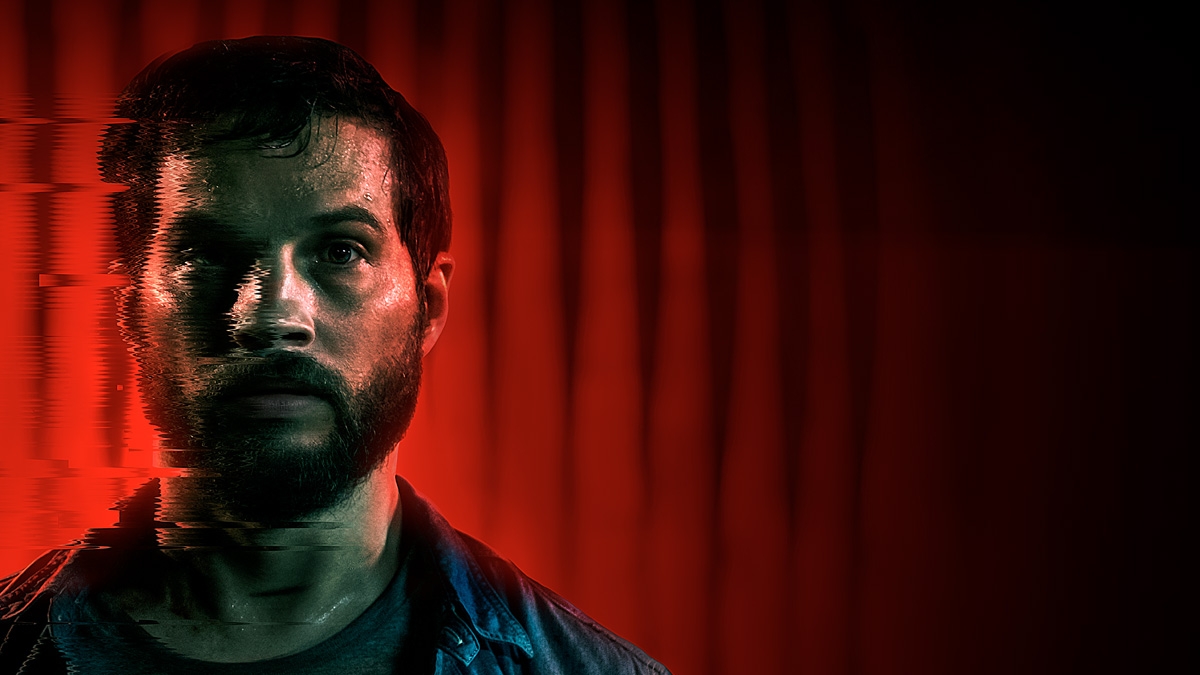
Horror continues to outperform because it brings audiences back. Not just for a single title, but for a tone, a mythology, a recognisable experience. You can see it in films like Wyrmwood, which built a sequel from a micro-budget foundation, or Upgrade, where a contained concept and character created clear expansion potential. The audience behaviour is repeatable. That’s what buyers respond to.
The same logic sits behind long-running franchises, streaming series, and creator-led IP. They are not built as one-off events. They are built to hold attention over time.
None of this is theoretical. It shows up in how projects are bought and sold. What’s lagging is how projects are still being developed.
Too many films are designed as closed loops. A script is written as a singular story. Financing is assembled around a single outcome. Marketing is treated as a campaign that lives and dies with release.
Even when the film works, the structure limits what can happen next. Because it was never designed to continue.
This is where the conversation often breaks down. As soon as continuity comes up, people hear “franchise” and assume scale, budget, Marvel.
That misses the point. This is about design, not scale.
A contained horror can introduce an antagonist or world that supports another story.
A thriller can build around a character with repeatable logic. Even a grounded drama can create a setting or thematic spine that invites continuation.
You don’t need $100 million to do that. You need intent during development.
The question is simple: does this idea have a life beyond its first release?
In the Australian market, where financing is tight and release windows are narrow, that question carries weight. If a film only has one moment to connect, you are asking a lot from a very small window of attention.
That’s where many projects struggle. Not because they’re poorly made, but because they have no structural way to extend their life once they’re out. Audiences move on quickly. The system gives them endless alternatives.
If there’s nowhere to return to, they don’t come back. Projects designed with continuation in mind behave differently. They create follow-on opportunities. They give distributors something to build on. They allow producers to retain momentum instead of restarting from scratch.
The risk doesn’t disappear. But it stretches. It has more than one chance to resolve.
The industry hasn’t fully adjusted to this yet. Development still focuses on getting a film made, not what sits around it or what comes after it.
That will change. Standalone films will always exist. Some should. Not every story needs to extend. But in the current market, they are more exposed than they used to be.
Because attention no longer gathers around single moments. It gathers around things that continue.
And if a film can only exist once, its upside is defined the moment it’s greenlit.
