



By Cain Noble-Davies
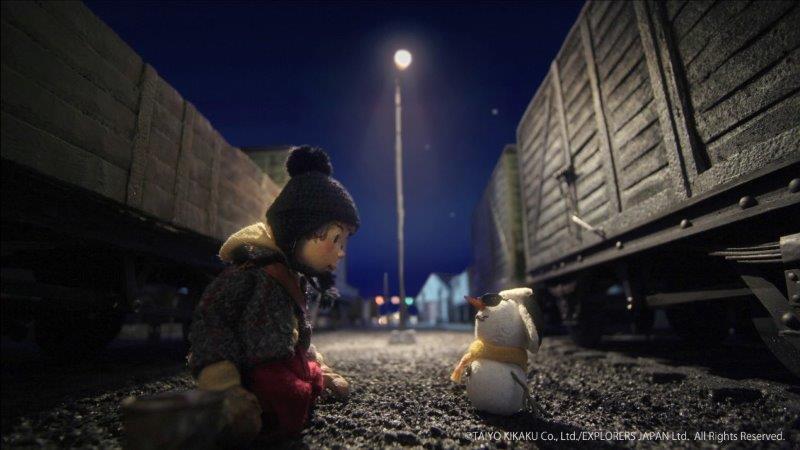
Norman The Snowman: The Northern Lights (2014)
After establishing his ‘importance of the journey’ narrative aesthetic with Firewood, Kanta & Grandpa, Takeshi Yashiro’s sophomore short lands him squarely in the realms of stop-motion legend. Through a synth-heavy soundtrack and some incredibly tactile production values – celebrating the inherent tangibility of stop-motion with sets and character you could feel from running your fingers across the screen – he crafts a yarn about a child much in-step with himself: taking parts of the mundane, tactile world to create something fantastical.
In capturing a certain Rankin/Bass-era innocence in its story of a child journeying to see the Northern Lights with his snowman friend, Takeshi delivers a touching and thematically poignant parable that could easily make it onto yearly holiday TV rotation.
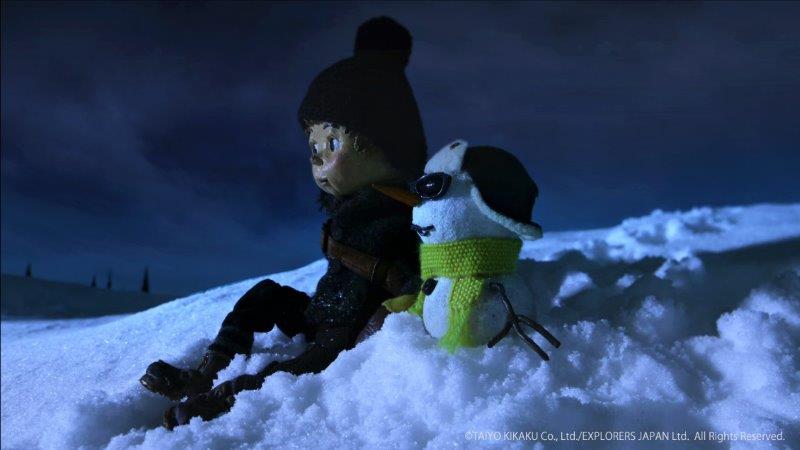
Norman The Snowman: On A Night Of Shooting Stars (2016)
Takeshi’s return to his world of a boy and his snowman finds him again toeing the line between the factuality of the world around us and the whimsy of how we interpret that world, particularly through the eyes of a child.
A cheekier, and yet discernibly more scientific, take on the thematic snowball effect of his earlier short, its initial threat of dryness, with a teacher explaining the mechanics behind shooting stars/meteor showers, remains an idle one. It accepts the reality of the tradition behind wishing on a shooting star, but it doesn’t try to play killjoy with it. In the words of an older-than-he-looks hot-air balloon rider, “That’s just a myth… but it’s true” – the enchantment of a child’s understanding filtered through the knowledge of an adult who held onto that perspective, that ability to see wonder in everything around them.
It’s this mentality that gave birth to the nature worship of Jan Švankmajer, and it’s a tradition that Takeshi continues proudly here.
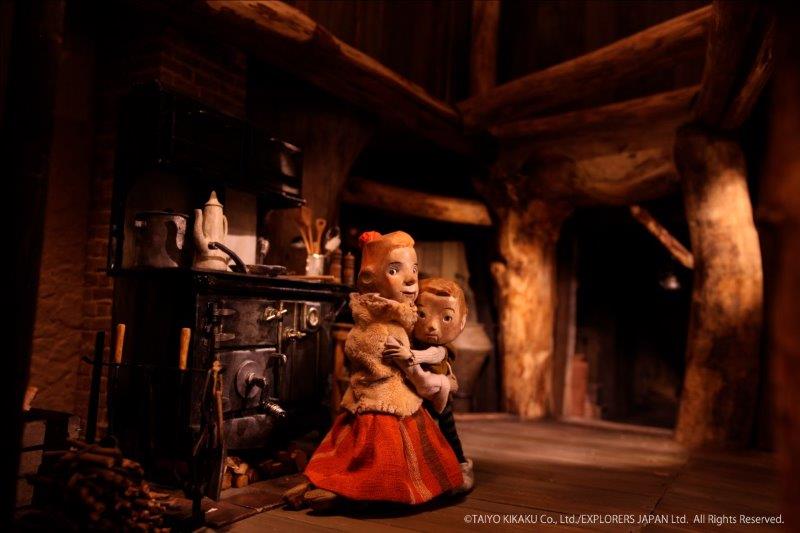
Moon Of A Sleepless Night (2017)
With a title that evokes light under surreal circumstances, Takeshi opens a clinic on the importance of lighting in animation. Through a combination of natural-looking light arrangements, Z-axis camera placement, and some pretty inventive architectural details in the set design, the way that both light and shadow reinforce the mythical atmosphere of the narrative, makes for engrossing eye candy.
It also adds to the story being told, that of a boy and a squirrel freeing the Moon from a tree, an event legend says to be responsible for lack of sleep during the night.
This dip into decidedly more folkloric territory shows Takeshi finding a happy medium between child and adult perspectives that he played around with in the Norman shorts, reminiscent of the midway point between fact and fantasy that Paul Jennings used for his take on Santa Claus.
Takeshi wields his uncanny eye for detail and mood to spin a yarn as much about metaphoric light and darkness as it is about the real thing.
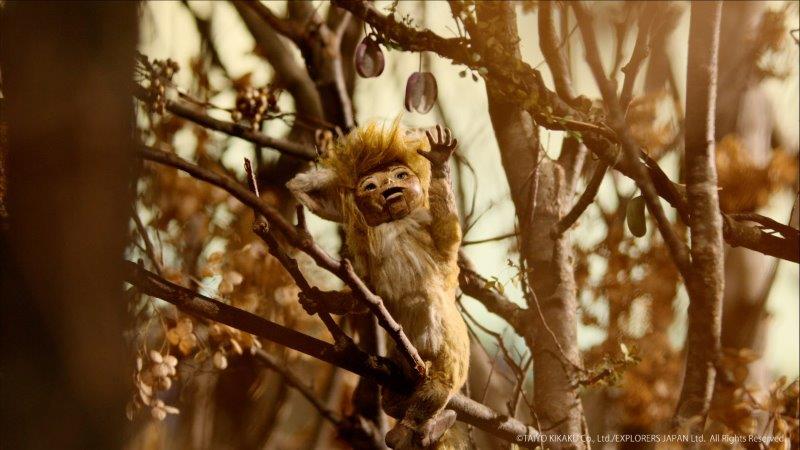
Gon, The Little Fox (2019)
An adaptation of the Niimi Nankichi children’s story of the same name, Takeshi’s latest is his most explicit statement about the relationship between man and nature. It’s also his most emphatically emotional, like a hand-polished stone fired directly at where the audience feels things.
A tale of two orphans, one human and one fox, struggling with the loss of a parent, it shows Takeshi in a confident place artistically, leaning away from spoken dialogue to depict frictions between humans and their environment, how much is taken from nature, and how much of that can be reciprocated.
It’s an ideal at the heart of the stop-motion aesthetic, as earthen materials have been part of its method of storytelling since the beginning, and it’s depicted with heart-rending strength in a showing that Takeshi’s skills as a filmmaker are only getting better with age.
