


by Dov Kornits
Silenced producer Blayke Hoffman fills us in on what it took to make the documentary adaptation of the book How Many More Women: How The Law Fails Women by Jennifer Robinson and Keio Yoshida.
“We received our first legal threat letter the day before the Sundance premiere, and then that process continued leading up until Sydney Film Festival,” says producer Blayke Hoffman about the film, Silenced, which opened the Sydney Film Festival back in June to a standing ovation. “These were legal letters threatening defamation action. We felt secure in the fact that we had been very rigorous with our legal process on the film, but we also had a subpoena that was issued by Bruce Lehrmann in relation to the criminal trial that’s happening towards the end of the year in Toowoomba, which isn’t covered in the film. He had requested that we hand over the film and all of the raw material, the rushes and all of our communications with Brittany Higgins. Our lawyers were successful in having that subpoena set aside, which means that we’re now going into the national release of the film legally unencumbered.”
Can you discuss the differences between the book and the documentary?
“The book is about the weaponization of the law to silence women, and really it came about off the back of the MeToo movement. It was this cultural moment where women felt emboldened and empowered to share their experiences of violence. And what Jennifer Robinson and her colleague, Dr. Keio Yoshida were saying in their work as human rights barristers was this legal backlash and use of defamation as a tool for silencing these stories, not just from the women that had experienced the violence, but also journalists.
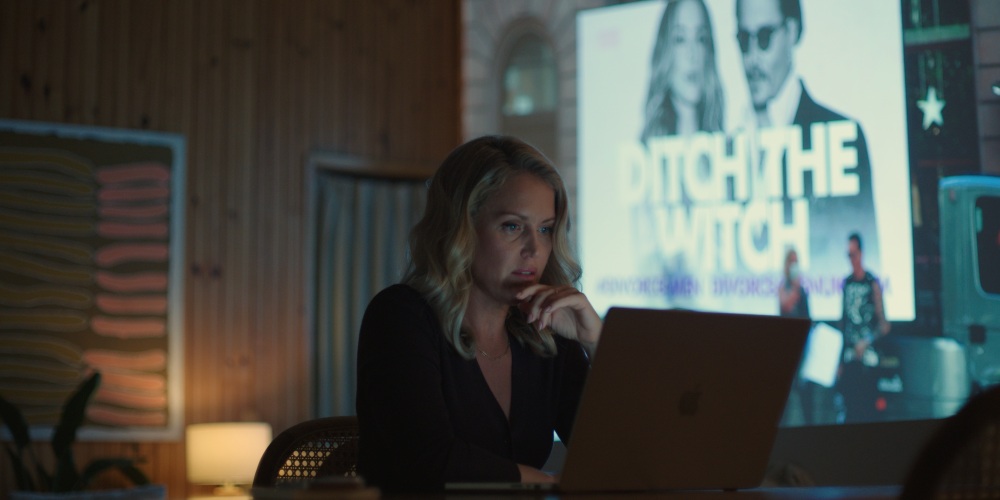
“I’d seen the cultural conversation around the Depp v. Heard trial and then the Bruce Lehrmann criminal trial in Australia, but it wasn’t until I read Jennifer and Keina’s book that it really joined the dots on the cultural and the legal aspect of this.
“And so the challenge then became, how do we make this into a film? How do we weave together these stories of these women in different countries, different experiences, but essentially saying the same thing, it’s the same pattern. How do we weave that together into making this a compelling film?
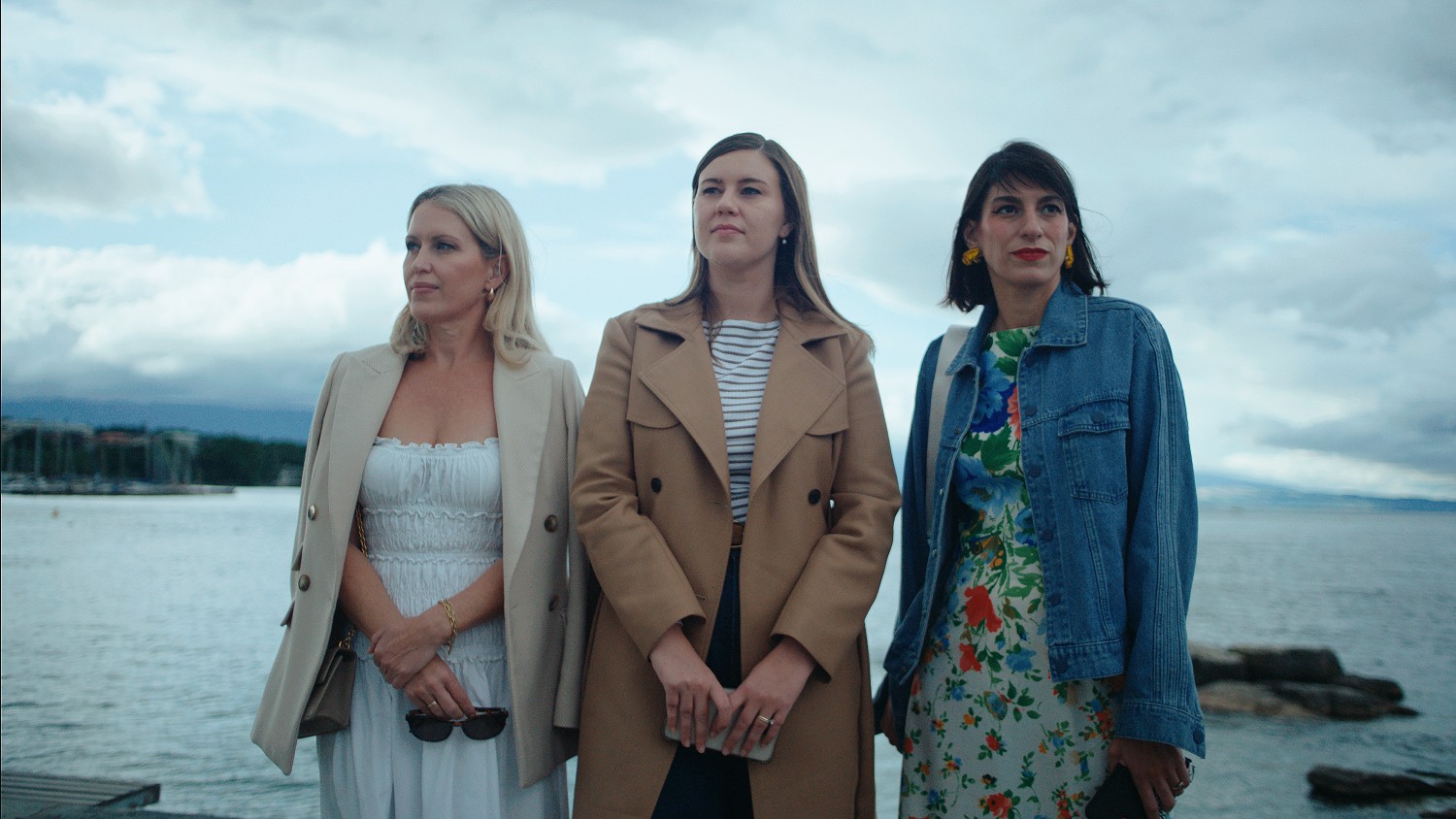
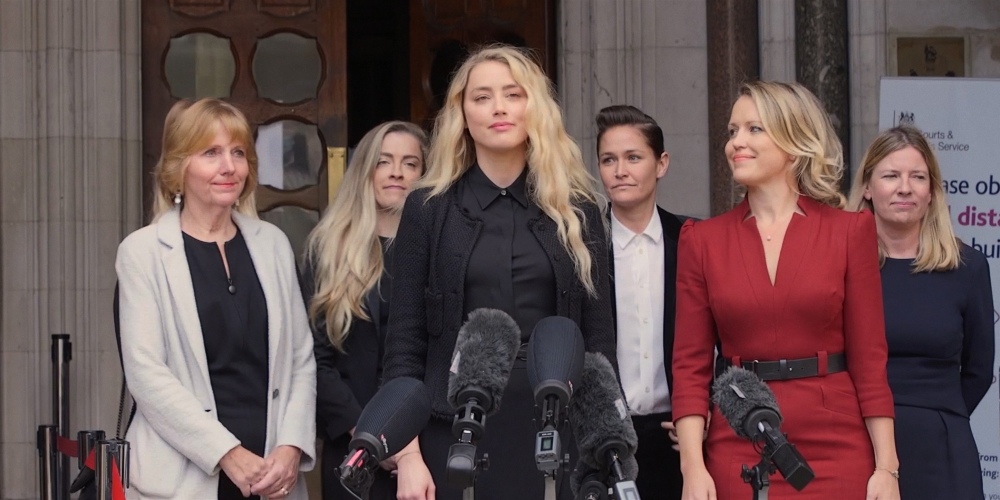
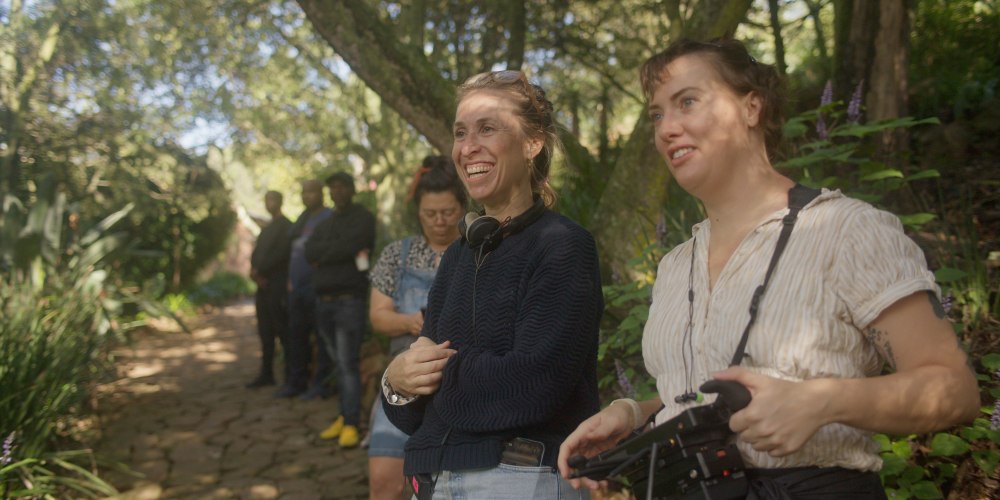
“Selina Miles, who’s the writer director of the film, she and I had worked together on a previous film, Harley and Katya, and so she came on board and we set about developing this for screen and really the focus was on the personal experience of the women at the center of this film, which is Jennifer is our protagonist and our guide through the film, but Brittany Higgins, Amber Heard, Catalina Ruiz-Navarro, and Nicola Stocker.”
Did you have to have a particularly strong hold of the legals more than other films you may have worked on?
“Yeah, definitely. We had legal counsel in each of the jurisdictions where we were covering a case, and so there was a lot of coordination between lawyers in different countries. But I think the thing that was really helpful to that process is that we started working with those lawyers very early on in development. I think we all got really well schooled in defamation. And so, by the time we got to the edit, we hadn’t really shot anything that we couldn’t use because we knew from the beginning and we were all very well prepared in what we could and couldn’t do with this film.
“Making sure that the women who were in the film were protected as well as the filmmakers was a number one priority from the beginning.
“We certainly had a healthy legal line in the budget, particularly when you’re working with lawyers in different jurisdictions. And then also, we have insurances on the film, and those insurances carry an excess with them as well or a premium. So often filmmakers will have to cover that premium, and it depends, that premium can be low or it can be higher on the riskier projects. So, there is always a risk in telling these stories for sure.
“Word of warning to other filmmakers is: preparation, preparation, preparation and work with the right defamation experts because it’s real. It’s very easy for people to hire a lawyer and send a legal threat notice.”
What do you think the film says post MeToo?
“What we’re seeing is that actually we haven’t really progressed and that is upsetting, but also motivating in continuing to talk about this issue. Gender violence affects one in three women globally, and we can’t even start to address the issue if we can’t talk about it. So this silencing that occurs within the legal system, we need to make it better. We need to make it safer for women to be able to speak because otherwise how do we deal with the problem?
How did you find someone like Jennifer? Were you a bit concerned having her be the protagonist because she’s such a powerhouse?
“I don’t think that Jen ever saw herself as the protagonist in the film, so that piece took some convincing. It was great working with Jen. She’s a human rights powerhouse and her ability, I think, to help audiences to understand quite complex legal issues in a very simple way is just undeniable. She’s got an incredible gift for communicating, and she’s incredible. She’s very down to earth and extremely funny. So, whilst we were dealing with heavy material, I think working with Jen is a delight because she is so down to earth and brings a sense of humour to things as well, which is important when you’re dealing with heavy material like this.”
Silenced is in cinemas 3 September 2026
Main image: Jennifer Robinson, Brittany Higgins and Catalina Ruiz-Navarro. photo by Michael Latham
