

by James Mottram
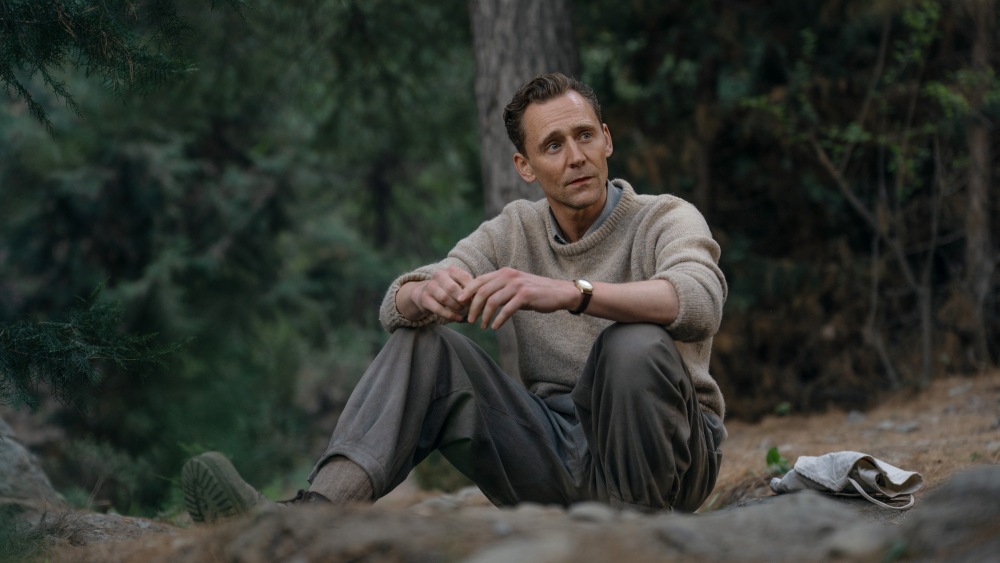
When actors Tom Hiddleston and Genden Phuntsok first met, fittingly it was at Tenzing-Hillary airport. This famed travel hub is named after two of the most famous men ever to trek through Nepal: Sir Edmund Hillary, the New Zealand-born mountaineer, and Tenzing Norgay, the Nepalese-Indian sherpa. In 1953, they were the first to ever ascend the summit of Mt. Everest, the highest peak in the world.
No wonder Hiddleston and Phuntsok were intimidated as they set out to play, respectively, Hillary and Norgay for the new biographical movie Tenzing. “Within ten minutes… Genden said to me, ‘I feel the pressure of playing this great man’ and I said, ‘Me too’,” recalls Hiddleston, when we chat over Zoom. “And from that moment, we were sharing the responsibility of presenting the lives of these two extraordinary men and having to live in their shoes and follow in their footsteps emotionally, spiritually, and physically.”
Released by Apple TV, Tenzing comes with a significant Antipodean pedigree. Produced by British-Australian company See-Saw Films, it’s scripted by writer Luke Davies (who gained an Oscar nomination for his screenplay for Lion) and directed by fellow Australian Jennifer Peedom, who has been working on Everest and in the Himalayas for the past two decades, making such acclaimed documentaries as Sherpa (2015) and Mountain (2017).
“It was really in the aftermath of making Sherpa that I felt the need to tell this story because it was really the ultimate Everest story,” she explains. In particular, she wanted to celebrate Norgay, and how he came to aid Hillary in their record-setting ascent of the mountain he calls Chomolungma, its traditional Tibetan name. “Two men climbed Everest in 1953, and one of them was knighted, and the other one’s name outside of places like India and Nepal was barely known,” she adds. “I was really keen to redress that and tell his story.”
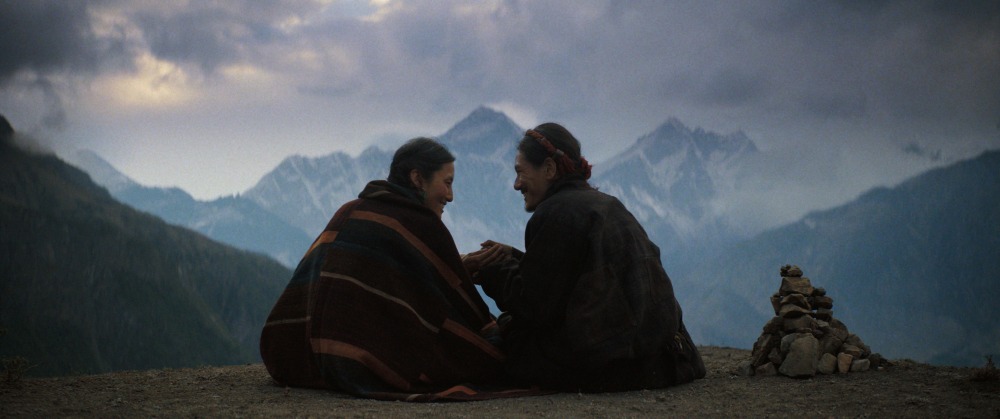
Certainly, it’s a chance for the “outsider” Norgay to get his due. “He was an illiterate man. He’d never been educated,” she continues. “As you see in the film, he suffers immeasurable losses and grief and family and all of those sacrifices he had to make; for me, that was the emotional journey… and [it] was about understanding how all of that part of the story had impacted him, but also how it affected his motivation and drive to ultimately climb this mountain and what it represented to him.”
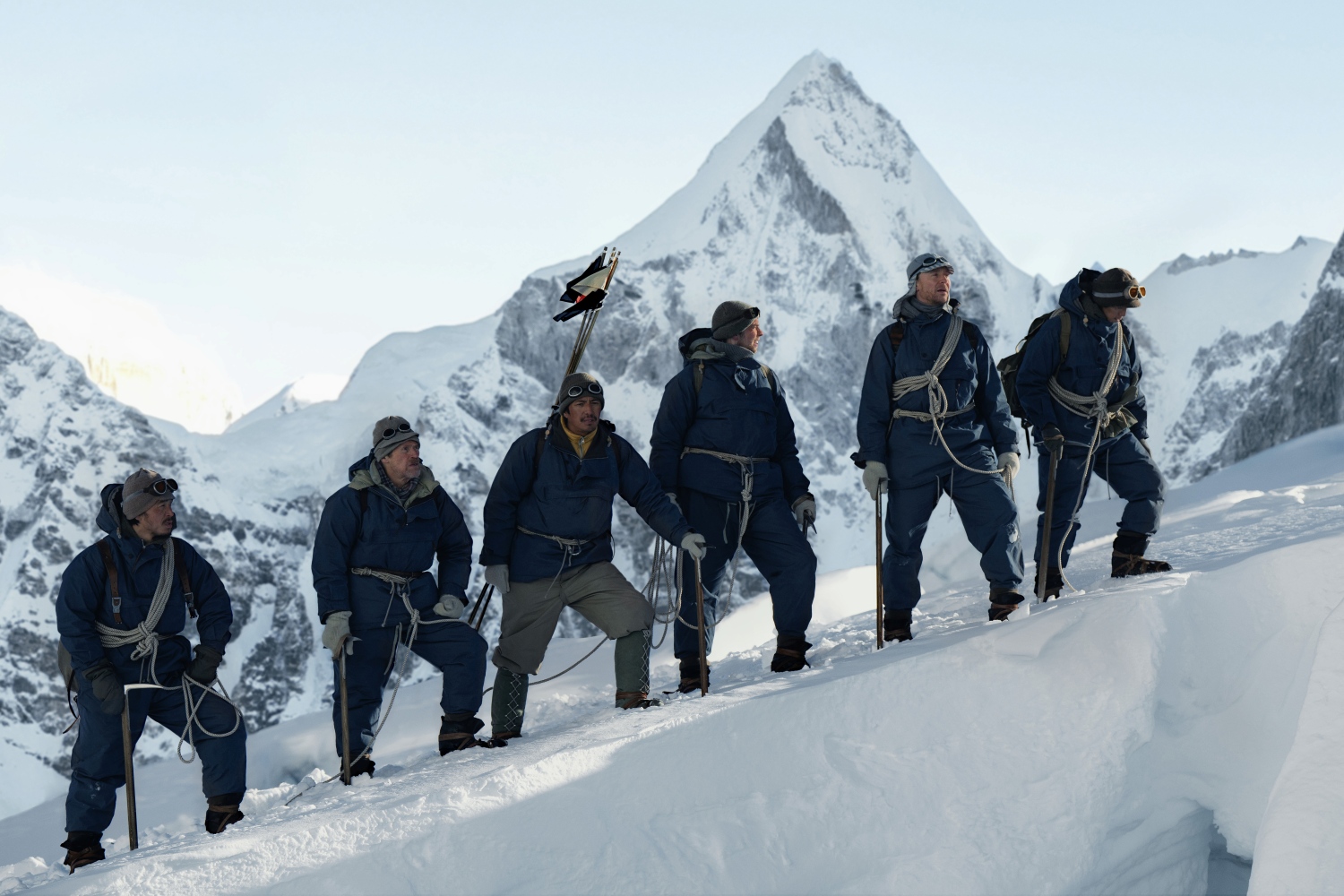
Although filming began in Nepal, much was shot in the Southern Alps on New Zealand’s South Island – specifically Aoraki / Mount Cook. “When you see Genden climbing out of a crevasse, he is in a crevasse on the Tasman Glacier,” says Hiddleston. “No studio, no soundstage, no green screen, all real, completely authentic.” No wonder the British actor best known for playing Loki in the Marvel Cinematic Universe calls this “the adventure of a lifetime”.
For Peedom, filming in real locations was a “dealbreaker”, she says. “It was critical to me… it was what I knew. Having been a camera operator on Everest expeditions – and having worked with some of the greatest climbing cinematographers in the world – I knew that it was possible. But also, creatively, it was important to give the audience a visceral experience of being in that landscape. I wanted to shoot real climbing on real ridges, on real summits, hanging down real crevasses, and that was challenging.”
With Stefan Duscio (Shantaram, The Invisible Man, The Dry) on board as the film’s cinematographer, Peedom gathered a wealth of experience around her. “There were 61 ascents within the cast and crew in the New Zealand shoot… 61 ascents of Everest. The safety team was immense. The sherpa team we had brought out from Nepal, they’ve all climbed Everest multiple times. And we had climbing camera operators that had all summited Everest. So, we had people that made it possible, and the producers were able to trust in that. The actors were able to trust in that.”
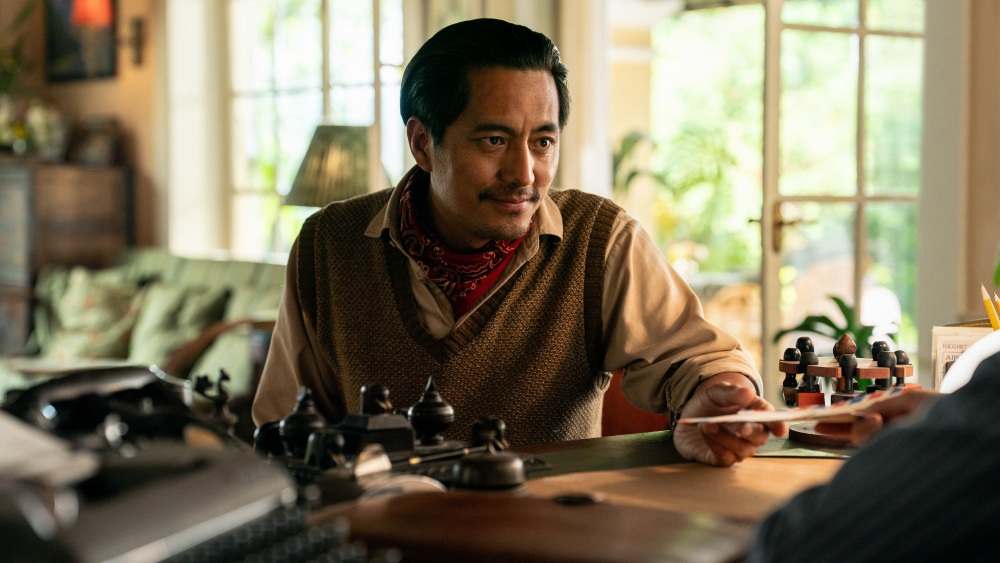
It meant that Peedom was able to put her actors in precarious situations – not least when Hillary falls into a crevasse and Norgay rescues him. “It’s Tom hanging on the rope in the middle of the crevasse and I just try to pull [him] up,” recalls the Tibetan-born Phuntsok. “Of course, we have some safety rope, but I’m pulling up Tom and he’s hanging there. That is really hard. We came to the top of the crevasse, the edge, and we held each other, and that moment I really remember the sun shining. I saw all the snow… and I was feeling this: ‘Oh, we are really on the mountain’.”
Also joining the team is Willem Dafoe. The 71-year-old American star, who narrated Peedom’s docos Mountain and River (2021), stars as Col. John Hunt, the British Army officer and mountaineer who led the expedition. “He felt like the only way they could summit was with excellent discipline, a kind of military style of discipline, logistics, good planning,” says Dafoe. “The problem is, he’s probably more a military man than mountaineer, and nature throws him lots of curveballs. So, he adjusts. But the beauty of the story is… he adjusts and rises to the occasion.”
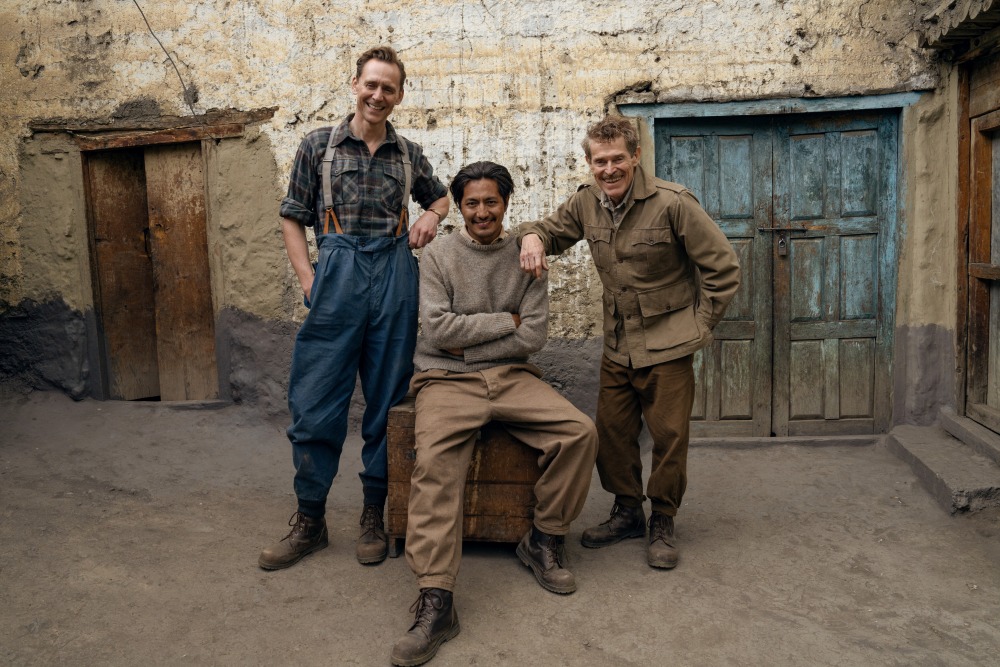
Those curveballs would often hit the shoot. “You can almost visually see when things are pregnant for an avalanche to happen, and that was interesting – to see the power of an avalanche from afar,” Dafoe notes. “Sometimes we’d be shooting one place, and you’d hear this terrible roar, and you’d look off, and a whole side of the mountain would just go tumbling… basically snow, but still very powerful. So, you see that, and you’re reminded we’re a film company. We have all kinds of protections that they didn’t have. It’s sobering.”
Such weather conditions made filming extraordinarily difficult, adds Peedom. “You could be pulled off the mountain at any minute. If the safety team said, ‘There’s weather coming, cut, get to the helipads, we’re going’, you had to cut, and you had to figure out how to finish the scene at some other time in some other way. And there were moments where I questioned whether it was worth it, but it was worth it. And being on this circuit now with the actors, it’s clear that for them it was a life experience. For all of us, it was a life experience. It was incredibly bonding.”
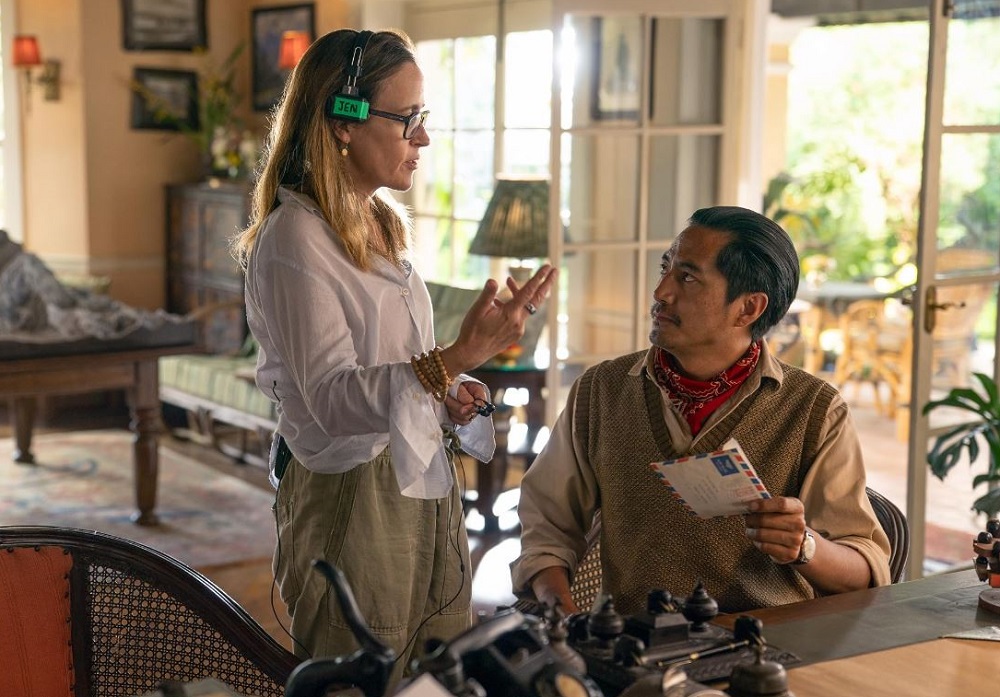
Hiddleston concurs. It wasn’t just he and the rest of the cast that felt like they were scaling Everest. “You commit at such a deep level, and everybody is experiencing the circumstances of the film. The crew are feeling the cold. The crew are feeling the hardship, and it banded us together as a team. But in a way, we felt like we were on the expedition. I think that has an almost impossible to describe alchemy in every department. The accidents that can happen through the course of a filming day… you start to capture them.”
Arriving on screens at the same time as mountaineering docs The Last First: Winter K2 and Everest: The Other Side, Tenzing shows exactly why people are repeatedly drawn to such heights. “Everest, for whatever reason, holds a very kind of almost romantic sense in our imaginations,” says Peedom. “And I guess people feel the need to keep trying to do crazier and crazier things to test our limits as human beings. That’s a very natural human urge in every society. There’s always been the people that want to push the boundaries and test the limits of what is possible. And Everest is the ultimate testing ground for human achievement.”
Liz Watts, Tenzing producer and Head of Film & TV (Australia) at See-Saw Films adds that “the unique talent of Jen is her innate storytelling abilities. She is such a vivid storyteller – and the story of Tenzing traverses the thrill of being literally on the mountain and in the landscape – but she also tells a story that has such emotional depth. It’s incredibly rewarding for the audience we are finding.”
Tenzing will release in select cinemas and on Apple TV from October 16.
