


by Isabel Drake
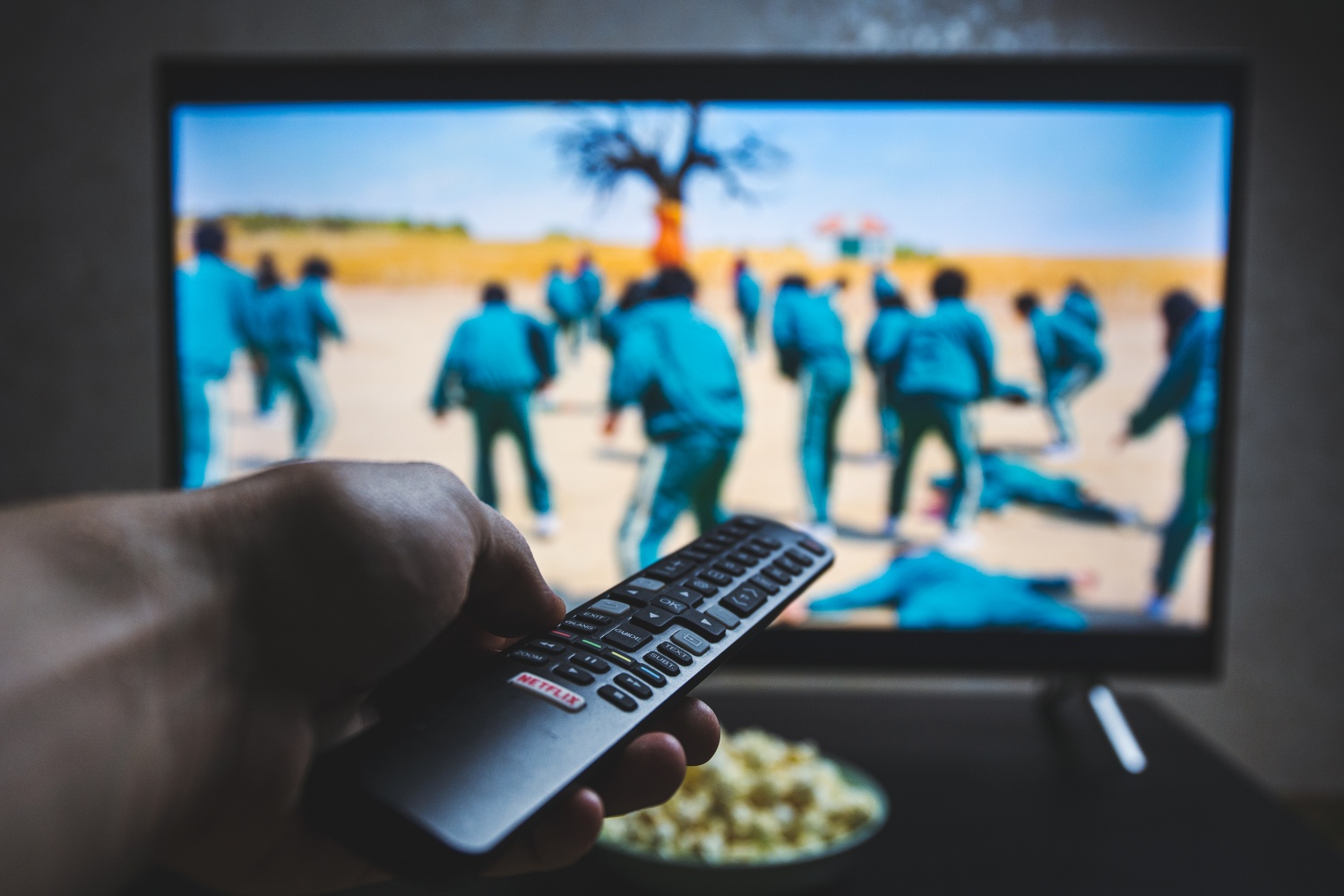
The digital revolution is reshaping the film experience in Australia. Increasingly, audiences rely on streaming services not only for on-demand viewing but also as the primary means to discover new and diverse cinematic content. This shift has influenced everything from film marketing strategies to production models, paving the way for a more personalised and accessible film culture.
Digital Disruption and Changing Viewing Habits
The evolution of streaming in Australia has been dramatic over the past decade. As technology matured and broadband became ubiquitous, digital services evolved from niche offerings into the foremost method of media consumption. Viewers can now explore a vast catalogue of films with the click of a button, eliminating the need to adhere to rigid broadcast schedules or depend solely on cinema listings.
Central to this transformation is the capacity of streaming services to deliver a uniquely tailored viewing experience. Advanced algorithms analyse individual viewing patterns, ensuring that each recommendation is diverse and aligned with a viewer’s personal interests. This data-driven approach has changed Australian film discovery, making the process of finding new films intuitive and efficient.
In fact, similar digital disruptions are observable across industries. The online entertainment sector has witnessed a rapid evolution of consumer interfaces through technology. Platforms covering top online casinos Australia highlight how digital innovation is reshaping customer engagement and expectations. While the subjects differ, both film streaming and digital entertainment pivot on a common premise: the transformative power of technology in redefining consumer experiences.
Algorithms, Social Media, and the Reinvention of Film Discovery
Streaming services today deploy sophisticated algorithms that do more than suggest the next film — they curate entire viewing journeys. By analysing patterns from viewer data, these systems ensure that even obscure, independent films find their rightful audience. This technological curation is pivotal in breaking the dominance of blockbusters, allowing filmmakers from diverse backgrounds to gain visibility.
Equally influential is the role of social media in film discovery. Platforms like Instagram and TikTok have become fertile grounds for film discussions. Short teasers, behind-the-scenes clips, and real-time reactions create a dynamic ecosystem where viewers share opinions and generate buzz. Such interactions amplify the reach of films that might have otherwise remained under the radar.
This new approach has also made the discovery process more communal. Rather than relying solely on professional critics, film enthusiasts now participate actively in shaping the discourse around new releases. The dialogue surrounding films has broadened, introducing a more democratic, trend-driven form of analysis and discussion.
Producer Strategies in Response to the Streaming Surge
Film producers and distributors have not remained passive in the face of these sweeping changes. As streaming in Australia becomes the dominant mode of film consumption, industry players are recalibrating their strategies. Enhanced marketing approaches, tailored content creation, and data-informed production investments are now standard practice.
Reports from Screen Australia highlight that investment in high-budget, visually striking projects has increased considerably. These films are designed to capture the attention of viewers accustomed to high-definition visuals and flawless streaming quality. With digital services offering a global stage, Australian filmmakers are also more frequently exploring stories with international appeal without compromising their distinctive cultural perspectives.
Another strategic adaptation is the simultaneous release of films in theatres and on streaming services. This dual-release model maximises audience reach while mitigating the risks associated with an exclusive cinematic run. By embracing digital launches alongside traditional releases, producers can secure revenue from multiple channels while fostering a wider audience base.
Industry Impacts and Broader Technological Trends
The digital transformation in the film industry has reverberations that extend well beyond cinema. According to research by the Australian Communications and Media Authority, streaming has surged to become Australia’s preferred mode of media consumption, with paid subscription services rising from 29% in 2017 to 68% by 2025. This shift underscores how pervasive digital services have become in shaping consumer habits.
Such statistics are emblematic of a broader trend where traditional consumption models are increasingly supplanted by digital alternatives. Not only does this reflect changes in viewer behaviour, but it also signals a fundamental shift in how content is valued and monetised. ACMA research continues to shed light on evolving media consumption dynamics, which are inextricably linked to the rise of streaming services.
Intersections of Tech and Industry: Lessons Beyond Film
The influence of technology on consumer behaviour extends far beyond the film industry. Across different sectors, the need to adopt a digital-first approach has prompted significant innovations. In online commerce, user interfaces that incorporate artificial intelligence and machine learning have transformed how consumers discover and purchase products.
This cross-industry convergence is particularly evident when comparing film streaming trends to shifts in other digital entertainment sectors. Both domains highlight the power of digital interfaces to redefine consumer engagement. As these sectors continue to evolve, there remains significant potential for further integration of personalised, data-rich experiences.
For those interested in how independent storytelling is thriving within this new digital environment, How Independent Films Are Shaping Modern Cinema Audiences offers a compelling look at how smaller productions are finding their footing in a streaming-dominated world.
Looking Ahead: A Future Defined by Digital Innovation
As the digital transformation of film continues to accelerate, the future promises even greater convergence of technology and creativity. New models of content distribution and consumption are emerging that blur the traditional boundaries of film and television. Interactive viewing experiences that integrate live events, social media feedback, and real-time analytics are already on the horizon.
Innovations in virtual and augmented reality offer yet another frontier for the Australian film industry. These technologies have the potential to create immersive cinematic experiences that transcend the conventional passive viewing model. As filmmakers explore these possibilities, audiences can expect to engage with stories in ways that are both interactive and visually captivating.
Industry experts predict that future trends will include deeper integration of social networking features within streaming services, more interactive viewing formats, and further personalisation through artificial intelligence. Such advancements will undoubtedly influence not only film consumption but also the broader structures of cultural production and engagement.
Image Source: Depositphotos
