



by Stephen Vagg
Two episodes of Australian Playhouse, the non-famous anthology series that ran from 1966 to 1967.
The Voice was written by Kenneth Hayles, an Englishman who lived for a number of years in Australia, and wrote for television in both countries. He was also a novelist and radio writer (as well as doing a variety of day jobs), and lost an arm in an accident in 1939, which meant he missed war service. He’s the only one armed Australian screenwriter we know of. He also wrote The Attack.
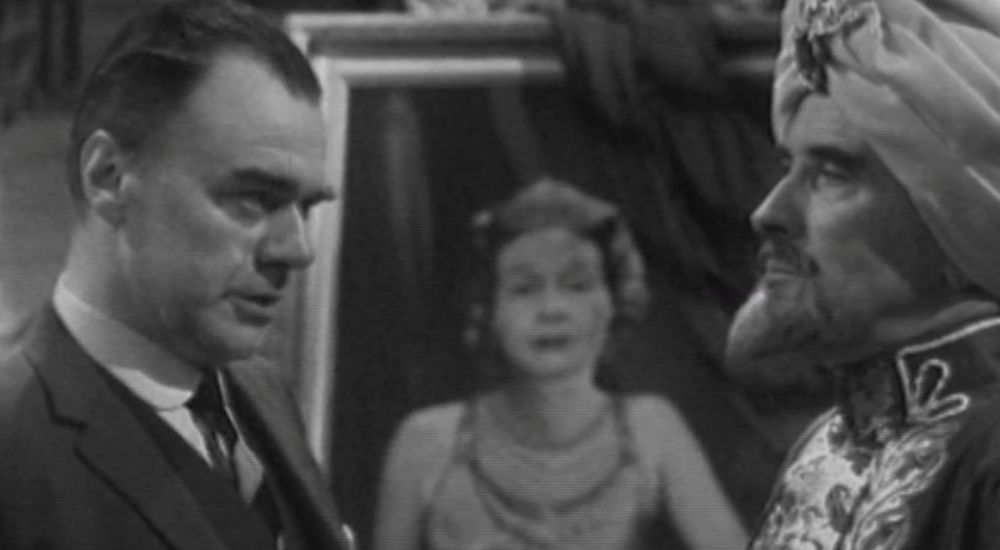
The Voice starred Ed (Skippy) Devereaux as a man tormented by a mysterious voice in a warehouse one night. The voice brings up an event from eight years ago when Devereaux was sleeping with the wife (Lyn James) of his boss (Ron Haddrick). The play is suspenseful and extremely well directed by Henri Safran, who showed himself as a dab hand at scary voice stories with The Tape Recorder. Deveraux’s performance is excellent. The more old Aussie TV we see, the greater appreciation we have for Safran’s skills – he was a very good director.
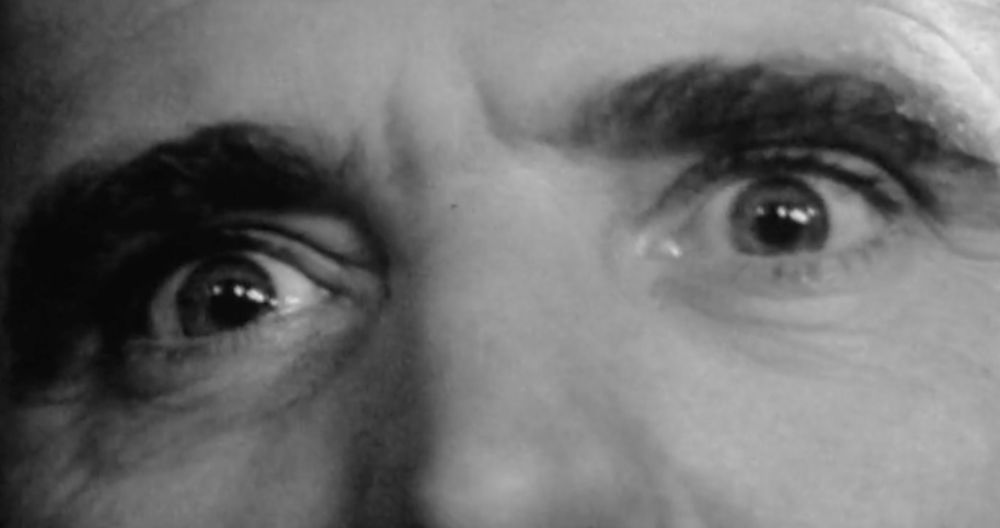
VIPP (short for “Very Important Political Personage”) was by Pat Flower, the most prolific author for Australian Playhouse. She wrote superb thrillers – including the aforementioned Tape Recorder – and unfunny comedies. VIPP is one of the latter, a sluggish satire of politics, with Raymond Westwell as a politician facing a series of crises. The cast includes interesting actors, including Sheila Florence and Campbell Copelin (who specialised in playing cads in 1930s Australian movies). Flower loves using word play in her comedies. As in her other lighter works such as Marleen, Easy Terms, Lace Counter and Tilley Landed on Our Shores, it probably played better on stage.
In his review of VIPP, “Monitor” of The Age complained about the use of cliches. But Flower uses cliches deliberately as part of her satirical point. This is very clear – advertising material for the show even pointed it out. If “Monitor” doesn’t like it, fine, but the critic has utterly failed to understand what Flower was trying to do and misrepresented the point of the piece in his/her review. This is negligent and “Monitor” should have been suspended. The Canberra Times critic got it. That’s a bit of a detour, but it’s never too late to take revenge against a critic!