



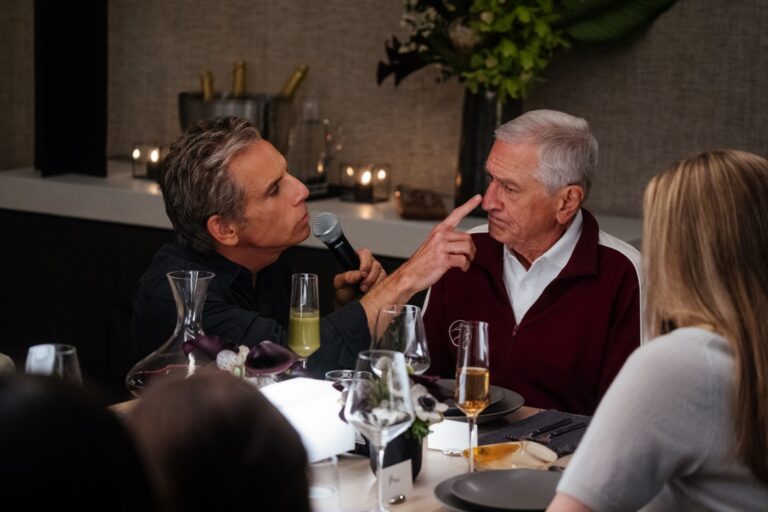
6.5
… could have gone better, but it also could have gone a hell of a lot worse.
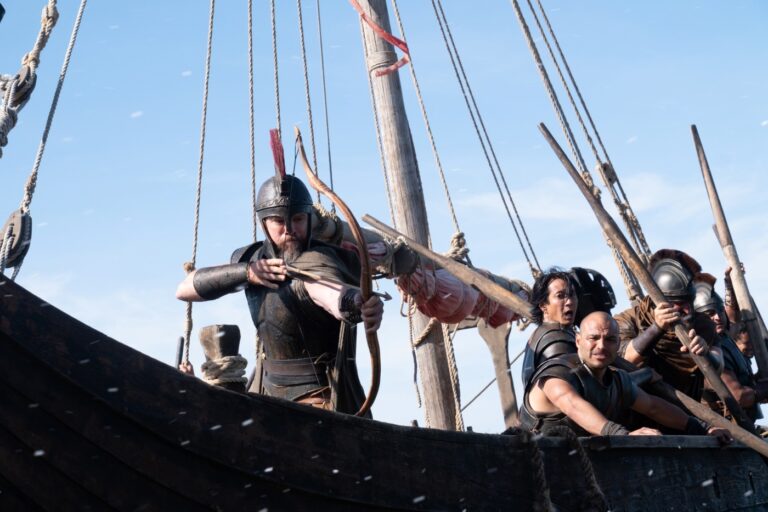
7.2
... not quite the genre-busting triumph you might have hoped for.
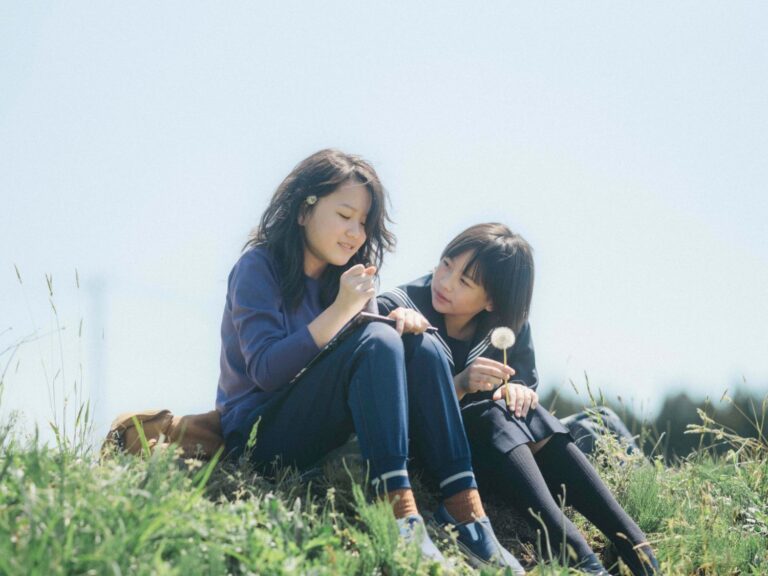
8.5
The leads are very engaging and the darker side of the story arc does pack a punch beneath its rose-tinted exterior.
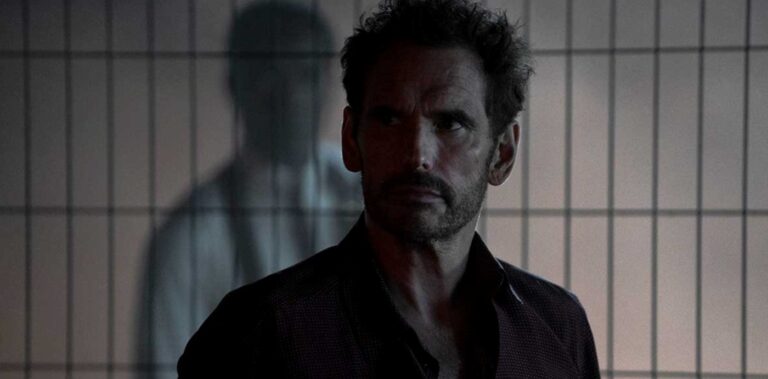
8
There is a particular quality to the filmmaking that makes it difficult to look away, even when the material does not entirely come together.
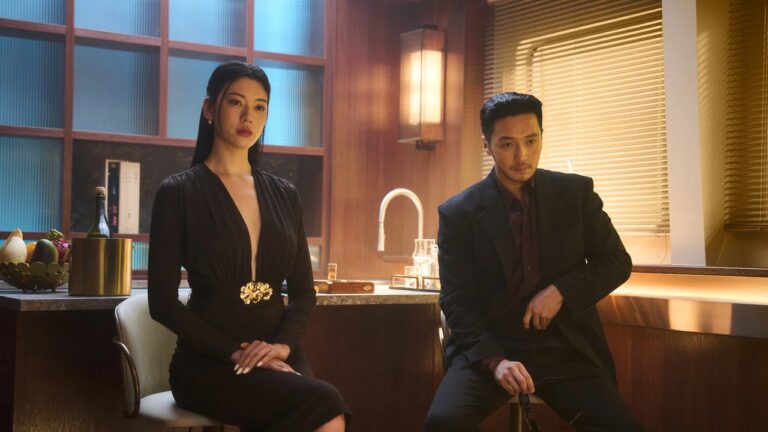
Twenty years ago, the first Tazza film lived in back rooms, hwatu mats and provincial gangsters, with the money counted in cash on the table. The fourth and, we're told,
7.5
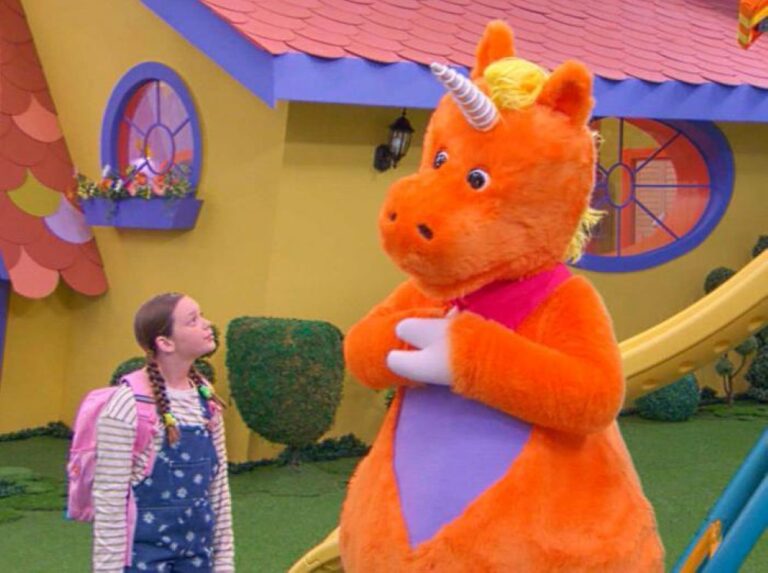
… a clever, original and funny little slice of surreal horror with enough offbeat scares and twisted concepts to keep appropriately demented (or medicated) audiences entranced throughout.
7.5
The film does not ask us to believe in visitors. It asks why we keep looking for them, what we are prepared to accept as evidence, and how much we
9.5
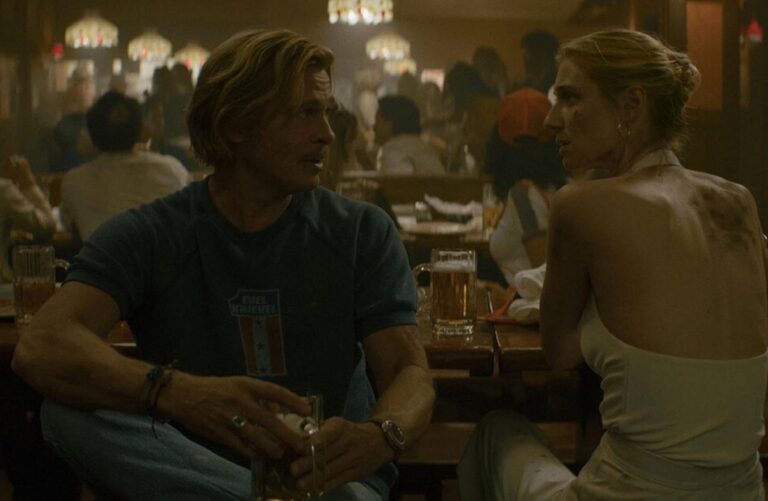
...a bold, sexy, finely detailed and occasionally shocking delight from glistening go to explosive, blood-sprayed whoa.
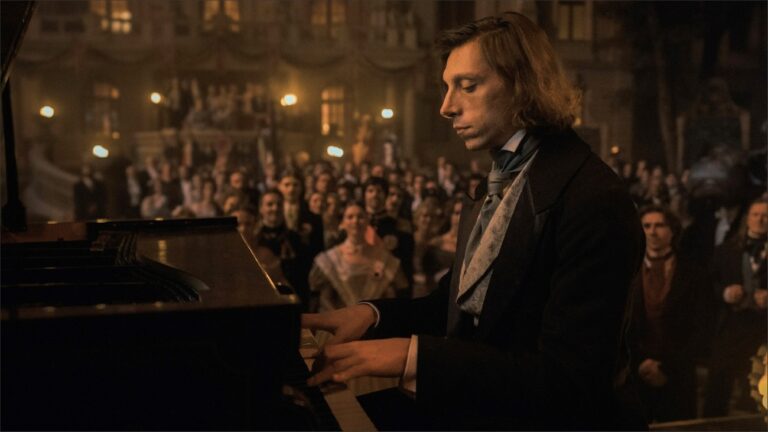
6
… the film’s greatest achievement is that it makes us curious about Chopin beyond the music we already know.
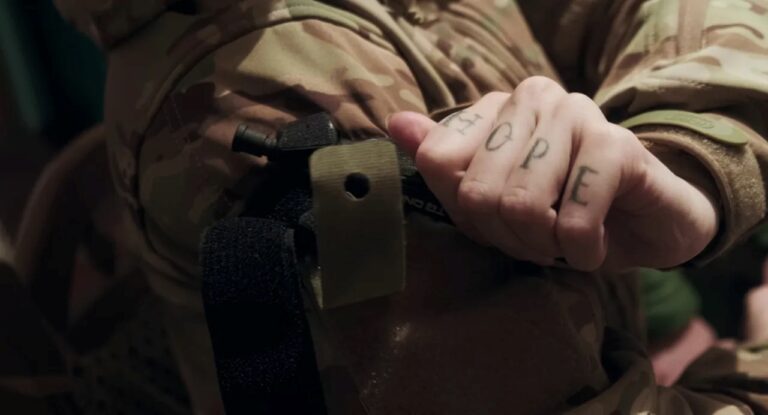
7.8
… both a personal record of wartime experience and a collective portrait of people who have made saving lives their responsibility.
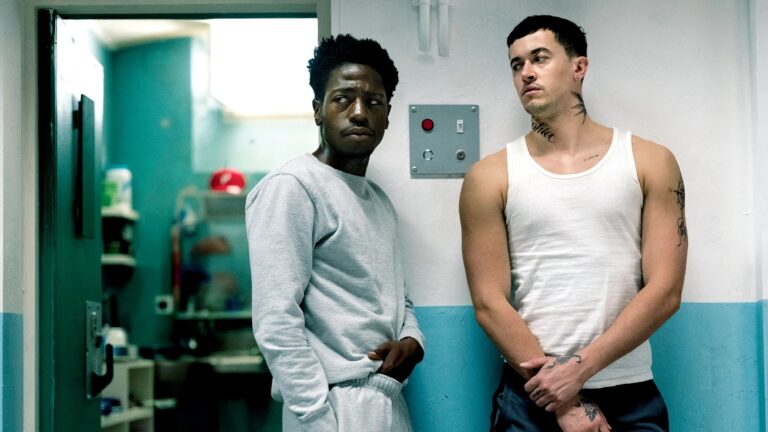
8.2
… a bruising, restless British prison drama that wastes little time getting under the skin.
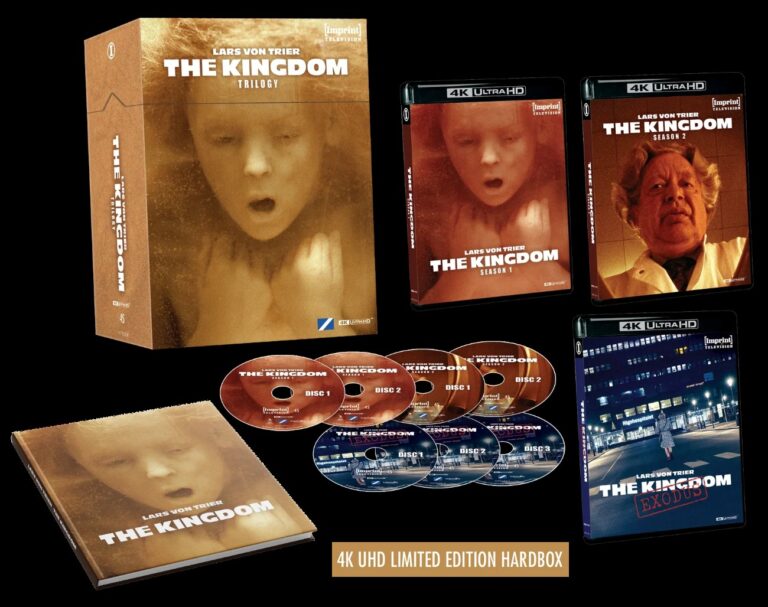
7.5
… will have you alternately squirming with discomfort and chortling with disbelief.
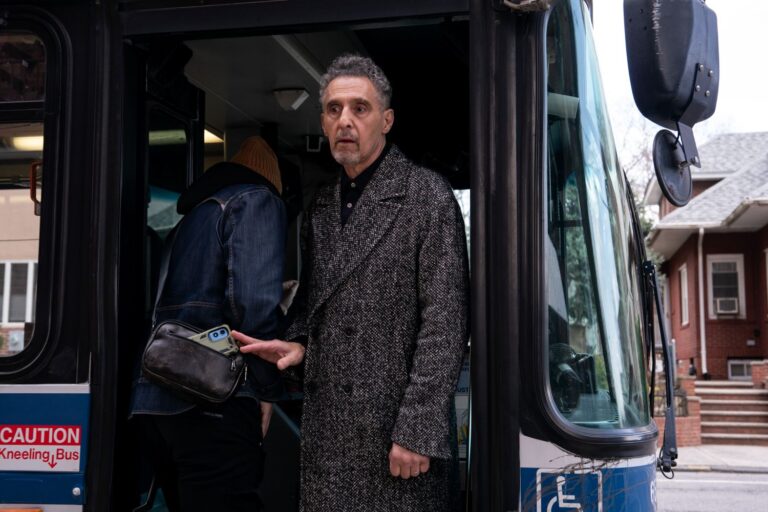
7.5
… a fairly simple, if occasionally didactic, tale … elevated by the cast.

8
… undeniably compelling, charming in its retro presentation and as addictive as a bag of crack wrapped in heroin.
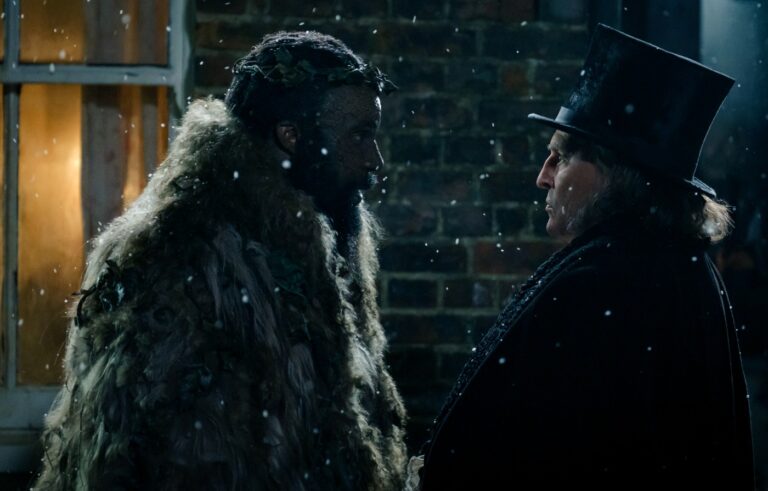
1
… lazy, derivative, and shallow …
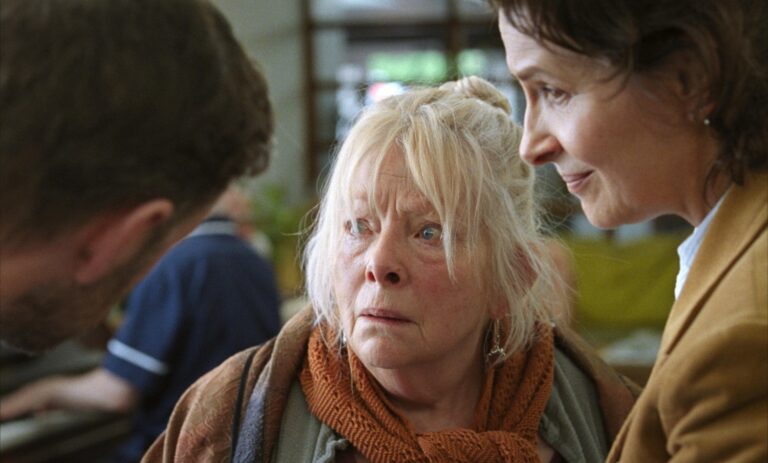
9
… a film that stays with you for a long long time.
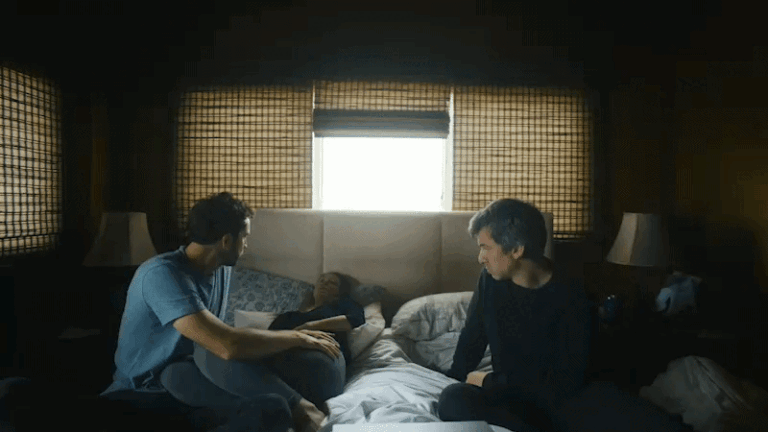
9.2
`… transgressive and open … seeking to understand what it sees without falling back on truisms and easy explanations.
5
... full of provocative questions but not always equally convincing answers.
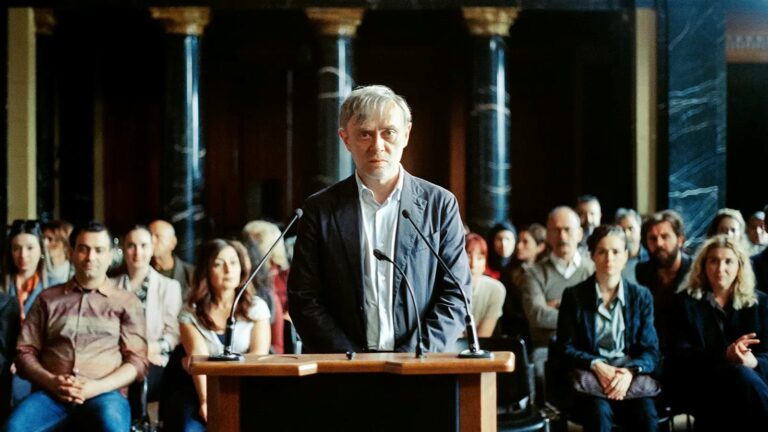
Yellow Letters (Gelbe Briefe, in German) is a timely take on the ongoing oppression of artistic freedom during authoritarian times. Directed and co-written by Turkish-born, German-based filmmaker İlker Çatak, the
8
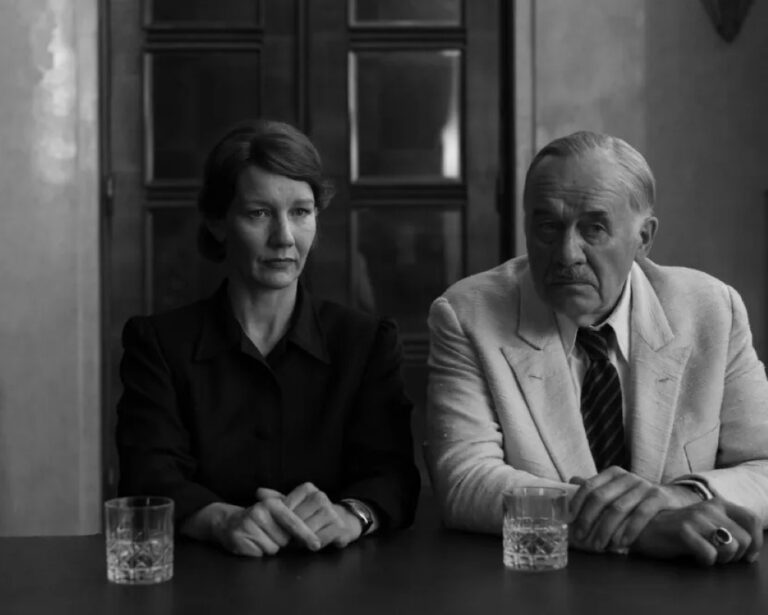
Fatherland is not only about the past. It is a warning about the cyclical nature of history and the dangers of forgetting.