



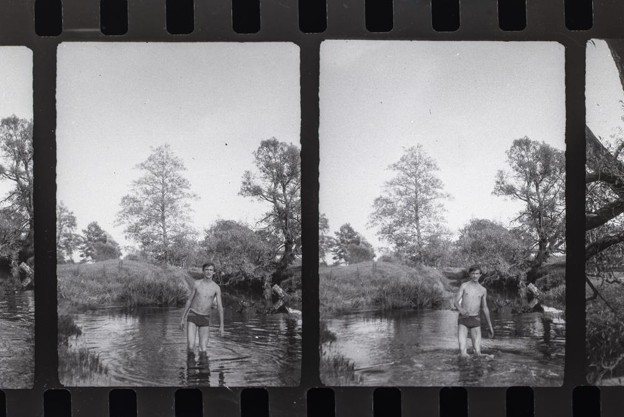
by Brendan Faber
Filming on location can be one of the most exciting parts of making an independent film. You get to work across picturesque landscapes and natural settings, experiment with different backdrops, and bring your creative vision to life without having to build an entire set from scratch. But as anyone who’s worked on a film shoot will tell you, there’s quite a bit of planning involved behind the scenes when filming on location.
From organising accommodation and transporting equipment, to dealing with the weather, there’s plenty to think about well before the cameras start rolling. And as anyone who has worked with a small crew and a limited budget knows, small setbacks can have a big impact on your schedule.
So, if you’re getting ready for your next location shoot, here are six practical tips to help things run a little more smoothly.
1. Find Somewhere to Stay Near Your Filming Location
If you’re filming a fair distance from home, it’s a good idea to find somewhere nearby for your cast and crew to stay. Driving an hour or two each way might sound manageable at first, but after a full day of filming, the last thing anyone wants is another long trip home. And if you’ve got an early start the next morning, you’re probably not going to get much sleep either.
Say you’re shooting in the Yarra Valley, for example. There are plenty of options for accommodation in Healesville, which makes it a handy place to base yourself if you’re filming around the region. You can get everyone together in the morning without having to coordinate people travelling from all over Melbourne, and it’s much easier to head out early if you’re trying to catch the sunrise.
Before you book, though, have a think about what your crew will actually need. Somewhere with a decent kitchen can help keep food costs down, while off-street parking is useful if you’ve got a few vehicles loaded with equipment. It’s also nice to have somewhere everyone can sit down and relax after a long day, rather than heading straight back to their rooms.
Pro tip: location scouting tools like Set Space can make your search process a lot easier. Using Set Space, you can find locations across Australia that tick all your boxes. And once you’ve got the ideal shooting locations lined up, finding all the right local accommodation for your cast and crew is as easy as hitting Google or your favourite travel apps.
2. Assess All Locations & Prepare Shotlists On-Site
It’s beyond easy to fall in love with a location after seeing a few photos online, but truthfully, you really need to see it in person before deciding whether it’ll work for your shoot. What looks like a quiet, secluded spot in pictures could turn out to be right next to a busy road, or you might find there’s barely enough room to set up your equipment.
There are a few things you should do when assessing any prospective shoot location, just to make sure all logistical considerations have been made. Start by heading down around the same time of day you’re planning to shoot, so you can see what the lighting is like and whether it’ll work for the scenes you’ve got in mind. Check where everyone can park, whether there are toilets nearby, and how far you’ll need to carry your gear.
Pay attention to background noise. Traffic, construction work, and even nearby cafes can make recording dialogue a bigger headache than it needs to be, especially if you’re working with limited sound equipment.
Taking a few photos and short videos is also ideal for shot planning. With a full shotlist, you can make sure your shoot day goes by like a breeze, with minimal time between shooting and assurance that you get what you need within consistent lighting conditions.
3. Secure Filming Permits & Permissions
Once you’ve found a location you’re happy with, the next thing to check is whether you’re actually allowed to film there. It’s not always as straightforward as turning up with your camera, especially if you’re bringing along a crew and setting up lighting or other equipment. Even locations scouted using Set Space can require permits, whether it be permission granted by local council offices or private owners.
As we’ve pointed out in our guide to making a short film, choosing the right location also means considering your budget and whether you can get permission to shoot there. Depending on where you’re shooting, you might also be asked for details about your crew, equipment, filming times and public liability insurance.
In all cases, whether you’re planning to film on publicly owned or privately owned property, it’s always best to get in touch early. Permits can take time to organise on both ends, so it’s common courtesy to even give the owner or relevant authorities plenty of time to assess your application. And with ample time allocated to reviewing permits, you’ll have a firmer understanding of what you can and can’t do at each location well before you start locking in dates with your cast and crew.
4. Start Transportation Planning Well in Advance
Once you’ve got your filming locations sorted, you’ll also need to figure out how you’re getting everything there. Even a small production can involve quite a bit of gear, and it’s easy to underestimate just how much space you’ll need once you’ve packed your cameras, tripods, lighting, microphones, and whatever jumble of props and wardrobe you’ll also need to have access to while on-site.
If you’re travelling in separate cars, work out who’s bringing what beforehand so nothing gets left behind. It also helps to put together a checklist that everyone can refer to, especially if you’re borrowing or hiring equipment from different places. And if you’re filming somewhere remote, remember that you might not be able to duck out and pick up a spare battery or memory card if something goes wrong.
You’ll also want to consider how far you’ll need to carry everything once you arrive. Parking might be available nearby, but that doesn’t necessarily mean you can drive right up to where you’re filming. As one Australian filmmaker shares in his experience shooting on a small budget, working in remote locations can mean having to cut back on equipment simply because it’s too difficult to transport everything to the set.
5. Prepare for Bad Weather & Other Delays
Filming outdoors means always having to keep an eye on the weather, especially if you’re shooting somewhere like Melbourne, where conditions can change pretty quickly. You might have a whole day of outdoor scenes planned, only to wake up to heavy rain or strong winds that make filming near impossible.
It’s a good idea to check the forecast in the days leading up to your shoot and have a think about what you’ll do if the weather doesn’t cooperate. If you’ve got indoor scenes to film as well, you might be able to switch things around rather than lose an entire day. Just make sure everyone knows about any changes as early as possible, particularly if your cast and crew are travelling from different locations.
But the weather isn’t the only thing that can delay filming. Equipment can stop working, someone might fall sick, or a location could become unavailable at short notice. You won’t always be able to avoid these problems, but having a few backup options in mind can make them easier to deal with. Even something as simple as knowing where you can hire replacement equipment nearby could save you a lot of trouble if something goes wrong.
6. Allow Extra Time in Your Filming Schedule
When you’re working on an independent film with a limited budget, you’ll probably want to get as much done as possible each day. After all, hiring equipment, paying for locations, and getting everyone together can be pretty expensive, so it makes sense to make the most of the time you’ve got.
Even with a clearly defined shotlist and great weather planning, you might still need a few extra takes to get a scene right, or find that setting up your lighting takes longer than expected. And if you’re moving between locations, you’ll need to allow time to pack everything up, travel and get set up again. It’s easy for these little delays to add up, especially when you’ve got several scenes planned for the same day.
So, be realistic about what you can get through and leave room for delays, rather than overfilling your schedule. Be respectful of meal breaks, and make time and space for other collaborators on the project to make their input on the day. Giving everyone enough time to do their jobs properly will not only make your shoot a more comfortable and motivating experience for everyone, but can also help you get an improved result from your final footage.
Final Word
There’s heaps to organise when you’re filming on location, working with a small crew, and trying your best to keep costs down. Between finding suitable locations, getting everyone there, and making sure you’ve got the right equipment, it’s easy to overlook some things along the way.
The more you can sort out beforehand, the easier things will be once filming begins. Things might not always go according to plan, but with the practical details taken care of, you and your crew can spend less time worrying about logistics and more time doing what you enjoy. And at the end of the day, that’s what you want everyone to remember about the shoot, not all the headaches that came with organising it.
