


by Benjamin Faber
Some places don’t need an introduction. You see them once in a movie, and they just stick.
Casinos are like that. Not even because of the games, but because of what happens around them. The tension, the pauses, the feeling that something could turn at any second. Films have been using that for years, and certain locations ended up becoming part of movie history because of it.
What’s interesting is that most people remember the place just as much as the scene itself. Not always consciously, but it’s there. The setting does a lot of the work.
And in a lot of cases, those places are real.
Las Vegas Always Shows Up
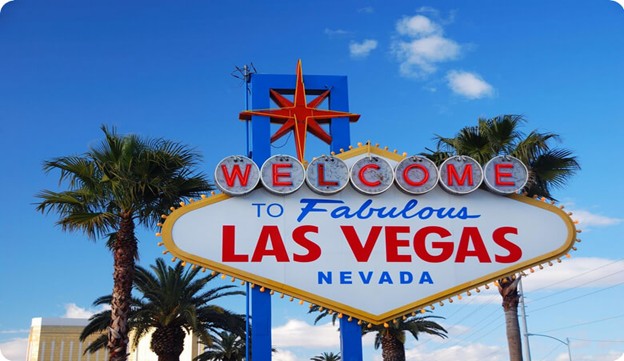
You already know this one.
Las Vegas is in everything. If a movie needs a casino, it usually ends up there. Not because it’s the only option, but because it’s easy. The visuals do half the job.
Bright lights, noise, people moving everywhere. You don’t need context. You don’t need a build-up. The second a scene opens on the Strip, you understand what kind of space you are in.
Films have used it in completely different ways, too. Casino went deep into the business side of things. Ocean’s Eleven made it smooth and stylish. The Hangover turned it into pure chaos. Same place, totally different feel.
That’s probably why it keeps getting reused. It adapts. And we are going to see a lot of new movies glamourising Las Vegas soon.
Monte Carlo Feels Like a Different World
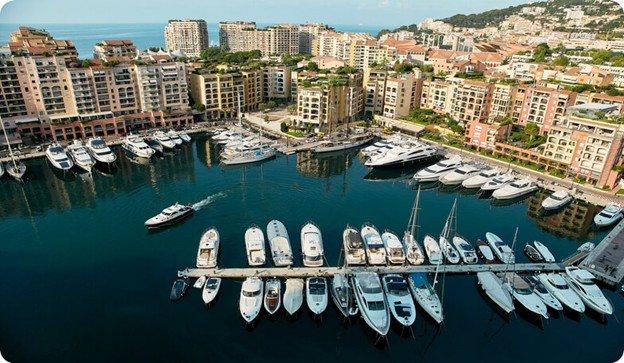
Now compare that to Monte Carlo. It’s quieter. Slower. Everything feels controlled.
When movies go there, they are not trying to show chaos. It’s more about pressure. A single hand of cards matters more. People talk less. They watch more.
The James Bond films got this right. You could have an entire scene built around a few players at a table, and it still holds attention. No distractions. Just decisions.
It’s a completely different kind of tension. Less noise, more weight.
Monte Carlo is about the luxury, style, and incredible wealth. It’s a gaming destination for people with deeper pockets, relaxing on yachts. Less about weekend tourists like Las Vegas usually is.
Macau Changed the Look of Modern Casino Scenes
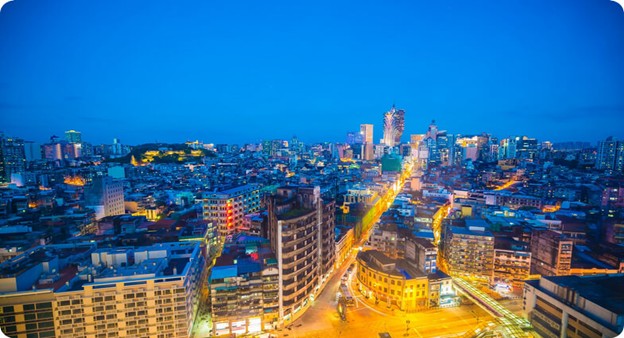
Older films leaned heavily on Las Vegas or European locations. Newer ones started shifting a bit.
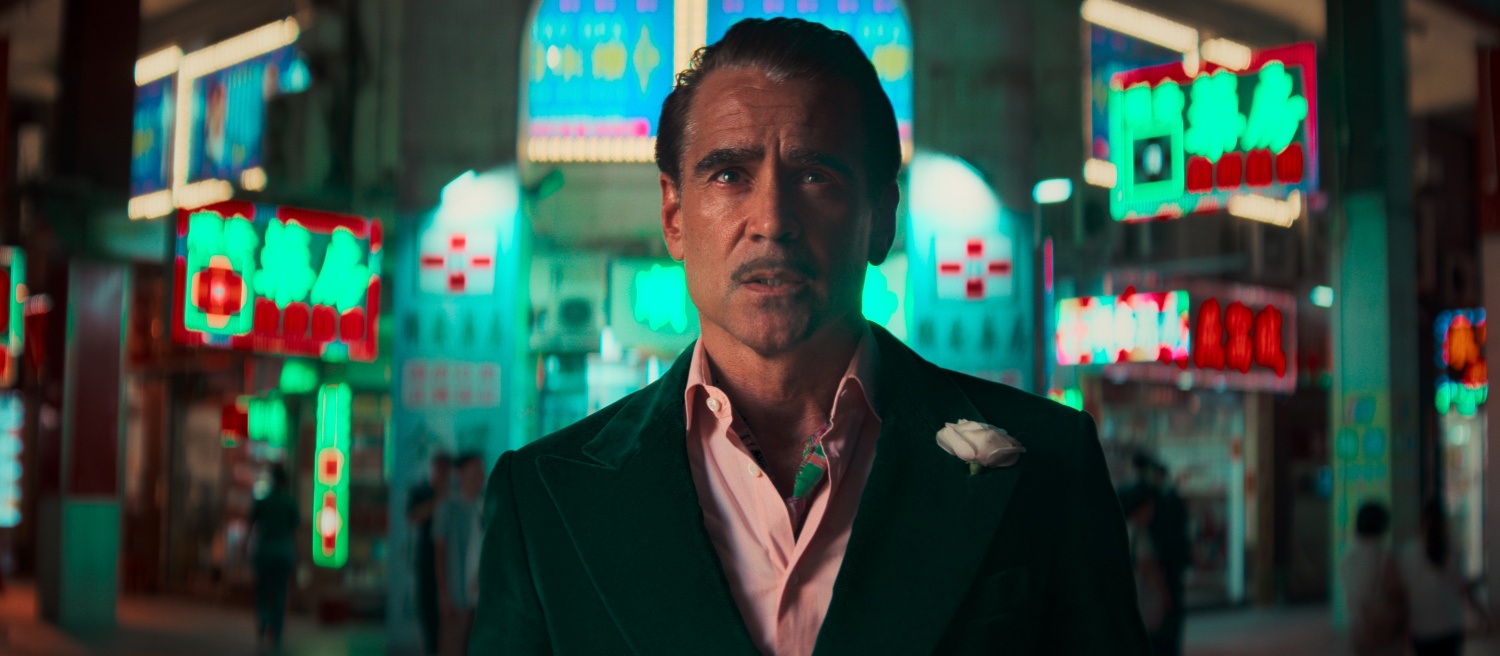
Macau shows up more now, and when it does in movies such as Ballad of a Small Player, it looks different. Bigger spaces, more polished interiors, a slightly different energy. It feels newer, which makes sense.
Some scenes use it just for scale. You get wide shots, busy floors, lots going on at once. It’s less about one table and more about the environment as a whole.
Even when movies don’t name it directly, you can see the influence. The design gives it away.
Macao is about riches, gold, and deepest pockets. It’s the high-roller mecca for gamblers.
Not Every Scene Needs a Big Casino
Some of the better scenes don’t even happen in famous places.
A lot of films go the other way – small rooms, private games, no crowd. Just a few people around a table.
Those setups work because there’s nowhere to hide. Every reaction matters. Every small delay feels intentional. You don’t have flashing lights or background noise to carry the scene.
It’s just people reading each other.
Sometimes that’s more effective than a huge casino floor.
Why Casinos Work So Well on Screen
There’s a simple reason these places keep showing up. They already come with tension built in.
You don’t need to explain what’s going on. Cards, chips, a table – that’s enough. People understand risk. They understand winning and losing. So, the scene gets moving straight away.
That saves time, which matters in films. Instead of building context, the story can jump right into the moment.
Movies Changed How People See These Places
There’s also a weird effect where the film version becomes more “real” than the actual place.
People go to Las Vegas and expect it to feel like a movie. Sometimes it does, sometimes it doesn’t. But that expectation is there.
Same with Monte Carlo. People picture something very specific, even if they’ve never been.
Movies shape that image. They simplify things, exaggerate others, and leave out the slower parts. What you end up with is a version that feels sharper than reality.
That Influence Carried Over Online
You can see the same ideas online now.
Game platforms don’t copy real casinos exactly, but they borrow the feel. The layouts, the colours, the way tables are presented – it’s all familiar in a subtle way.
Even on sites like AussieCasinos Australia, there’s that slight nod to the way casinos are shown in films. Not in an obvious way, just enough that it clicks.
It makes the whole thing easier to settle into. You already “get” the environment before you even start.
Films Focus on the Moments That Matter
One thing movies do really well is cutting out everything unnecessary.
You don’t see long stretches of nothing happening. You get the key moment. The decision. The turn.
That’s why casino scenes feel intense. They are built around a single outcome.
A card gets revealed. A bet gets pushed forward. Someone hesitates just long enough to make you notice.
In real life, those moments exist too. They are just surrounded by a lot more downtime.
Smaller Scenes Often Stick More
Big casino shots look impressive, sure. But they are not always the most memorable.
A quiet poker game, a close-up on someone thinking, a small shift in expression – those are the scenes people remember. Probably because they feel more real.
There’s less going on visually, so your focus narrows. You start paying attention to things you’d normally ignore.
And that’s where tension builds properly.
Why People Don’t Get Tired of These Settings
You’d think after so many films, casino scenes would start to feel repetitive. They don’t.
Mostly, because the structure stays the same, but the context changes. Different characters, different stakes, different reasons for being there.
The setting stays familiar, which helps. But what happens inside it keeps shifting.
That balance works.
These Places Carry Film History Now
At this point, some locations are tied to movies whether they like it or not.
Las Vegas isn’t just a city anymore. It’s a film setting that people already recognise before they arrive. Monte Carlo has that same effect, just in a different tone.
Even newer places are starting to build that connection. It’s not forced. It just happens over time.
It Still Comes Down to One Thing
At the end of it, these locations work because they make decisions feel important. That’s it.
You’ve got a space where something can go wrong (or right) very quickly, and everyone watching understands that. Doesn’t matter if it’s a massive casino or a small private table. If the moment feels real, the setting does its job.
And that’s why films keep going back to these places. Not for the visuals alone, but for what they allow the scene to do.
