




by Sebastian R.
I love the smell of overpriced popcorn and regret in the morning. But lately, going to the cinema feels less like an event and more like a gamble. Will the movie be good? Will the audience be quiet? Will I leave thinking, “That was worth 30 bucks and two hours of my life”? Increasingly, the answer’s been no. More so since the majority of movie plots have been spoiled by trailers.
Meanwhile, I recently strapped on a VR headset, stood in the middle of my living room in my pajamas, and found myself crying on a virtual mountaintop while an AI-narrated story unfolded around me. No sticky floors. No couple whisper-fighting behind me. Just pure immersion.
It hit me then, maybe the future of cinema doesn’t involve cinemas at all.
Wait, What Even Is VR Storytelling?
First, let’s clear this up. VR storytelling isn’t just about playing games where you shoot zombies or fix spaceship engines with floating hands. It’s about building entire narratives around your presence. You’re not just watching the story. You are in it.
In traditional film, the director controls what you see. In VR? You control where you look. That shift alone breaks the fourth wall and builds a fifth dimension, emotional spatial awareness. You’re inside the story, feeling the tension from proximity, hearing dialogue whispered in your ear, maybe even dodging a rogue bottle thrown in a bar brawl.
There are branching storylines. Environmental storytelling. Room-scale drama. It’s part theatre, part dream, and very possibly part of where storytelling is headed.
VR Isn’t the Future, It’s Already Here
If you think VR storytelling is still stuck in the “we made a cool 360° video” phase, you haven’t been paying attention. Creators are pushing boundaries, quietly cooking up mind-bending experiences that never make it to your local theatre.
Take Gondwana, an environmental VR experience where you walk through a digitally recreated rainforest that changes in real-time based on actual climate data. Or Spheres, a space-themed narrative with voiceovers by Jessica Chastain and Millie Bobby Brown, where you literally float inside black holes.
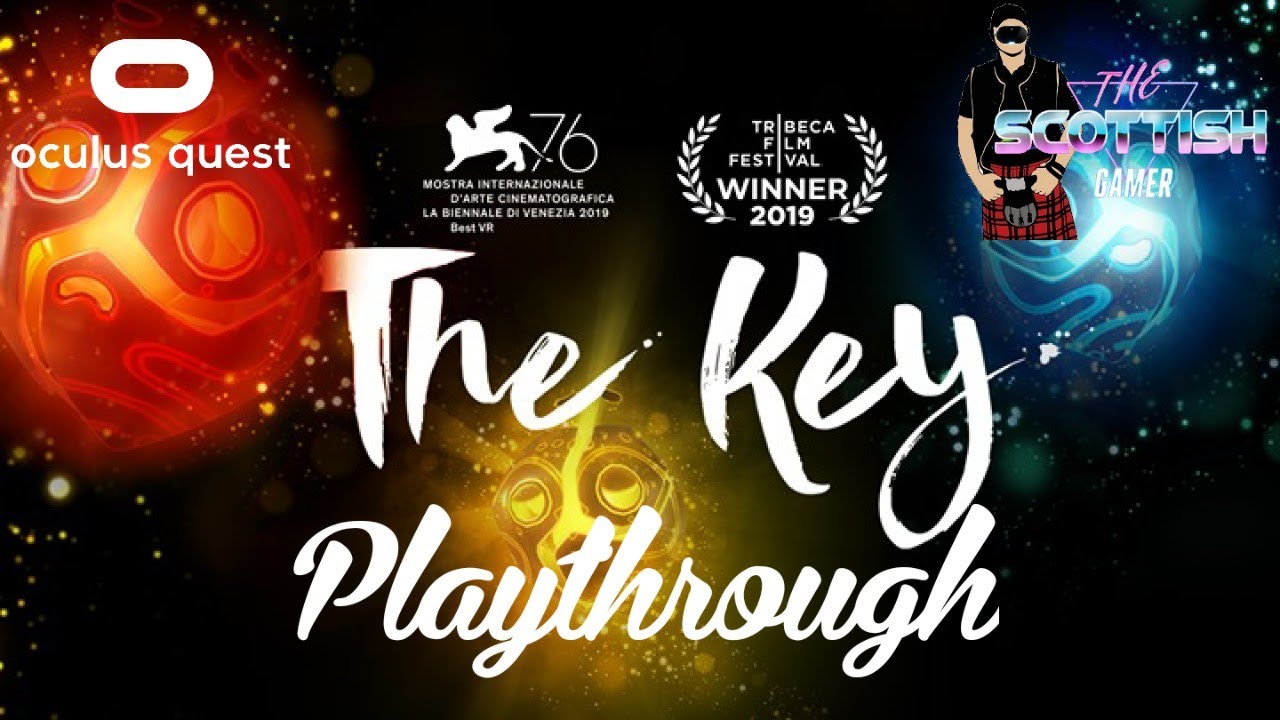
Even more compelling? The Key, a VR short that uses dream logic to unravel a refugee story. You don’t just hear the message, you feel it wrap around your skin. It’s been showcased at Tribeca, won an Emmy, and left viewers sobbing into their headsets.
These aren’t passive viewings. They’re events. And they’re proving that storytelling doesn’t need rows of seats and a 40-foot screen.
Hollywood’s Been Testing the VR Waters
Don’t let the industry’s quietness fool you. Studios want VR to work. They’ve already dipped their toes in, some more gracefully than others.
Warner Bros. tried it with Blade Runner 2049: Memory Lab, a moody noir extension of the film that lets you wander through cyberpunk crime scenes. It looked stunning. It played… Eh, okay. But it was a start.
Then came The Martian VR Experience, where you get to be Matt Damon (but with more motion sickness). Or Spider-Man: Homecoming VR, which gave us a taste of web-slinging before we were fully ready to commit to motion controllers.
These tie-ins weren’t revolutionary, but they were important proof-of-concept projects. They showed that cinematic universes could bleed into virtual ones. And when done right, that bleed could feel seamless.
Immersion Trumps Spectacle
Truth to be told, cinema’s been relying on bigger explosions, louder soundtracks, and deeper fake oceans to keep us engaged. But no matter how epic the IMAX screen gets, it’s still a flat rectangle.
VR, on the other hand, doesn’t need to crank everything up to 11. It just has to make you feel present.
There’s something weirdly intimate about VR that cinema struggles to replicate. When you’re in a VR narrative, you instinctively lean in, like you’re part of the secret. There’s no frame to separate you. When a character cries two feet away from you, it hits harder than a dolly zoom ever could.
This level of immersion isn’t just changing cinema, it’s quietly creeping into other industries, too. Casinos, for instance, have begun experimenting with virtual spaces that blend storytelling with interactive play. It’s not just about games anymore. Some virtual environments feature themed narratives where players uncover plot twists and side quests between card hands. According to Casino.org, this shift mirrors how digital audiences crave emotional involvement, not just flashing lights and jackpots.
Operators like BetZillo Casino are even layering in gamified missions and character-driven arcs to create more dynamic VR settings. These designs feel closer to immersive theatre than traditional gambling, showing just how far-reaching VR storytelling’s influence could become.
But Let’s Not Pretend VR Is Flawless
Here’s where the bubble wobbles a bit. VR still comes with baggage. The headsets are bulky. The cables (if you’re not wireless) are trip hazards. And don’t even get me started on how fast you’ll sweat through a headset during a 30-minute drama.
Then there’s accessibility. Not everyone owns a Meta Quest or a PC rig that can handle Half-Life: Alyx, let alone wants to. Cinemas, for all their faults, are way more democratized. You show up, pay, sit, leave.
VR still feels niche, borderline exclusive. Until the tech becomes as convenient as a pair of glasses, its ability to fully replace cinema remains out of reach.
Directors Are Already Getting Curious
Some filmmakers are diving in. Alejandro G. Iñárritu created Carne y Arena, a brutal VR piece simulating a border crossing in the U.S.-Mexico desert. It won a special Oscar. Not a nomination, a full-on Oscar.
David Lynch mused about VR’s potential to build “infinite dreamscapes.” Robert Rodriguez played with interactive narrative in The Limit. And Spike Jonze? He’d probably invent a VR short that installs itself in your subconscious like an unskippable YouTube ad (intended as a compliment.)

The best part? VR storytelling opens up the medium to new voices. Indie creators, game devs, animators, anyone with Unity and ambition can design worlds that break the traditional rules of time and place. That’s democratizing. That’s exciting.
Could VR Revive the Idea of Shared Story Space?
One surprising twist in the VR space is how social it can be. Apps like Bigscreen and VRChat let users watch movies together in virtual theatres. You can whisper jokes to your friend across the “aisle” or react in real-time with strangers across the world.
This could scratch the itch of shared viewing that we lost when theatres emptied out. If the cinema experience was ever about watching together, VR gives us a weird, pixelated version of that. And weirdly? It works.
Imagine a future where indie filmmakers release their shorts in shared virtual venues. You put on your headset, grab your virtual snacks, and experience it with people, no matter where they live. That’s less lonely than watching Netflix alone while scrolling TikTok.
VR Won’t Kill Movies, It’ll Make Them Mutate
Look, I’m not anti-movie. I still love cinema. I still get goosebumps during great trailers. But I also recognise that format’s shift. Radio didn’t kill books. TV didn’t kill film. Streaming didn’t kill creativity. VR won’t either.
What it will do is create a new branch in the storytelling family tree. A weird, ambitious, occasionally glitchy branch, but one that opens up emotions, immersion, and experience in ways film just can’t touch.
It’s not a reboot of cinema. It’s a sequel. And if Hollywood knows anything, it’s how to milk a sequel.
