


by Andrea Baker
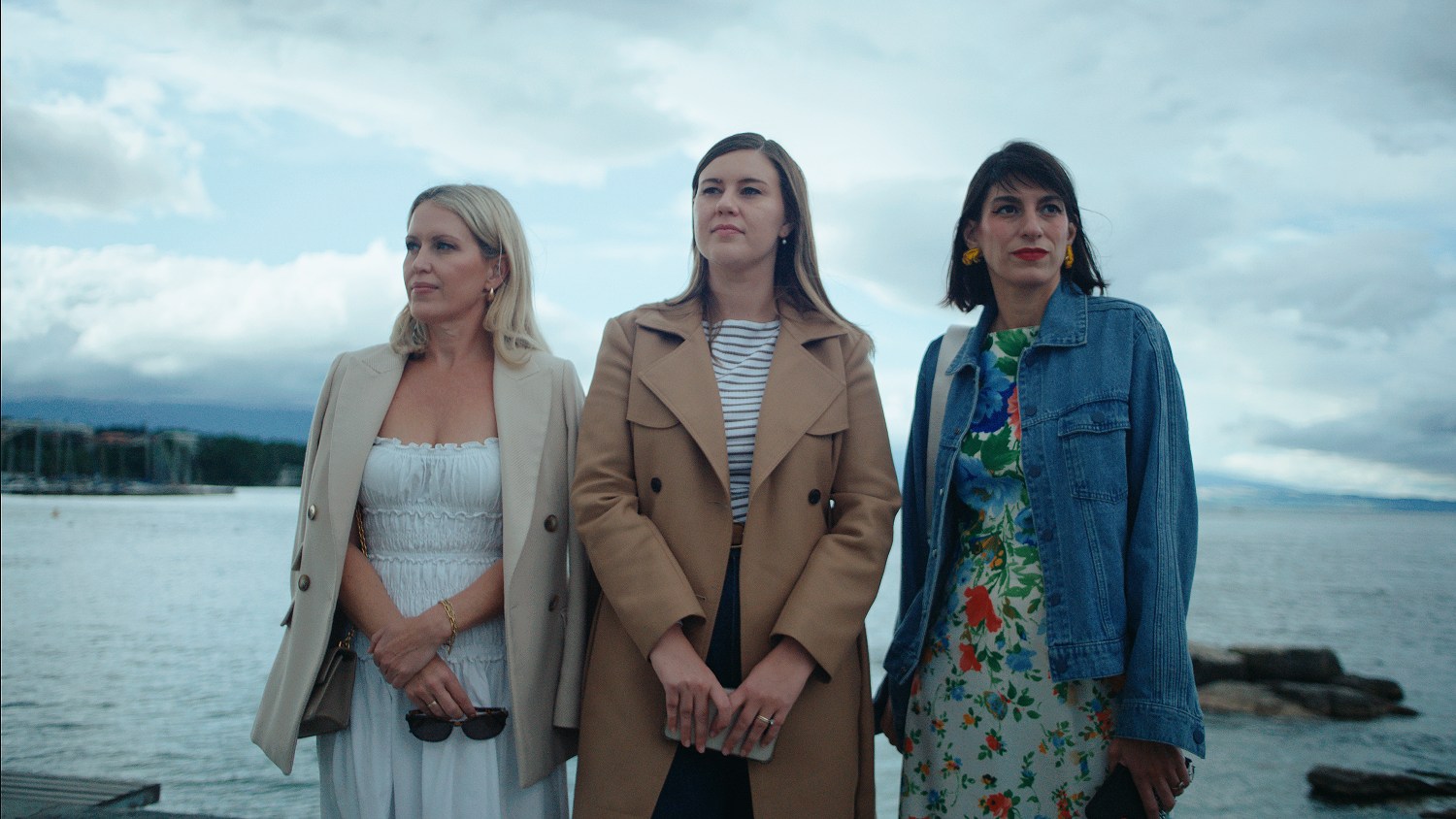
Shock, anger, and disappointment come to mind after viewing the new documentary, Silenced, about how men weaponise legal systems to silence victim-survivors of gender-based violence and journalists who report about it.
Shocked that 1 in 3 women are victim-survivors. Angry that defamation laws, non-disclosure agreements (NDAs), and strategic lawsuits against public participation (SLAPP) suits silence women. Disappointed in gender-based victim-blaming news narratives.
Spearheaded by Australian-born, London-based human rights lawyer and barrister Jennifer Robinson, Silenced builds on her co-authored books, How Many More Women: How The Law Silences Women (2022),and Silenced Women: Why The Law Fails Women and How to Fight Back (2024),with London lawyer and academic Dr Keina Yoshida.
“This is not about geography or culture. It’s happening everywhere. Different legal systems, same story…For many, silence is the safest option,” Robinson said.
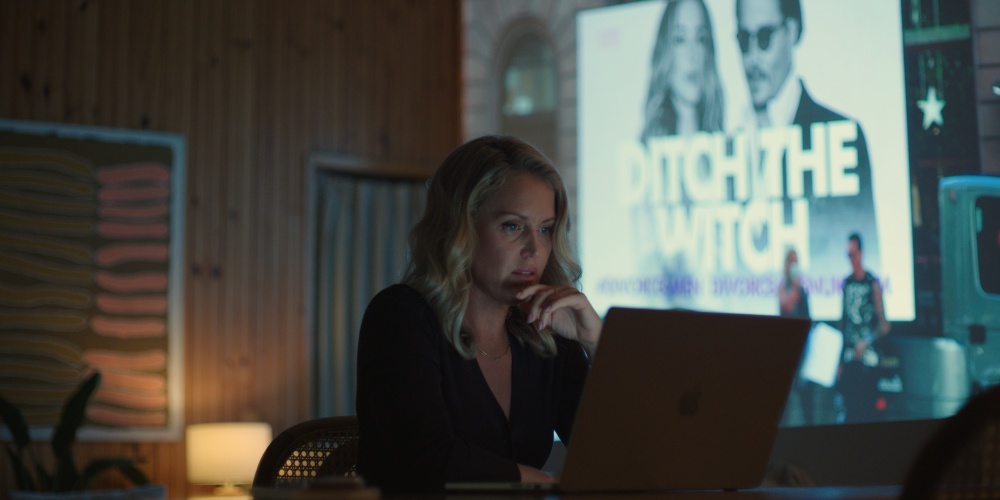
From criminal to civil trials, the documentary focuses on three victim-survivor cases that we know of: actress Amber Heard (Hollywood); journalist Catalina Ruiz-Navarro (Latin America); and former political staffer Brittany Higgins (Australia). Each case illustrates how victim-survivors are gagged, traumatised and largely let down by legal systems.
Producer of Silenced, Blayke Hoffman said the team, including director Selina Miles, received legal threats before the documentary’s Sundance premiere in January this year, and leading up to its opening at the Sydney Film Festival in June.
Celebrity violence in Hollywood to Latin America’s Weinstein
The documentary reflects on the revitalisation of the #MeToo movement, following the savvy investigative reporting in 2017 by The New York Times and The New Yorker journalists who exposed the sexual assault allegations in Hollywood against Miramax film producer Harvey Weinstein, who was later convicted. #MeToo empowered victim-survivors to speak out about their abuse globally.
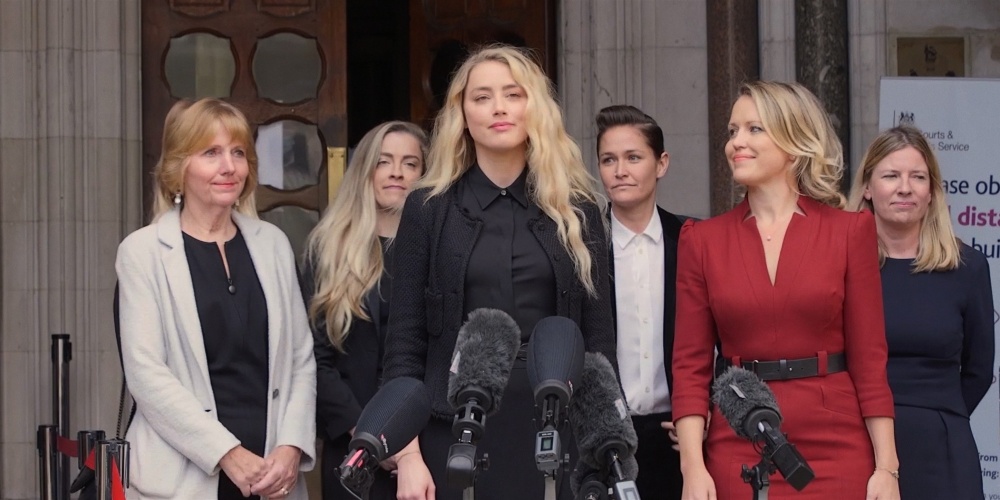
Robinson represented Heard when she testified as a witness in the 2020 libel lawsuit in the United Kingdom brought by former husband and Hollywood actor Johnny Depp against News Group Newspapers over The Sun article in 2018 that labelled him a “wife beater”. Justice Nicol ruled that The Sun had proved what was in the article to be “substantially true”.
The United States trial in 2022 was initiated by Depp, who claimed that he was defamed by Heard in The Washington Post in 2018, where she wrote an opinion piece about being a survivor of sexual violence, even though his name was never mentioned. As one of the most-watched live-streamed legal battles in recent history, Heard was found guilty on three counts and faced social media attacks from bots and trolls.
In 2020, Catalina Ruiz-Navarro and Matilde de los Milagros Londoño published an investigation on the feminist media site, Volcánicas, about eight women’s allegations of abuse against Colombian film director Ciro Guerra. The director proceeded with criminal defamation and civil actions to silence the victim-survivors and the journalists.
In 2022, Colombia’s Constitutional Court protected the journalists’ freedom of expression and recognised the special constitutional importance of feminist reporting about gender-based violence. However, the ruling did not dispose of Guerra’s separate criminal complaint, which is still under investigation and carries imprisonment of Ruiz-Navarro and de los Milagros Londoño, if convicted.
Generational trauma to a rape case in Australian politics
Amid the high-stakes nature of modern defamation lawfare, there are heartfelt discussions between Robinson and her wise grandmother, who, as a survivor of domestic violence during the 1960s, offers a generational bridge and an emotional anchor to the documentary.
We revisit a well-known Australian case where, in 2019, fellow political staffer Bruce Lehrmann allegedly sexually assaulted Higgins in Federal Parliament House in Canberra. When Higgins spoke out about this incident to Lisa Wilkinson on Channel Ten’s The Project in 2021, she experienced online trolling and media misreporting tied to the rape myth.
There was a criminal mistrial in 2022, then a civil defamation trial initiated by Lehrmann in 2024, but Justice Lee found “on the balance of probabilities” that he had raped Higgins. Higgins became the brave silence-breaker and the voice of the #MeToo movement in Australian politics.
Addressing the fear of speaking out
From courtrooms to media headlines, other publicised cases cited in Silenced include Geoffrey Rush versus The Daily Telegraph (2018); Pelicot rape case (2024); Donald Trump (E. Jean Carroll, 2023; Stormy Daniels, 2024); Sean “Diddy” Combs (2025); and the Justin Baldoni versus Blake Lively case (2026).
Robinson also discusses her work with African human rights lawyer and activist Sibongile Ndashe, who is the Executive Director of the Initiative for Strategic Litigation in Africa, an organisation that trains lawyers to defend journalists and survivors facing defamation lawsuits used to silence them.
A decade on from the utopian reckoning of #MeToo, Silenced highlighted how the legal systems (and often the media) still put the dystopian onus on women to be ‘believed’ and ‘emotionally convincing’ in cases about gendered violence.
Eighty-seven per cent of women who experience sexual assault do not report it to the police. Women often do not speak up about sexual assault because of fear, shame, self-blame, and distrust of the legal system.
Victim-survivors remain gagged from talking about their abuse, and journalists are fearful of telling their stories due to perpetrators and their lawyers’ persistent DNAs and SLAPP suits.
Silenced informed us about what we can do to fight back to ensure that victim-survivors’ voices are not threatened by legal systems that are supposed to protect them.
Silenced is currently in Australian cinemas
