



by FilmInk Staff
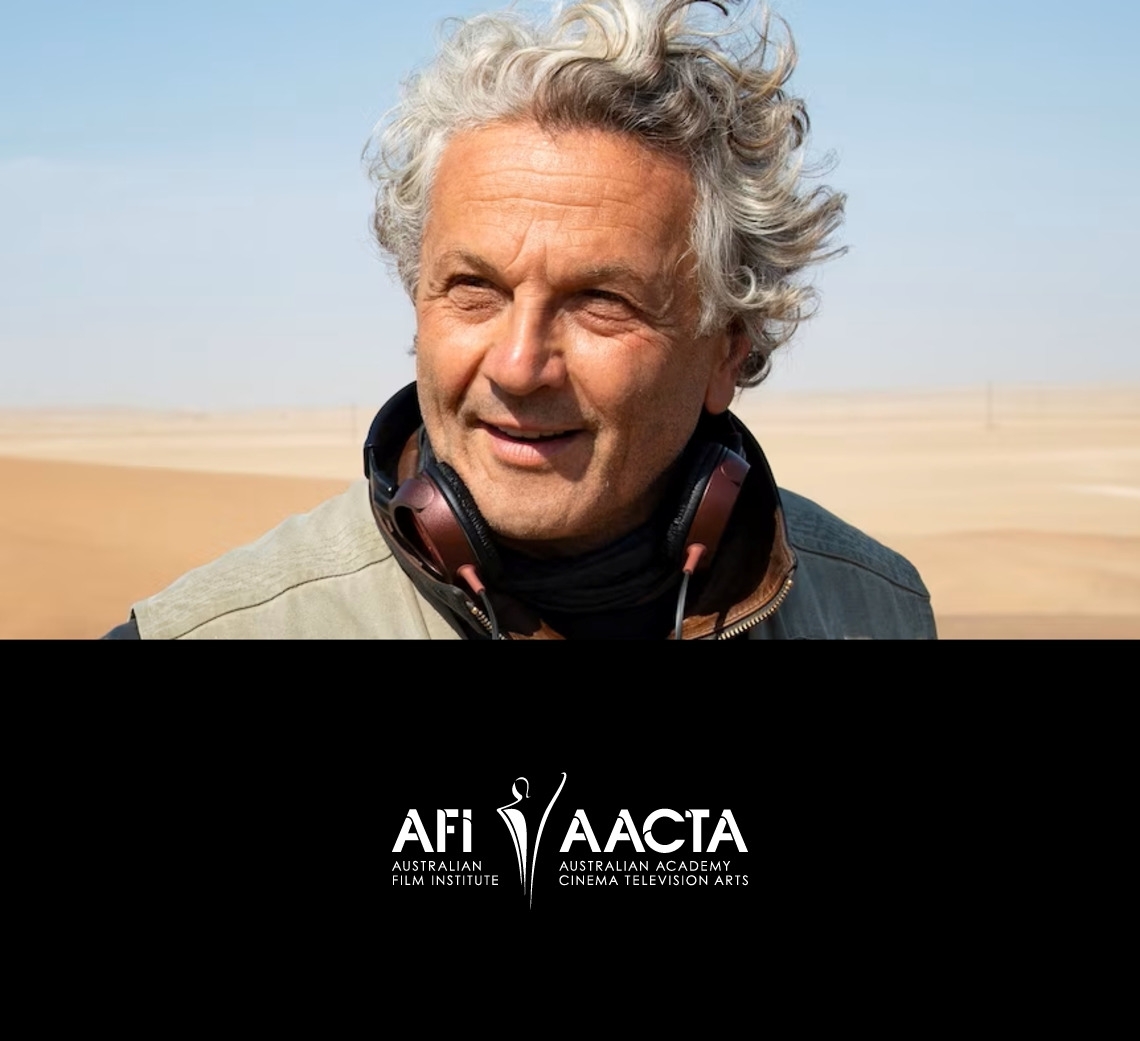
The AFI/AACTA Board has issued a lengthy update to members amid an escalating challenge from filmmaker Dr George Miller and producer Doug Mitchell, with financial questions, governance concerns and a December AGM showdown putting the organisation under increasing scrutiny.
The Australian Film Institute (AFI) and Australian Academy of Cinema and Television Arts (AACTA) are facing a significant period of upheaval, with the Board attempting to defend its restructure and reassure members about the organisation’s financial future.
In an email to members, the Board responded to enquiries following journalist Michael Bodey’s 16 October article, High on Cinema, published on his Substack, Shouting at Clouds.
The Board confirmed it had made an offer to Dr George Miller in an attempt to end what it described as ongoing criticism of the organisation and threats of litigation dating back to April 2026.
It claimed the legal threats were driven by an intention to reverse the Board’s restructure, including restoring the former CEO to his previous position. The Board said it had instead invited Miller to work towards building a stronger AFI/AACTA.
The nature of the offer has not been disclosed.
The dispute is expected to come to a head at the organisation’s AGM on 16 December, with Miller and Mitchell reportedly seeking to remove Chair Jack Christian and directors Tony Petani, Craig Campbell, Dan Monaghan and Toni Skaiffe.
According to Bodey, their proposed resolutions also include appointing five new directors: cinematographer John Seale, Oscar-winning hairstylist Lesley Vanderwalt, producer Dean Hood, former public servant Sue McCreadie and Wiradjuri archaeologist Dr Kellie Pollard.
The campaign also involves questions surrounding former Board member Jo Smith’s exclusion, access to the membership register and the organisation’s financial records.
Bodey reported that legal correspondence from MinterEllison raised the assertion that AFI had recorded four consecutive years of operating deficits.
In its email, the current Board acknowledged that previous management practices and financial oversight had been lacking.
It said an experienced operations manager had been engaged to examine the business, identifying reporting and policy issues that had allegedly been overlooked for several years. The review has resulted in new budgets and what the Board describes as significant operational savings.
Independent auditors and external accountants have also been engaged, with financial reports promised ahead of the AGM.
The Board says its priorities include strengthening governance, improving financial transparency, appointing a new General Manager and diversifying the Board’s expertise.
It also announced that a successful candidate had been selected for the General Manager position, although their identity has not yet been publicly revealed.
In another significant development, the Board confirmed that Chair Jack Christian has stepped down after six years, leaving both his position as Chair and the Board.
The Board credited Christian with securing its largest government partnership, strengthening financial controls and overseeing the relocation of the Awards to the Gold Coast, alongside the growth of the AACTA Festival and Screen Careers Expo.
The Board also promised a significant new broadcast agreement that it says will provide support for the Awards through to 2030. Details have yet to be announced.
The organisation has also faced criticism over aspects of its Awards eligibility rules, particularly requirements that can favour films receiving theatrical releases in Sydney or Melbourne over productions distributed in other Australian markets.
The discussion is relevant given AACTA’s growing presence on the Gold Coast and its Queensland Government support. Screen Queensland, led by CEO Jacqui Feeney, is a presenting sponsor of the AACTA Awards Industry Gala and Official After Party.
The December AGM now looms as a pivotal moment for AFI/AACTA.
The current Board says it is undertaking a necessary reset to address historical financial and governance problems and secure the organisation’s future.
Miller and Mitchell, meanwhile, are seeking significant changes to its leadership and Board composition.
With questions over finances, management, governance and the future direction of the organisation still unresolved, members will ultimately have their say on who should lead one of Australia’s most important screen industry institutions.
