


by Helen Barlow
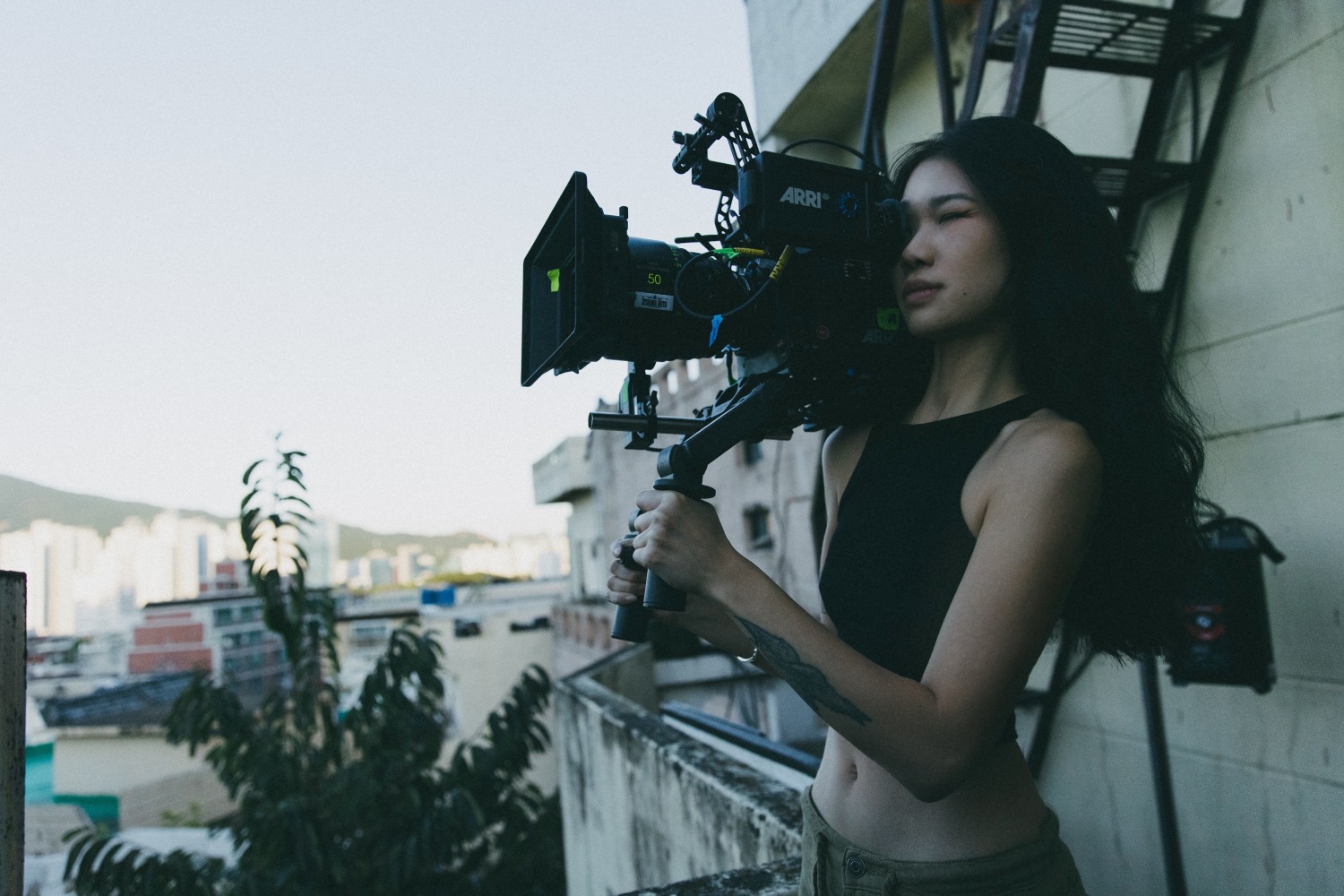
Linh Dan Nguyen Phan, who turns 30 this year, is the first female director of photography (DOP) to come out of Vietnam. At the Cannes Film Festival this year, she received a Special Encouragement award at the Pierre Angénieux Tribute ceremony.
Angénieux, who died in 1998, was a French engineer and optician, one of the inventors of the modern zoom lenses, and famous for introducing the Angénieux retrofocus. Cannes director Thierry Frémaux says that since 2013 the event “has become a rendezvous to gather and honour great cinematographers.”
Veteran Japanese cinematographer Akiko Ashizawa [below], born in 1951, received the main homage this year. She is known for her collaboration with director Kiyoshi Kurasawa, which started with Loft (2005) and continued with films including Retribution (2006), the award-winning Tokyo Sonata (2008), Real (2013) and To the Ends of the Earth (2019).
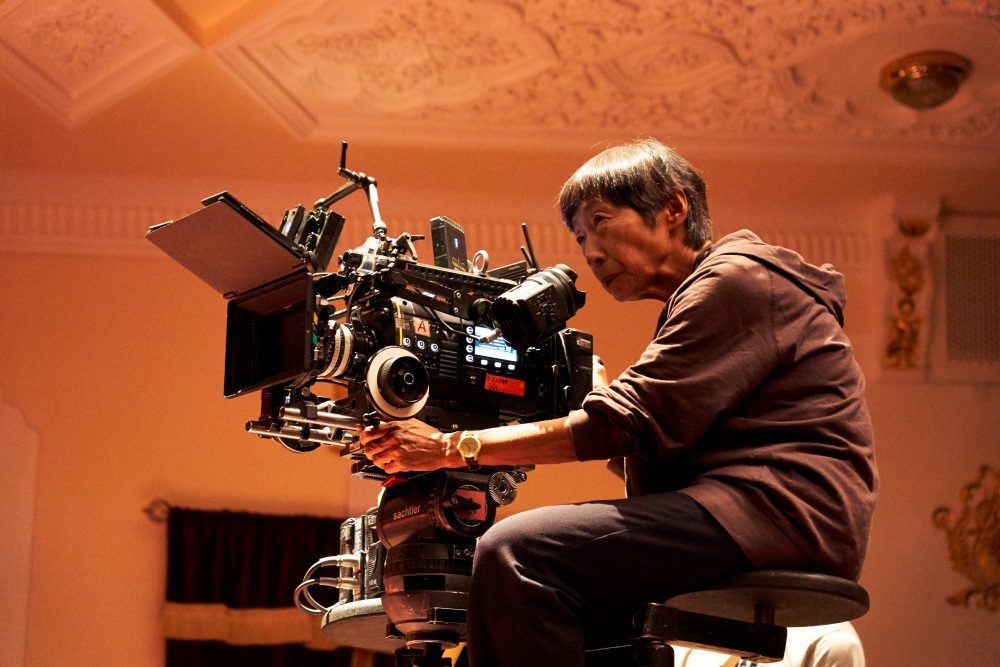
“I have been working far away from here, on films of all shapes and sizes, big and small,” Ashizawa said at the Tribute ceremony. “To have my work recognised this way leaves me deeply humbled and honoured.” She added that “Knowing that I would be receiving a lens as a gift, I can hardly wait to get back to Japan and do a camera test with it. My team is already waiting for me.”
With its extended, um, focus on Asian women cinematographers, Linh Dan Nguyen Phan noted her gratitude for the Special Encouragement Award.
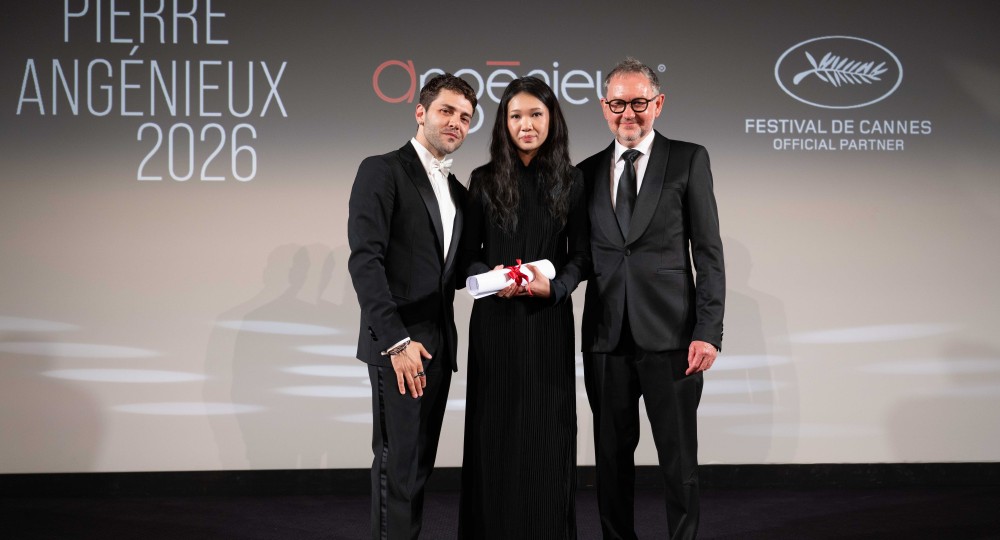
“This award is not only an encouragement for me, but also for many young girls growing up in places where this profession remains inaccessible… I come from a country where the memory of war still lives silently within families, where people learn not to speak about it, nor their emotions. Cinematography has given me a way to look at those silences and bring light to them, so they may become visible.”
Raised in an artistic family in Hanoi, Dan’s approach to cinematography is highly influenced by her background in painting. She is interested in the visual language of cinema, from body movement to framing. After studying English at school, she moved to New York to study film and television production at New York University’s Tisch School of the Arts, though now lives in Ho Chi Minh City. She speaks fluent English.
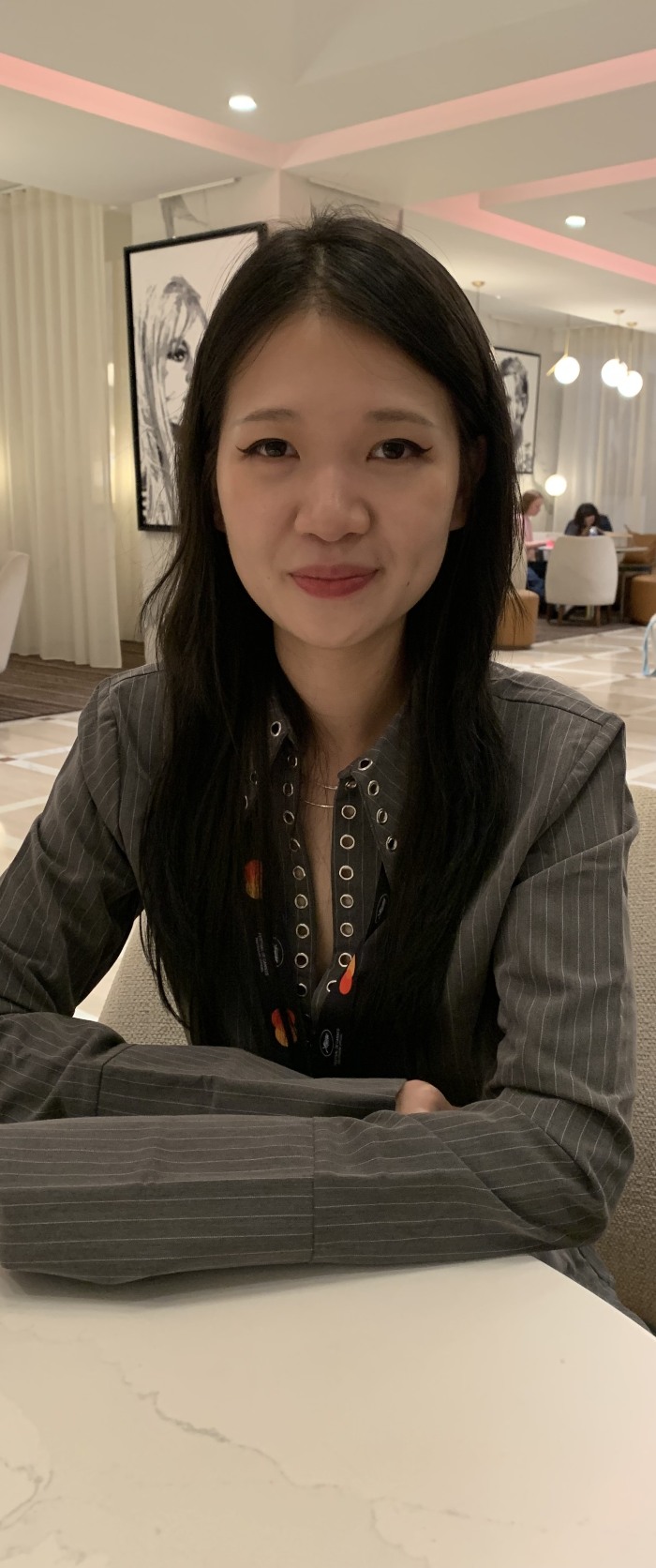 It was fascinating to speak to her before the ceremony.
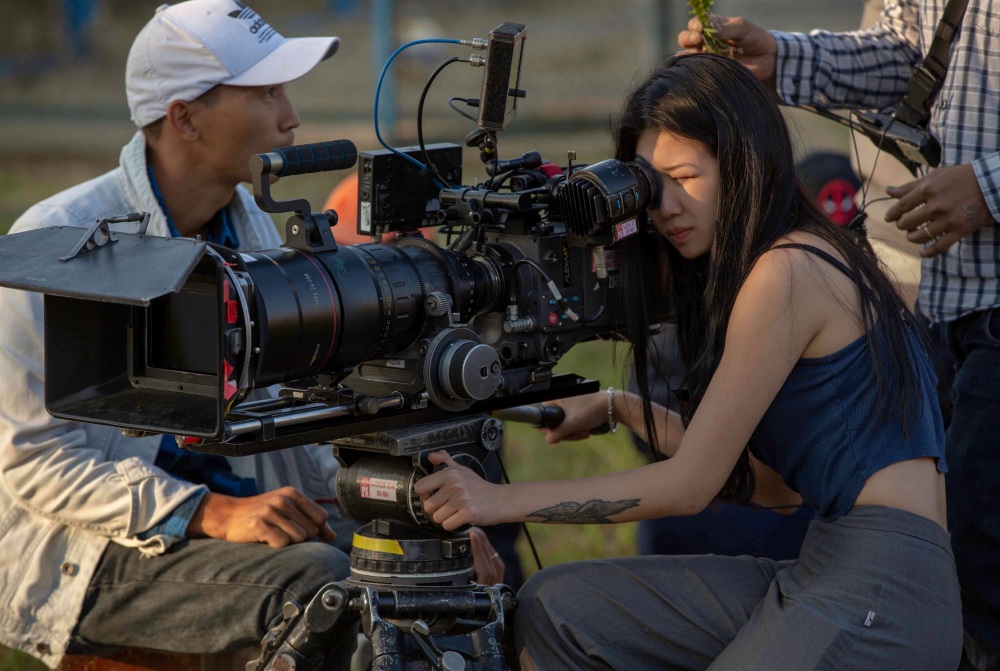
You’re a small person. How is it dealing with such a big camera and all the equipment?
“It’s heavy, but when you’re working and you’re passionate about it, you kind of forget it, and then it hits you later. My shoulder hurts most of the time, but when you’re doing it, you don’t really realise.”
Do women cinematographers bring something else to a film?
“Yes. As a woman living with a female body, you experience the world very differently than men do. Obviously in some ways we are more cautious of things around us. We might look more into details because we might be worried, like walking alone at night. You have to pay attention, whereas a man might not have to. I think little moments like that really define how we experience the world and how we observe it and therefore how we portray it in movies. People might call it the female gaze, but for me it’s like every person lives the world in their own way. But as women, we all have some common traits and experiences that define how we see things differently than men.”
Could you imagine doing a big action film?
“I would like to try. It would be different and maybe it wouldn’t be shot similarly. Of course, there are women who fight, and there are women who run after things. I grew up being a kind of a tomboy. (chuckles) I was very interested in cars, and I did martial arts when I was young. So, I think it would be fun. There would be a female way to experience these strong, action-packed films.”
We need more of that, because some of the male-oriented action films don’t have enough nuance.
“Yes. For me as a cinematographer, it’s really about trying out different things that fit the story. Stories come in different shapes and forms, and they deserve their own way of telling the story. It might not be what I would do over and over again, but I like to challenge myself with new things.”
What is it like living in Vietnam right now?
“In the past 30-40 years Vietnam has been rebuilding and my generation is the first to really approach art in a different way, because we can actually have the time and the mindset to think of other things than just basic survival.
“I think it’s a very interesting time in Vietnam right now, because everyone’s trying to find ways to express themselves and we have enough means to really pursue this kind of career, which is pretty new. It’s really exciting to see people try to redefine the narrative, because we’ve had so many movies made about The Vietnam War, and the perception of the world on Vietnam is still very much glued to those images. But the country has changed so much and there are a lot of young people who are now trying to redefine the stories there.”
What are you working on at the moment?
“I just finished a film called The Last Empress. It’s about the last queen of Vietnam.
“The film is set in the 1950s, so it’s an historical film. It’s really exciting that now we’re able to tell historical stories, because it wasn’t really the case before. We had very strong censorship in the past, but I think now that we’ve kind of stepped away enough, we’re starting to be able to make movies about the past without having too many political restrictions.”
How is it being in Cannes?
“It’s a nice experience to be recognised internationally and to meet everyone here, and to see the bigger picture.”
Is The Last Empress going to be an international film?
“They want to make it international, but obviously our industry is still growing. We have the arthouse films that go to festivals and aren’t received really well locally in terms of box office, and then there are the more mainstream films that do well in the Vietnamese box office but find it hard to be screened internationally. Though some films are shown in Australia or America. I shot a comedy called The 4 Rascals, directed by and starring Tran Thanh, which did have a few screenings in Australia. I’m not sure how it was received there, but it’s like the Vietnamese mainstream cinema right now. Still, we’re changing; we’re trying to improve it a lot. Our industry is still young, but it’s actually growing really fast. Our box office has been breaking records every year, which is rare at this time when everyone else is pulling back. We’re getting a lot of investment internationally into our market, not just in cinema. Overall, the country is getting a lot of attention, and that translates also into cinema. We have a lot of co-productions now and a lot of international productions come to Vietnam to shoot, because we have nice nature and it’s a lot cheaper.”
You now live in Ho Chi Minh City. How do people perceive you as a woman being successful in the film business?
“I’m officially the first female DP in Vietnam, so that’s a nice achievement. In the beginning, it was a lot about proving my strength and proving that I’m capable of carrying the equipment and all that, and it took a while for me to break into this job. I did get lucky, because at some point, this really famous DP in Vietnam needed a female operator to shoot intimate scenes for a series where the actress wanted only females in the room. So that gave me my first opportunity to work on a bigger production and I built on that.”
Your English is so good. How did that happen?
“I studied in New York and I started working in New York. But then during Covid I moved back to Vietnam.”
Why did you move back?
“Because it was safer there. The hate crime and everything in New York at the time was scary.”
Hate crime against Asians, because the Chinese supposedly started the pandemic?
“Yes. People were being pushed off trains and there were other scary things. I always wanted to move back to Vietnam, but I didn’t think it would be so soon. I wanted more experience before I came back.”
How long were you in New York?
“I was there for five years. I knew that as a woman, breaking into the industry in Vietnam would be very difficult. But luckily, I started somewhere else where it was more acceptable and that experience allowed me to work when I returned to Vietnam.”
Did the male cinematographers give you encouragement? Did they help you?
“No, not really. Honestly, it was very difficult. A lot of them told me I shouldn’t do this; it’s not really for you. I just happened to be very stubborn, so I kept pushing through the first few years. Vietnam is also a bit superstitious, so before me, women weren’t allowed to sit on the filming equipment, because apparently when we have our period, it’s bad luck.
“It was not just in the film industry, it was also, for example, for fisherwomen on boats. For some reason, that specific custom within the film industry stayed for a really long time, even when the rules for fisherwomen improved. But now even in the film industry it’s different. Things have changed a lot since I started working.”
There is a close association between Australia and Vietnam.
“The Vietnamese cinematographer, Bob Nguyen, just won the Milli Cinematographer of the Year award from the Australian Cinematographers Society [for film Ky Nam Inn]. There’s a large Vietnamese population in Australia and a lot of Vietnamese students go and study there. Actually, I’ve had a girl message me that, because of me, she’s now pursuing cinematography, and she went to study in Australia, in Melbourne, I believe. A lot of the Vietnamese people who are working professionally in Vietnam had studied abroad in Australia. The country is close and has the best English-speaking education that a lot of people can get. So, it’s pretty connected.”
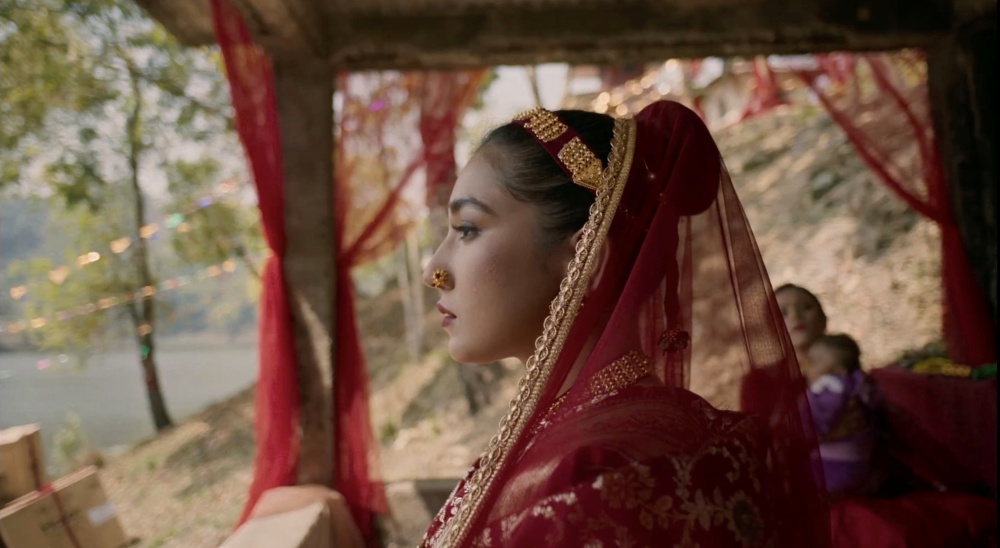
You worked with a male directing duo, Nam Kito and Bao Nhan, on The Last Empress.
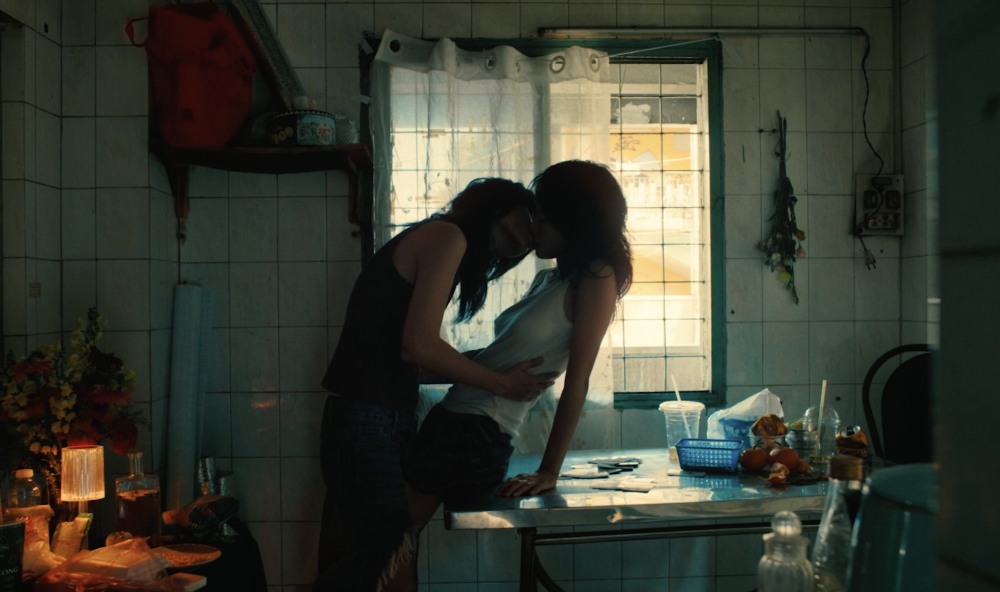
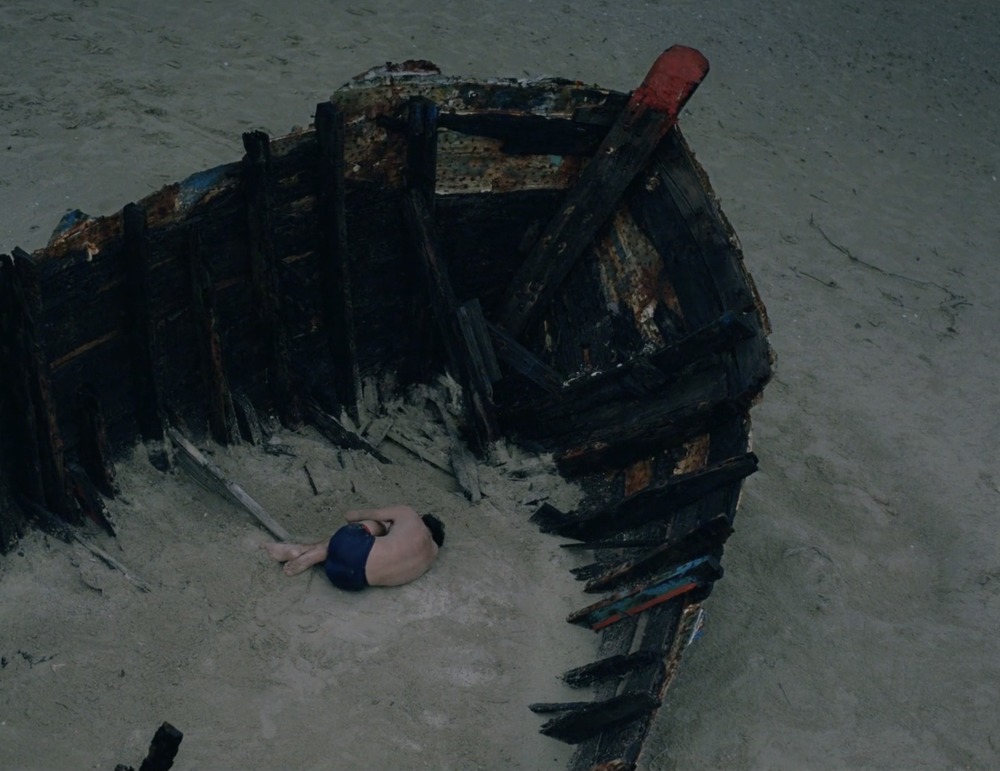
“Yes, out of my filmography, I only got to work with one female director, Sahara Sharma, on a feature film, My Share of Sky [above]. It’s a (Nepalese) film I shot in Nepal and it’s coming up for release there. (Her other prominent films which she doesn’t mention are the 2025 Vietnamese-US feature Picture House directed by Nguyen Vo Nghiem Minh; Marion Hill’s 2024 Vietnamese-US short film, Spring Will Come, and the 2020 Vietnamese feature Secrets of the Wind [below] directed by Nguyen Phan Quang Binh).
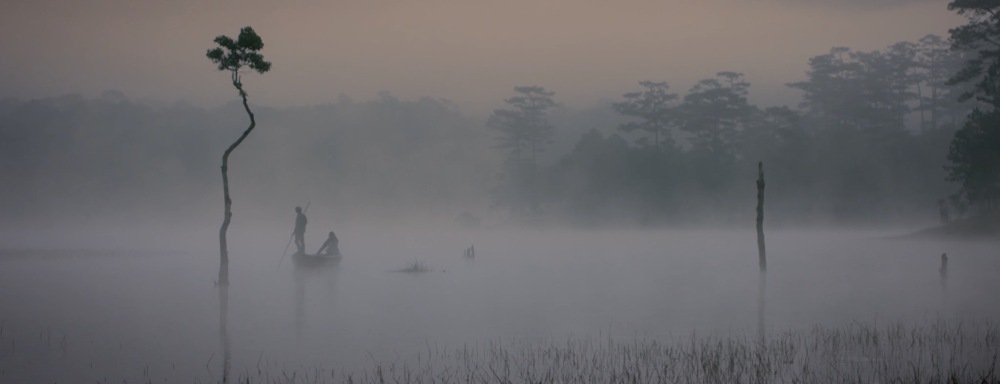
“I also shot Pham Ngoc Lan’s Cu Li Never Cries which premiered at the 2024 Berlin International Film Festival and won best first feature.
Did you go to Berlin?
“No, I couldn’t make it, which makes this Cannes award even more special and very cool. I never thought I could go to Cannes as a cinematographer, so it really is very encouraging.”
MOUTH OF A SHARK
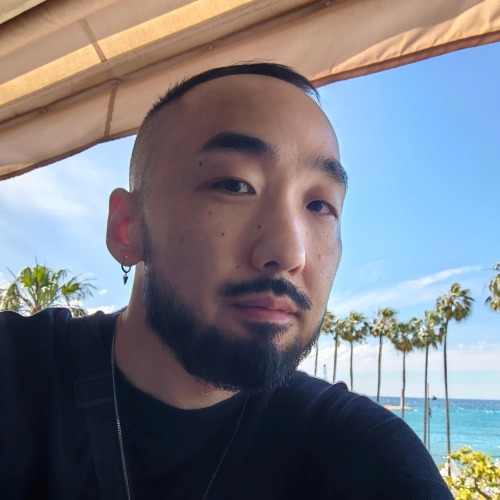 After Linh Dan Nguyen Phan mentioned that the German-Australian co-production was pitching in the Cannes’ Queer Palm Lab in our interview, I got in contact with the film’s Australian producer Andrew Undi Lee [left] who was born in Australia to South Korean emigrant parents. Vietnamese Frankfurt-based director Hong Anh Nguyen will be at the helm, and they are currently in talks for Dan to shoot the feature film, which is not about sharks. It is a family drama that they potentially plan to shoot in Vietnam and Germany.
“Although this is a German-Vietnamese film, we plan to use an Australian crew to create a film that the Asian diaspora audiences in Australia can relate to, regarding migration between Asia and Western countries, intergenerational conflict and queer identities,” Undi Lee says in Cannes, where he arrived with the support of Screen Australia.
“My history with Hong Anh Nguyen is that we met at the Palm Springs International Film Festival back in 2014. We connected because she lived in the Sydney suburb of Carlingford during high school, which is part of the city of Parramatta where I am from. So, we didn’t originally meet in Australia but bonded in North America because we are both queer and lived in Sydney’s western suburbs.
“She did, however, later move back to Australia in 2018. During this time, we developed the 2024 short film Saigon Kiss where I was the Australian producer and we shot the film in Vietnam after Covid, with our Vietnamese co-producer Nguyen Thi Xuan Trang. Saigon Kiss had a lot of success and won a special mention award from the Cannes Queer Palm Jury (in collaboration with the Clermont-Ferrand International Short Film Festival). So now we are continuing our collaboration on Mouth of a Shark.
“As an Australian filmmaker, I am actively engaging with the Asian region in creating collaborations between Australia, Asia and Europe. I go back and forth between Australia, Asia and Europe.”
Main image by ©Yeoseung Jin
