



by Lewis Khan
Creators are starting to decide what gets made. Not entirely. Not in every case. But often enough that it’s changing how projects get financed, packaged and picked up.
For a long time, the process was predictable. You develop a script, attach a cast, take it into a room, and someone decides if it moves forward. That still happens.
But it’s no longer the first decision. More and more, that decision is being made earlier, before the pitch, before the finance.
It’s being made by audiences.
The industry used to rely on signals. A strong script. A recognisable name. A genre that had worked before. All of it was trying to answer one question: will people watch this?
Now we’re seeing projects where that question has already been answered before anyone asks for money.
Take Bo Burnham. By the time Eighth Grade was made, he wasn’t an unknown voice. He had already built an audience that understood his perspective and showed up for it.
Or Issa Rae. She built an audience online before Insecure landed at HBO. The show didn’t create demand. It extended something that was already there.
A creator doesn’t just bring an idea into the room. They bring people who are already paying attention, choosing to spend time there, and likely to follow into whatever comes next. That changes the conversation. You’re not asking if something might connect. You’re looking at something that already has.
The industry still tends to bring creators in late, usually to promote a finished film. By that point, most of the risk has already been taken. The shift is earlier than that. Creators reduce uncertainty before a project is financed, not after it’s finished.
This doesn’t mean every film needs to come from a creator. But it does change what carries weight. The question is moving away from who’s in it, and toward whether anyone is already paying attention. That’s not theoretical. You can see it in how projects are being picked up.
You can see it locally as well. Projects with no early audience are getting harder to finance, while anything with visible traction moves faster through the system.
What used to be a private decision is now happening in public. You can watch something take hold. You can see when people start to care. And that signal moves faster than any development cycle. By the time a project reaches a platform, the audience may already exist.
For buyers, that changes the job. They’re not just assessing potential. They’re stepping into something that already has momentum and deciding whether it can scale.
For filmmakers, it’s a harder adjustment. Because it challenges a comfortable idea: that the film is where everything begins. More often now, it’s where everything converges. If nothing is happening before that, the film has to do all the work itself.
And that’s where a lot of projects stall. You can see the result in how many films arrive and barely register. Not because they’re poorly made, but because they enter the conversation too late. Attention has already moved on.
Studios and platforms still matter. They finance projects, distribute them, and give them reach. But they’re no longer the first filter. They come in once something has already started to move.
The greenlight hasn’t disappeared. It’s just moved.
Lewis Khan is a producer based in Sydney
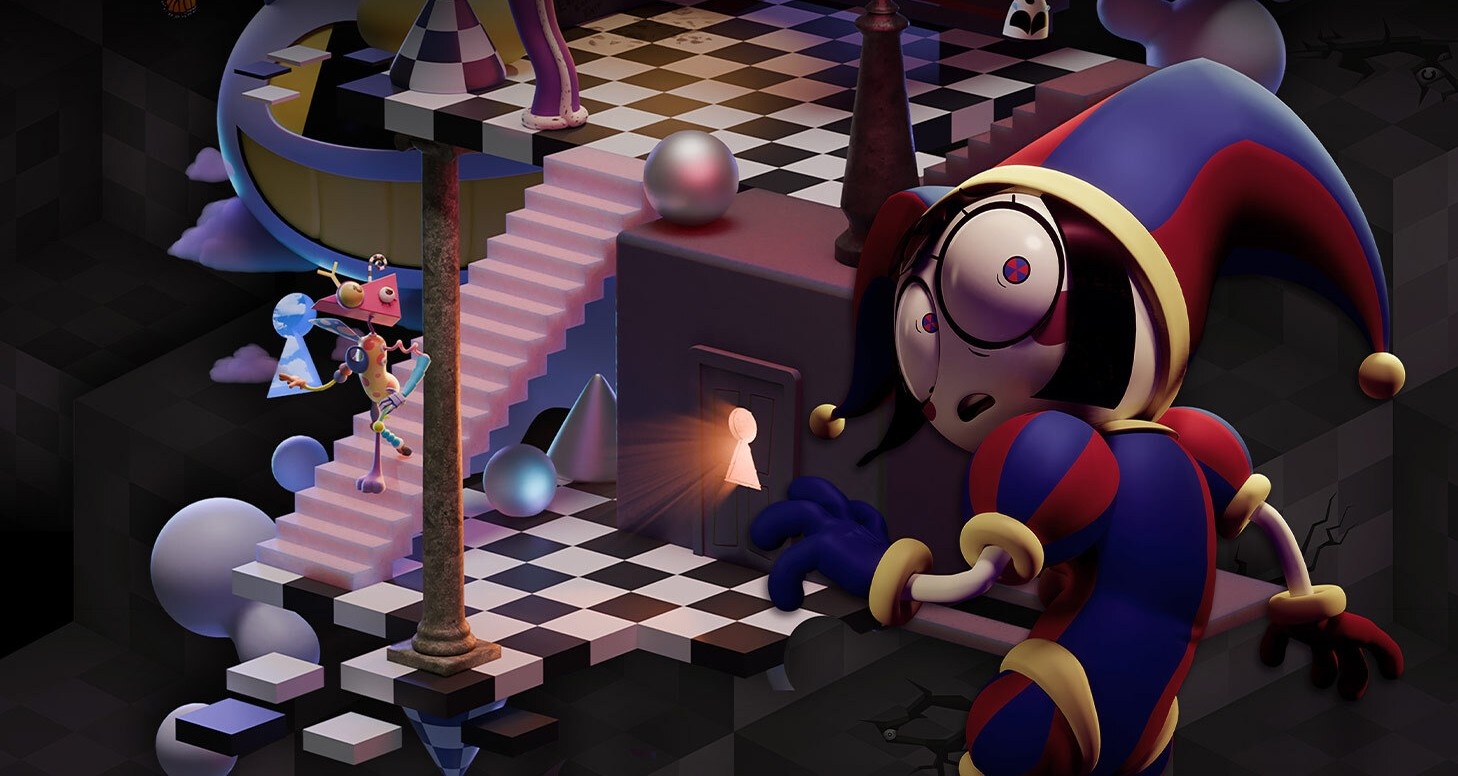
Image: The Amazing Digital Circus: The Last Act from Australia’s own Glitch Productions, which opens in cinemas June 2026
