

by Nataliia Serebriakova
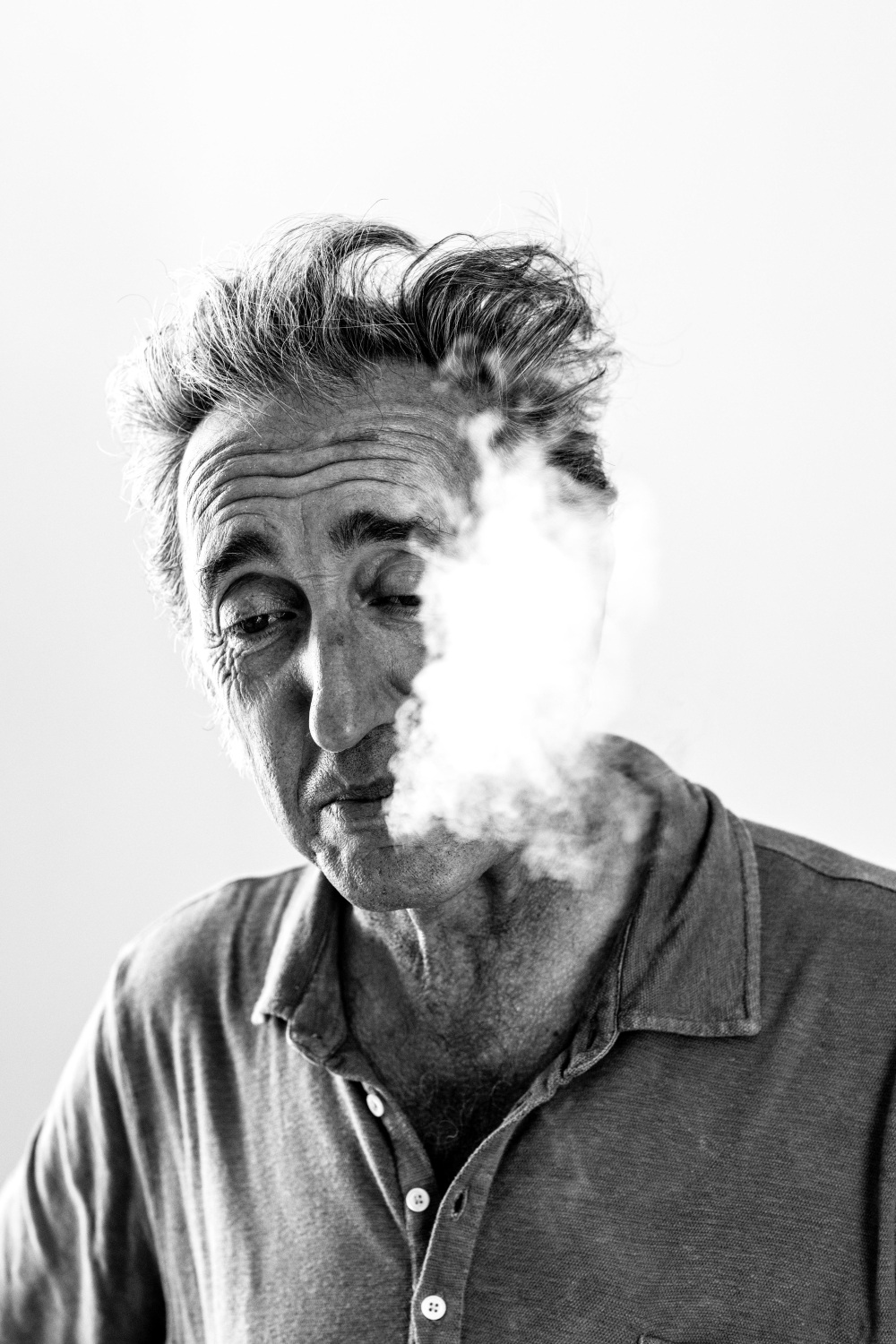
When asked why he chose to make a film about euthanasia, Sorrentino gives a clear and extended response: “Well, because the film draws inspiration from moral dilemmas and that is a central issue around which the film revolves. And I wanted to focus on how the president of a country who holds a position of great responsibility needs to tackle ethical themes, ethical issues. And among the most thorny and the most challenging ones is the one at the end of life. And if you graph that on top of a man who is of a certain age and is concerned about how his own life is going to end, I thought it would become a solid dramaturgical element.”
For Sorrentino, euthanasia is not treated as a political slogan but as a deeply human dilemma. By placing this issue in the hands of a president — a man entrusted with national responsibility — he creates a dual tension: public decision versus private fear. The character’s age is not incidental; it intensifies the drama. The question of how to legislate the end of life becomes inseparable from anxiety about one’s own mortality.
A Nostalgic President in a Cynical Age
The president in La Grazia feels almost nostalgic — a trustworthy elder statesman at a time when global politics often seems dominated by reckless personalities. Sorrentino does not reject that interpretation. “Well, of course. If the world were led by people such as our president, who has an idea of politics that is based on wisdom, on using intelligence and doubt and common sense, the world would definitely be a much better place. That kind of politician was there in the past, but it’s as if it had gone out of fashion these days. And it’s as if people like him no longer work in politics, but they work in other areas. And therefore, we’re finding ourselves with a world that’s in the hands of people who seem to use politics as opposed to seeing it as a wonderful tool that is in the service of the common good.”
The remark carries both irony and melancholy. Sorrentino suggests that politics has drifted away from wisdom and toward spectacle. His fictional president represents not naïveté, but a longing for politics as a moral vocation rather than a vehicle for ego.
A Shift in Style
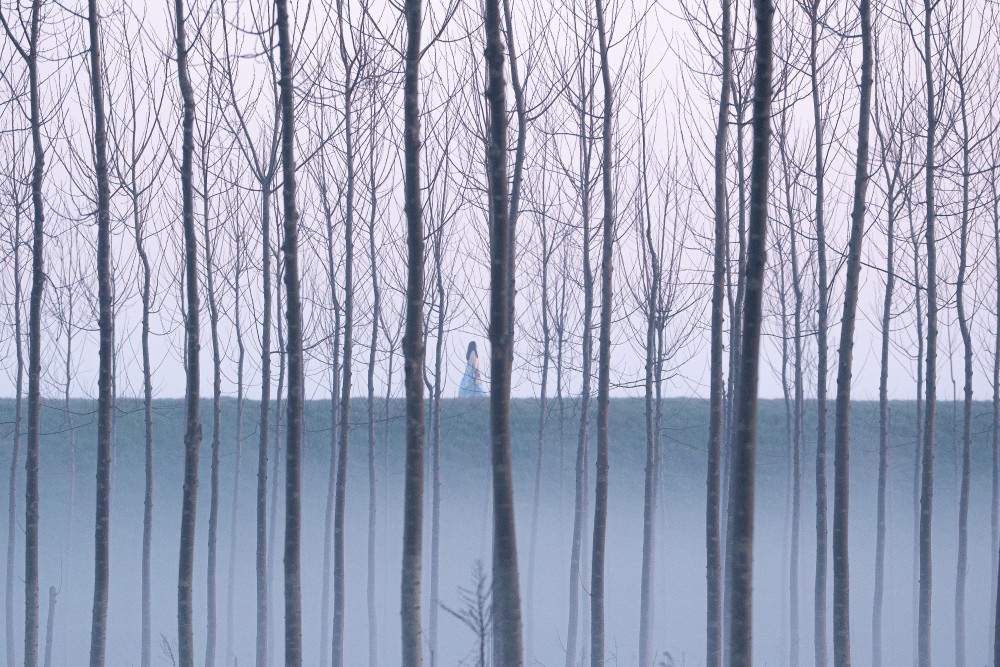
Stylistically, La Grazia feels more restrained than some of Sorrentino’s previous work. The director agrees that this was intentional. “It’s a type of character and a type of story where at the core there’s moral dilemmas. And therefore, I didn’t need to have a style that would be cumbersome or that would be at the forefront. It’s to some extent a classical approach to filmmaking and style.”
In other words, the visual language deliberately recedes. Instead of flamboyant aesthetics, Sorrentino opts for clarity and classical composition, allowing the ethical conflict to remain central. The film’s style follows the moral weight of its protagonist rather than competing with it.
Generational Dialogue and the Fear of Nostalgia
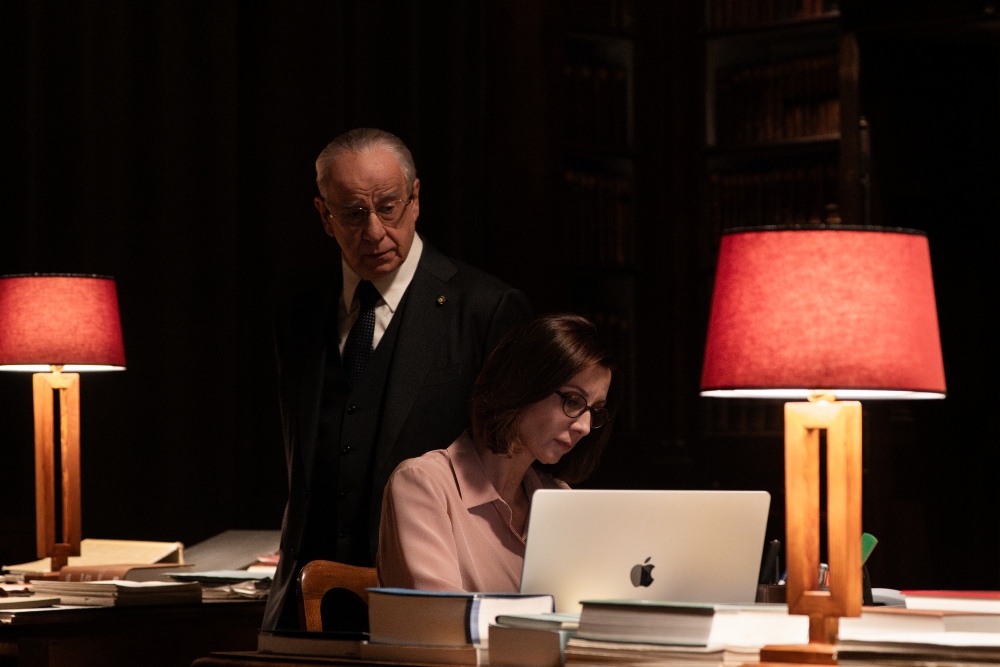
A crucial element in the film is the president’s relationship with his daughter. Asked about the importance of staying connected to younger generations, Sorrentino responds with one of his longest reflections. “Well, I believe it is fundamental and very hard at the same time, because as people become older, I can definitely say that about myself. But in general, I think it can be true of many people. They tend to sort of find shelter in a vision of the past that’s imaginary or that’s idealised, and they see it as much more splendid and joyful compared to the present. And yet, they should make an effort, on the contrary, to fully understand the present, arming themselves with an attitude based on being humble and patient and listening to the younger generation, trying to fully see their reasons, even when they seem a little odd, because they’re the result of that raw, unbridled energy which is characteristic of youth. But it’s the only way not to fall prey to a sort of underlying creeping depression. And the only key to free themselves of that is to fully understand young people.”
This statement reframes the generational divide not as conflict but as survival. For Sorrentino, idealising the past is a psychological trap. Understanding youth — even when it feels chaotic or irrational — becomes a moral and emotional necessity.
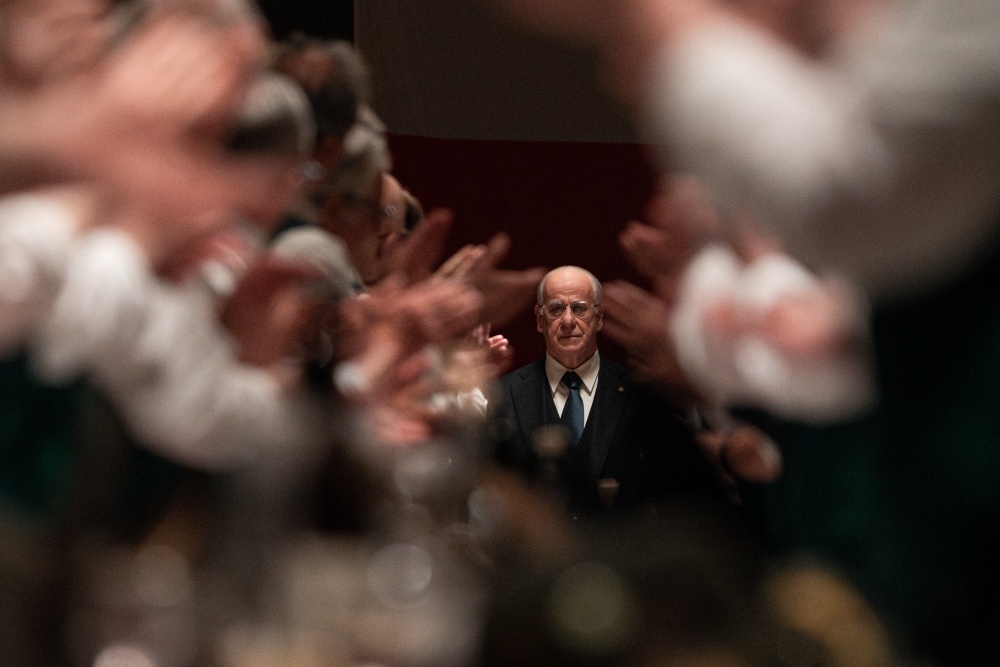
Music as Inner Turmoil
The conversation turns to music – the tension in the film between exterior composure and interior unrest. Sorrentino confirms that music plays a crucial psychological role. “Yes, this is an idea that came at a later stage, but indeed that’s how it is. Music often represents the inner turmoil of the character. It is true.”
In La Grazia, composed faces conceal emotional storms. Music becomes the invisible nervous system of the narrative — the sound of doubt beneath authority.
This connects to another intriguing detail: the president listens to rap music. When asked what this hobby represents, Sorrentino explained: “It’s part of this president’s effort to try to understand the present as opposed to sheltering himself in the past. Rap is the music of today and it’s closer to his daughter than to him. And he tries to fully understand it.”
Rap, therefore, is not a gimmick but a gesture — an attempt by an aging leader to resist nostalgia and engage with the contemporary world.
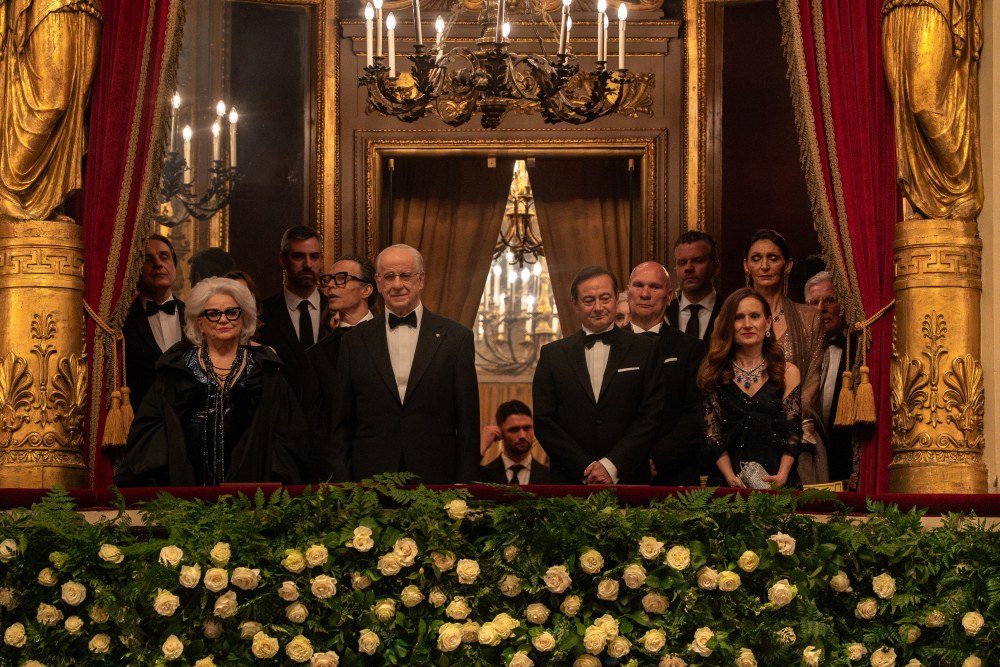
Not a Political Trilogy
Because Sorrentino previously portrayed political figures in Il Divo and Loro, he’s asked whether La Grazia completes a thematic trilogy. His answer is direct: “No, no, no. I never thought that in life I would make a trilogy, so to speak. It’s a sick coincidence that, you know, for three times I had as protagonists politicians, but there isn’t a deep desire to say something broader or more complex on this kind of figure. So it’s truly a coincidence.”
For him, the recurrence of political protagonists is circumstantial rather than programmatic. There is no grand thesis on power — only distinct stories shaped by different moral questions.
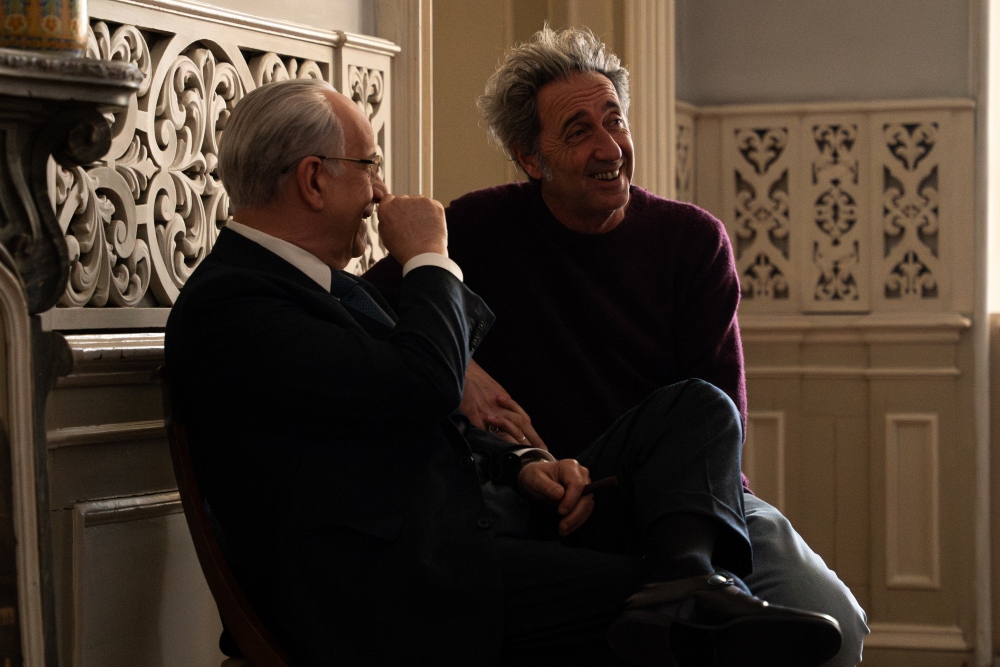
The Ongoing Collaboration with Toni Servillo
Finally, Sorrentino addresses his enduring collaboration with Toni Servillo, who once again embodies political authority on screen. Asked whether casting him was always the plan and how their working relationship has evolved, Sorrentino answers at length: “Yes, I did have Tony in mind from the start because I really enjoy working with him. And I must say that it is not a relationship that has evolved, so to speak, because it was a very, very happy relationship from the get go. We’ve always got along very well. We’ve never fought. We like to laugh about the same things. There’s other things that we’re very different with. But I know how to understand his adversity and he knows how to understand and respect mine. So we accept each other. And it has been this way from the very beginning, I must say.”
Their collaboration, he suggests, is not built on dramatic reinvention but on mutual understanding and respect. It is a stable creative partnership — a quiet counterpoint to the instability explored within the film itself.
Grace Under Pressure
In the end, La Grazia emerges from this conversation as a meditation on responsibility, aging, and the moral solitude of leadership. Sorrentino does not present politics as spectacle but as burden. His president is neither saint nor caricature, but a man navigating doubt — about law, about life, about youth, and about his own inevitable end.
La Grazia is streaming now on Mubi
La Grazia can be viewed by taking up our exclusive 30 day free trial with Mubi.
Main photo by Avedon
