


by Solange Aarons
There’s a quiet moment in almost every great film where you catch yourself hoping the villain gets away with it. You know it’s wrong. You know the story is supposed to belong to someone else. But the pull is undeniable — and it’s not a character flaw in the audience. It’s exceptional filmmaking doing exactly what it was designed to do.
The most enduring cinema doesn’t ask you to admire heroes. It asks you to understand monsters. And sometimes, understanding tips over into something that looks dangerously like sympathy.
Betting on the bad guy: how audiences signal loyalty
Audience behaviour tells us something interesting. Online communities, fan forums, and cultural discourse consistently rally around antagonists in ways that outpace devotion to protagonists. Loki generated more passionate fandom than any hero in the same Marvel films. Joe Goldberg from You attracted viewers who openly acknowledged rooting for a stalker while being fully aware of what he was.
This kind of engagement mirrors something observed in entirely different entertainment contexts. Players drawn to best crypto casinos Australia platforms, for instance, are often drawn by the same psychological pull — the appeal of operating at the edge of expectation, where the outcome isn’t safely guaranteed. Risk, moral ambiguity, and charisma operate across entertainment formats in strikingly similar ways.
The pattern is consistent: audiences don’t simply consume stories. They negotiate their loyalties actively, often choosing the character who breaks rules over the one who enforces them.
Villains reveal what heroes can’t
Heroes are constrained by expectation. They must be brave, principled, and ultimately redemptive. Villains carry no such burden, which gives writers extraordinary freedom to explore the parts of human nature that protagonists can’t touch without losing audience goodwill.
Think of Henry Hill in Goodfellas — a man who betrays everyone around him, yet narrates his own downfall with infectious enthusiasm. The audience isn’t meant to approve. But they’re absolutely meant to feel his world’s seductive pull. That tension between moral repulsion and emotional investment is where the best cinema lives.
When screenwriters quietly swap the moral compass
Skilled screenwriters understand that moral clarity can be the enemy of compelling drama. Films like Gone Girl and the Star Wars prequel trilogy don’t just present morally complex characters — they quietly shift where the audience’s emotional allegiance sits, often without the viewer noticing until it’s too late.
Amy Dunne is calculating, manipulative, and dangerous. She’s also the most alive character in her film. Anakin Skywalker’s fall is written so that audiences grieve it rather than condemn it. This is intentional craft — backstory and charisma deployed as tools to rewire loyalty. When it works, the effect lingers long after the credits roll.
The films that proved rooting against the hero works
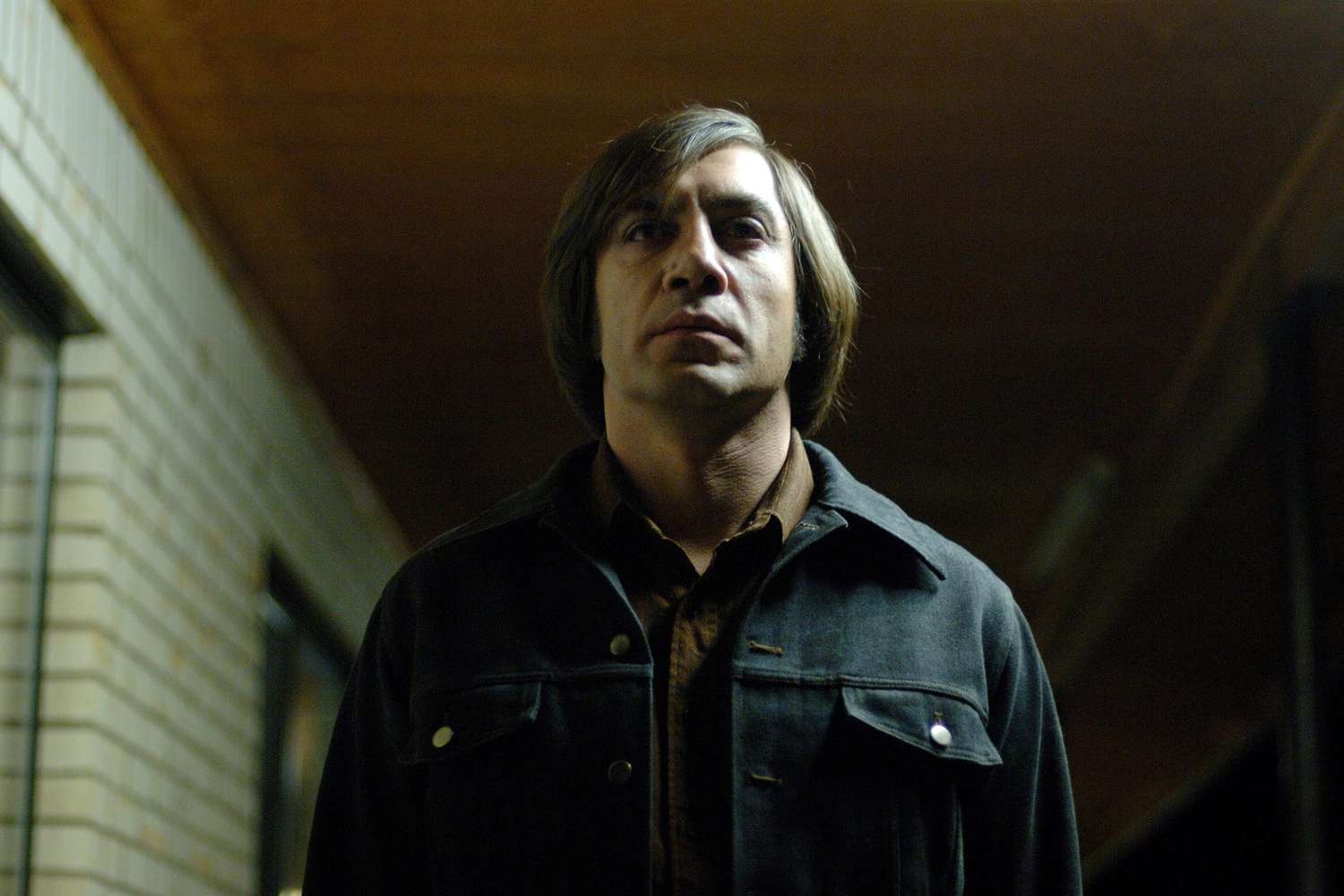
No Country for Old Men is the clearest modern example. Anton Chigurh is methodical, remorseless, and almost entirely without motive that the audience can rationalise. Yet viewers track his scenes with more intensity than those of the nominal protagonist. The Coen Brothers understood that dread can be more gripping than hope.
Parasite performs a similar trick across its full runtime, gradually moving the audience’s loyalty through multiple characters until it becomes impossible to identify a clean moral home. This is what separates genuinely great cinema from competent storytelling — the willingness to make the audience uncomfortable about their own sympathies.
The villain who earns your secret loyalty isn’t a failure of moral storytelling. They’re proof that cinema, at its best, refuses to make things simple. The films we remember longest are almost never the ones where good triumphed cleanly — they’re the ones where we weren’t entirely sure we wanted it to.
