



by Gene Faulkner
There’s something irresistible about watching characters walk a tightrope between fortune and failure. Whether it’s the subtle calculation at a poker table or the meticulously planned chaos of a heist, films have always been drawn to stories where risk and reward hang in the balance.
Strategy isn’t just for gamblers—it’s a tool for survival, triumph, and transformation. Movies use bluffing, probability, and tactical thinking to raise stakes, reveal character flaws, and pull us to the edge of our seats.
This article unpacks how cinema weaves strategic thinking into unforgettable moments and why audiences keep coming back for another roll of the dice.
The allure of strategy and risk in film: why we love a good gamble
There’s something magnetic about watching characters walk the razor’s edge between triumph and disaster. We lean forward when the stakes are high and every decision could mean fortune or ruin.
Whether it’s a silent showdown across a poker table, a grandmaster plotting moves on a chessboard, or a crew tiptoeing through laser grids in a heist, these moments pull us in because they mirror real-life uncertainty—only with flashier odds.
What keeps audiences coming back is that sense of unpredictability. Unlike pure action or fantasy, films centred around strategy and risk rely on the intelligence and nerve of their protagonists. We’re invited to play along, analysing tells, guessing motives, and testing our instincts against those on screen.
This genre taps into a basic human thrill: the challenge of outsmarting fate. Even when the chips are down, hope hangs in the air. That tension makes every victory sweeter and every twist more gut-wrenching.
If you’re interested in learning how professional bettors and strategists approach similar challenges offscreen, Smart Betting Guide offers practical tips for navigating risk—both at the tables and in life’s bigger decisions.
Ultimately, films about strategy don’t just entertain—they remind us how exhilarating it feels when everything hangs on one brilliant move.
Iconic movies where strategy takes centre stage
Some of the most gripping moments in film history happen when characters bet everything on a clever plan or a well-timed bluff.
Strategy-driven stories hook us because they give us front-row seats to high-stakes games where intelligence and nerve matter more than luck.
From smoky poker rooms to intricate heists, these films challenge audiences to guess what’s coming next—and reward those who spot the subtle clues before anyone else does.
Poker faces: gambling and game theory on film
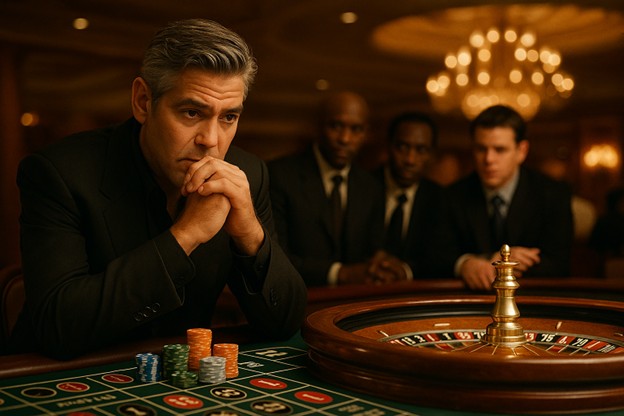
Movies like Rounders and Casino Royale thrive on the tension of poker, where every glance and gesture can tip the scales between fortune and failure.
The real magic isn’t just in the cards—it’s in how filmmakers capture the psychological warfare happening at the table. In Molly’s Game, for example, viewers get a ringside view of players sizing each other up, searching for weakness with every bet.
These films often highlight concepts from game theory—bluffing, reading opponents, managing risk—that anyone who’s played cards recognises instantly. The best entries in this genre aren’t about who holds the best hand; they’re about who plays their cards with confidence, misdirection, and nerve.
What makes these stories stick is how they show that winning often comes down to knowing people as well as numbers—a lesson that resonates far beyond the casino floor.
Heists, cons, and masterminds: the art of outwitting the odds
If there’s one genre that turns strategy into spectacle, it’s the heist film. Classics like The Sting set a standard for clever plot twists and double-crosses. More recent hits like Ocean’s Eleven blend charm with tactical planning, letting audiences enjoy both the anticipation of a big payoff and the thrill of seeing every detail fall into place.
What I find fascinating is how these films make complexity accessible. Each team member brings unique skills—safecrackers, con artists, getaway drivers—and their success depends on tight coordination under pressure. There’s something universally satisfying about watching a meticulously crafted plan unfold against impossible odds.
Heist Film Popularity: A 2024 analysis from TMFF highlights how viewers have consistently favoured heist films for their complex stories and engaging characters, confirming the genre’s long-lasting allure and its ability to capture audience attention through suspense and strategic plotting.
The draw isn’t just about stealing riches—it’s about brains over brawn, improvising under fire, and staying cool when everything hangs by a thread. That blend of suspense and smart problem-solving keeps this genre timeless.
Beyond the table: strategy in sports, war, and survival films
Strategy isn’t just the domain of casino floors or poker showdowns. Some of the most gripping movies pull us into locker rooms, battlefields, and harsh wilderness where tactical thinking means everything.
Filmmakers have always known that audiences crave stories where planning, risk, and resourcefulness shape the outcome. In sports dramas, it’s not only about physical prowess—it’s about reading opponents and making split-second calls. War epics let us witness generals weighing sacrifice against reward under impossible pressure. Survival thrillers strip away comfort and force characters to think ten moves ahead just to stay alive.
The reason these films resonate is simple: when faced with adversity, we’re fascinated by how someone can change their fate through intellect alone. The tension that comes from every choice—on a field, in a foxhole, or stranded in the wild—keeps us glued to the screen.
Sports movies: coaching, playbooks, and the psychology of winning
The best sports films rarely focus solely on raw talent. Instead, they zero in on what happens when coaches push athletes beyond their limits using psychological tactics and relentless discipline.
Take Moneyball, where data replaces tradition and the Oakland A’s outsmart bigger teams by exploiting market inefficiencies. Or Remember the Titans, which shows how building trust and unity becomes its own strategic weapon. Even classic boxing movies like Rocky highlight preparation as much as brute strength—training montages aren’t just for show; they signal mental resolve.
What stands out is how these movies use real-world coaching techniques—visualisation, mind games, even deception—to create drama. Viewers recognise these strategies from their own lives: reading people at work or anticipating an opponent’s next move in Sunday football. That connection makes every buzzer-beater or last-second goal more meaningful.
War rooms and survival: tactical genius under pressure
War and survival films offer a different flavour of strategic suspense—one where lives depend on tough decisions made in moments of chaos.
Classics like Saving Private Ryan put us inside command tents where leaders must balance orders with moral judgment. More recent titles like Dunkirk capture split-second improvisation as soldiers scramble to adapt plans on the fly. Survival stories such as The Revenant test ingenuity against nature itself—every small victory is earned through planning ahead or exploiting a fleeting opportunity.
While direct data for war and survival films is limited, recent coverage from Substream Magazine (2024) shows that strategy-driven plots—such as those in casino and heist movies—capture intense viewer interest, suggesting a broader appeal for strategic storytelling in high-stakes genres.
No matter the setting—a battlefield map or snowy wilderness—the core draw remains unchanged: we want to see who can keep their head clear when everything’s on the line.
How movies teach us to think strategically
Great films don’t just sweep us up in the action—they leave us questioning how we’d handle risk, uncertainty, and big decisions ourselves.
Strategy-focused movies tap into something primal: our desire to outthink problems and anticipate the next move. Watching a character bluff their way out of trouble or weigh odds under pressure draws us into their mindset, teaching us about more than just plot twists.
It’s not just about entertainment. These stories often mirror dilemmas we face—trusting instincts, reading subtle cues, or choosing when to take a gamble. As viewers, we pick up on these patterns, learning how calm reasoning and quick adaptation can tip the odds in our favour in real life.
Reading the room: psychology and body language on screen
Movies excel at showing those small moments when someone’s guard slips—the twitch of an eyebrow, a nervous shuffle of cards, or a sidelong glance that says more than words ever could.
Take classic poker scenes or tense business negotiations. Directors use close-ups and lingering shots to highlight every micro-expression. This draws audiences into the subtle chess match of reading tells and deciphering intent.
The best strategy films teach viewers to look beyond what’s spoken. They model how to watch for patterns and pick up on inconsistencies—skills that translate well outside the theatre. Whether you’re negotiating a contract or reading a room during a pitch, knowing how to interpret body language can give you an edge.
I’ve found myself applying these lessons without thinking—spotting when someone’s uncertain or noticing when confidence is just a front. It’s proof that good storytelling sharpens not only our instincts but also our everyday interactions.
From screen to life: applying cinematic strategy to real-world decisions
The smartest characters on film rarely rely on luck alone—they plan ahead, adapt quickly, and know when patience pays off. It’s easy to draw inspiration from these stories when facing tough choices at work or in life.
Viewers often find themselves thinking more strategically after watching movies centred on risk and reward. Maybe it’s weighing the odds before committing to a big project or staying calm under pressure during negotiations. The core lessons—reading people, managing uncertainty, keeping options open—are as useful in boardrooms as they are at card tables.
A 2023 behavioural science study published in Social Science Computer Review found that frequent media exposure is linked to greater willingness to take calculated risks and adapt decision-making styles—demonstrating that film narratives can subtly influence real-life attitudes toward risk and strategy. This research highlights why strategic stories resonate so deeply: they nudge us toward smarter choices long after the credits roll.
Why cinematic strategy keeps us coming back
Strategy-driven films stick with us because they blend intellect with emotion, turning every risk and reward into a story we can feel.
Whether we’re watching a last-minute chess move or a flawlessly executed heist, these moments remind us how much rides on nerve and timing.
What keeps viewers hooked isn’t just the clever plotting—it’s seeing characters gamble everything, often against impossible odds, and sometimes win by outsmarting fate itself.
That mix of tension, hope, and ingenuity ensures that our fascination with on-screen strategy will never lose its grip.
