


by Dov Kornits
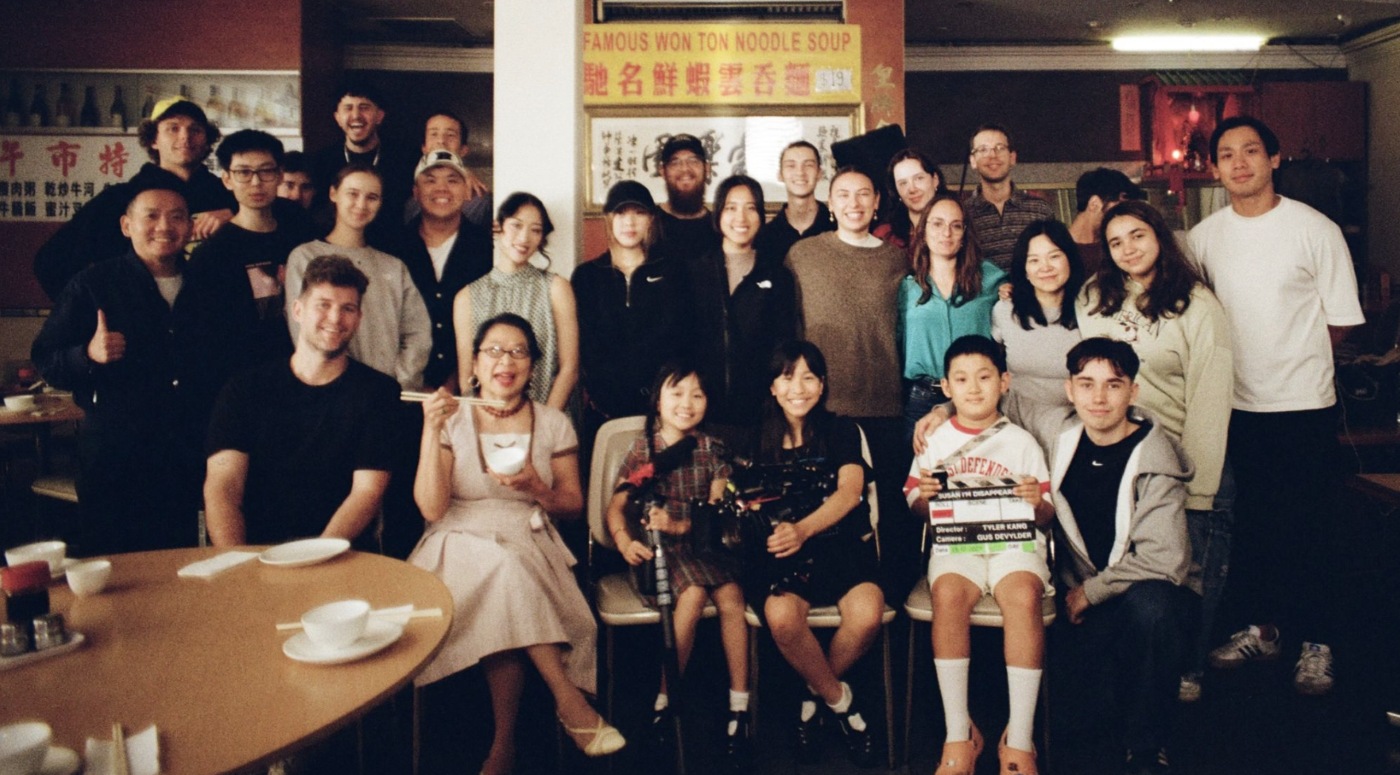
Striking young talent Tyler Kang is an emerging filmmaker who has explored themes of Asian-Australian cultural identity with his short films Fenômeno Boy, Chinatown’s Last Emperor and now, his most ambitious and affecting film, hybrid documentary Susan I’m Disappearing.
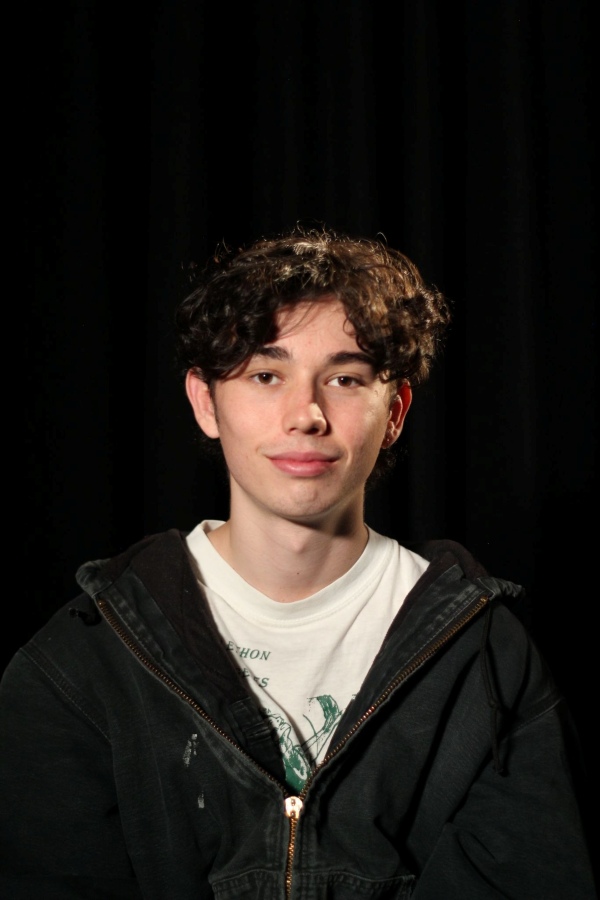 “I came straight from high school after making a couple of films in Year 12,” Tyler Kang tells FilmInk of his Bachelor of Arts Screen: Production course at the Australian Film, Television and Radio School (AFTRS). “I was looking at Australian film school or university options. AFTRS really encourages generalists and exploration of different roles. I wasn’t so certain of exactly what medium I wanted to work in or what role I wanted to commit to, and AFTRS let me explore that. And then I got to practice within all these different disciplines, and I could really find what I enjoyed about the craft and what I didn’t. That initial generalist aspect was the main calling point for me.”
Aged in just his early twenties, Tyler Kang is passionate about telling stories of Asian-Australian experiences that connect with audiences on a universal level. “As a filmmaker, I am fascinated by the crossover between Asian and Australian culture in my life and the world around me,” Kang says. “I want to use the film medium to bring stories of the Asian-Australian diaspora, community and culture to life. I want to broaden the scope of Australian cinema, giving voice to stories and characters that Australia has never seen on screen before.”
Does everyone at AFTRS want to be a director?
“There are definitely a lot more directors to start with than to end with. The school is very encouraging of people that want to be directors, but in those first years, they do challenge them to try out different roles that they probably wouldn’t have had exposure to before. So many people find these different pathways. During the semester, there are different classes in each discipline, which forces every student to try out a bit of everything … sound design, editing, writing, cinematography, production design … you have to give it all a try. It encourages you to explore different mediums to find your voice.”
People’s ideas change?
“Obviously, many people come in with their own expectations about making feature fiction films. But when you start with a 90-second silent film with only one shot, and then a short documentary, a mini-series, and then a grad project, where it can be whatever medium, it really allows you to explore these different formats of telling a story. That appealed to me from the outset because I was leaning towards fiction, but I’ve now come out of it wanting to make docos. I fell in love with the process of working within communities in the real world. There are so many challenges and rewards that come with that.”
How did your latest film, the beautiful and affecting Susan, I’m Disappearing, come about?
“It all started with a documentary I made in the second year of AFTRS called Chinatown’s Last Emperor. That was selected to screen on SBS.
“Susan was one of three interviewees for that film, which was more of a historical talking heads memory piece about Chinatown. I was very inspired by Susan’s interview and by the emotional core of what she was getting at with her childhood memories. Because Chinatown’s Last Emperor was quite a traditional documentary, I wasn’t able to fully capture the magic of Susan’s childhood.
“I found the world of hybrid doco was a way to capture those really personal, magical stories of growing up in Chinatown. It came out of a long relationship with Susan, which started with the second-year documentary, Chinatown’s Last Emperor, and slowly evolved into the final year project Susan I’m Disappearing.
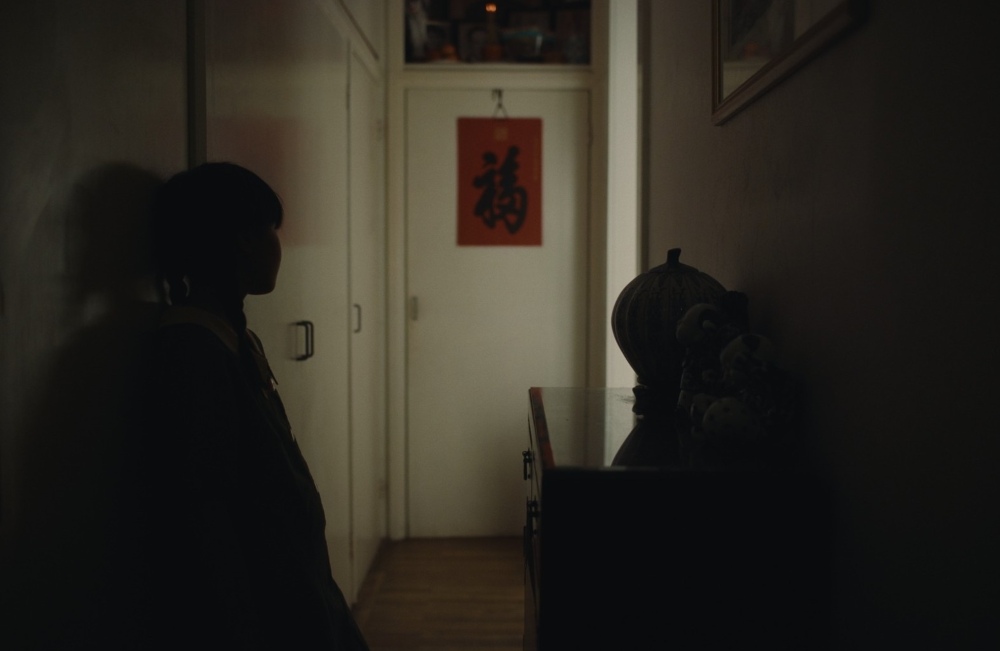
“At AFTRS, there are these different projects that you venture into, there was just the natural throughline, which allowed me to develop a much more a long-term project with this community of Chinatown. At AFTRS, you can feed projects into other projects, and that was very beneficial for me.”
Susan, I’m Disappearing is a really ambitious work … are there people at AFTRS that you can talk to about it as you’re making it?
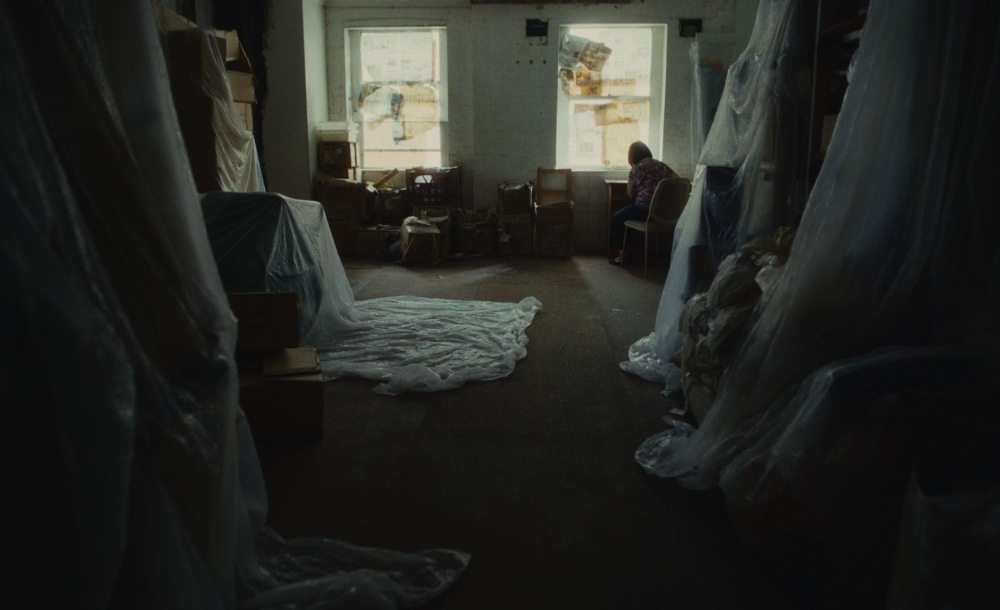
“Yeah, definitely, but you are also thrown into the deep end, but that’s the best way of learning for me. I chose documentary as an elective, and I had a wonderful teacher, Kate Blackmore. We had a very small class about the mediums and genres within documentary and how limitless documentary is as a form and how you can feature acting and written scenes based on real stories and intertwine it all to come under this umbrella of what documentary can be. Those lessons opened my eyes to the possibility of how we can capture Susan’s story in creative ways outside of just interview. It was also just a great project to challenge me and the crew to try and tell a story within a historical period and to work with kids. It was all part of this learning experience. AFTRS wanted us to play with form outside of the traditional expectations of what documentary could be.”
Where do you want to go with your filmmaking?
“I want to keep playing in this documentary space. I’d love to keep working on overlooked subjects, like Asian Australian histories. I would like to stay involved with that collaborative documentary making process, where you take a step back as the director and listen to the community. We want to tell their story. That’s where I want to head. I just finished an internship at ABC in the documentary and factual unit, and that was also through AFTRS. They offer 10 internships and you can apply to them in your final year. That opened my eyes too.”
Does AFTRS address social media/vertical filmmaking and similar emerging formats, or is it more about guiding you toward feature films?
“The rise of social media filmmaking has provided most of the freelance jobs that come up. You can definitely apply a lot of the craft skills that we learned at AFTRS into these social content jobs. It’s the same filmmaking process, it’s just at a different scale. AFTRS brought in industry guests, for instance, who worked in vertical TikTok series, and it was really exciting to see that side of it, which is obviously a very new space. We also had to write an episode each for a vertical TikTok series. There’s definitely exposure to that world, and they leave us in a good spot to take these craft skills into whatever medium or whatever output could work.”
What’s happening with Susan I’m Disappearing?
“We’re currently submitting it to festivals. We’ll see how it goes…fingers crossed. We’ll organise a private screening for the Chinatown community as a first step for Susan’s family. But we’re hoping for some festival success soon!”
AFTRS Open Day is on 8 August 2026. Head here for more information.
