



by Sam Addams
I do, and I’m tired of pretending I don’t.
When Timothee Chalamet spoke candidly about the realities of pursuing theatre, ballet, opera, and other performance arts, the reaction was immediate.
The internet was loud and quick to dismiss his remarks as malicious, arrogant, ignorant, and overly negative. There’s no denying these claims.
Sure, it came from a pompous commercial actor speaking from a high chair, singing praises about how much better cinema is.
However, I can’t help but feel that most of the internet was quick to lick the wounds and throw stones at someone who was merely voicing a rather valid opinion. Heck, not an opinion even, but a simple personal preference of performance medium.
But why did this event make waves the way it did? Was there a button no one dared to push until now?
What Chalamet said matters because it did not come from someone with no understanding of the industry.
It came from a trained actor with a background in performance, someone who understands the amount of work, discipline, sacrifice, and financial uncertainty required to survive in creative fields.
For people who grew up loving the arts, his comments probably felt familiar.
The Person Saying It Matters
There is a difference between criticising the arts from the outside and speaking about them from lived experience.
Chalamet did not come from nowhere. His credibility stems from years of formal training and live performance.
He played Chaz in the Off-Broadway play Prodigal Son (2016), portrayed Tranio in The Taming of the Shrew (2014) with the New York Public Theater, and participated in early workshops for Billy Elliot: The Musical, where he trained in dance.
These experiences gave him firsthand insight into the rigour, discipline, and challenges of theatre, ballet, and performance arts, grounding his observations in lived experience.
Before becoming a major film actor, he trained seriously and spent years working within systems that reward talent unevenly.
Theatre practitioners, dancers, opera singers, and musicians know that talent alone is rarely enough.
The reality is uncomfortable. Many people spend years mastering a craft, only to discover that the field offers low pay, unstable opportunities, limited institutional support, and enormous pressure to remain visible.
In ballet and opera, especially, artists often dedicate their youth to training for careers that may never provide financial stability.
That does not mean the arts are worthless. It means the people inside these industries are tired of pretending passion automatically pays the bills.
Why So Many People Relate to It
Part of the reason Chalamet’s comments resonated is that they reflected something that artists rarely feel allowed to admit.
As someone who has been part of theatre productions and has had many talks about the profession and vocation, I can tell you that they sound no different behind the stage.
There is a silent expectation in creative industries that if you complain, you are perceived as ungrateful. If you point out unfair pay, gatekeeping, nepotism, elitism, or burnout, people may accuse you of lacking passion.
But loving something does not mean ignoring its flaws.
A ballet dancer can love ballet while admitting the profession is physically punishing and financially unstable.
An opera singer can adore the art form while recognising how inaccessible the industry has become for people without money, family support, or connections.
For many people, Chalamet’s words validated frustrations they have carried for years.
There are aspiring performers working two or three jobs just to afford lessons, costumes, auditions, and travel expenses.
Some artists have delayed starting families, buying homes, or planning for retirement because their careers remain unpredictable.
Some people feel trapped between pursuing the thing they love and acknowledging that the system around it is not sustainable.
That tension is real, and pretending otherwise helps nobody.
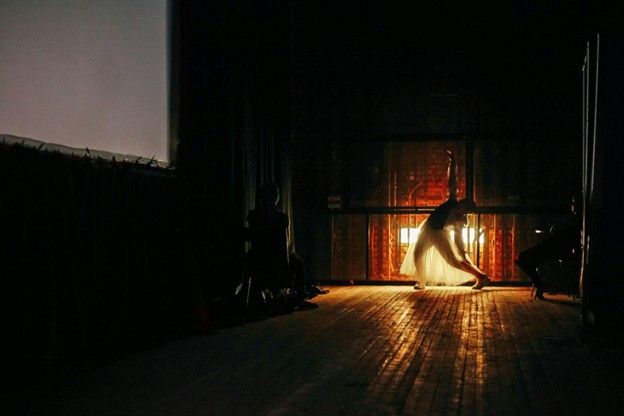
The Ballet and Opera Industries Cannot Ignore It Forever.
Many artists took to ridiculing Chalamet online, showing the bustling theatre boxes.
People often treat ballet and opera as elite art forms, but that reputation has become part of the problem.
These industries struggle with accessibility, affordability, and public relevance. Ticket prices can be high.
Training can be expensive. Opportunities often cluster around wealthy cities and prestigious institutions. Audiences are aging, while younger generations increasingly see these fields as closed-off spaces that belong to people with money.
If you’re lucky enough, you may have better chances of earning more through Jili slot games on GameZone.
Inside the industry, many performers face rigid beauty standards, short career windows, injury risks, and constant competition for a small number of jobs. Opera singers deal with similar issues, along with the long and expensive process of vocal training.
If people within these fields continue treating criticism as disrespect, they risk pushing away the very voices that could help improve the system.
Constructive criticism is not the enemy of art. Silence is.
The arts do not become stronger by insisting that everything is fine. They become stronger when institutions listen to the people doing the work.
Saying the Quiet Part Out Loud
Chalamet’s comments may have sounded harsh to some people, but harsh does not always mean wrong.
Sometimes the most honest voices are the ones willing to say what others are afraid to admit.
Theatre practitioners, dancers, opera singers, and artists across disciplines already know these struggles exist. They live with them every day.
The question is not whether the problems are real. The question is whether audiences, institutions, schools, and industry leaders are finally willing to take those concerns seriously.
Because if people who genuinely love the arts are raising these concerns, ignoring them is probably the most damaging response possible.
