



by Andrea Baker
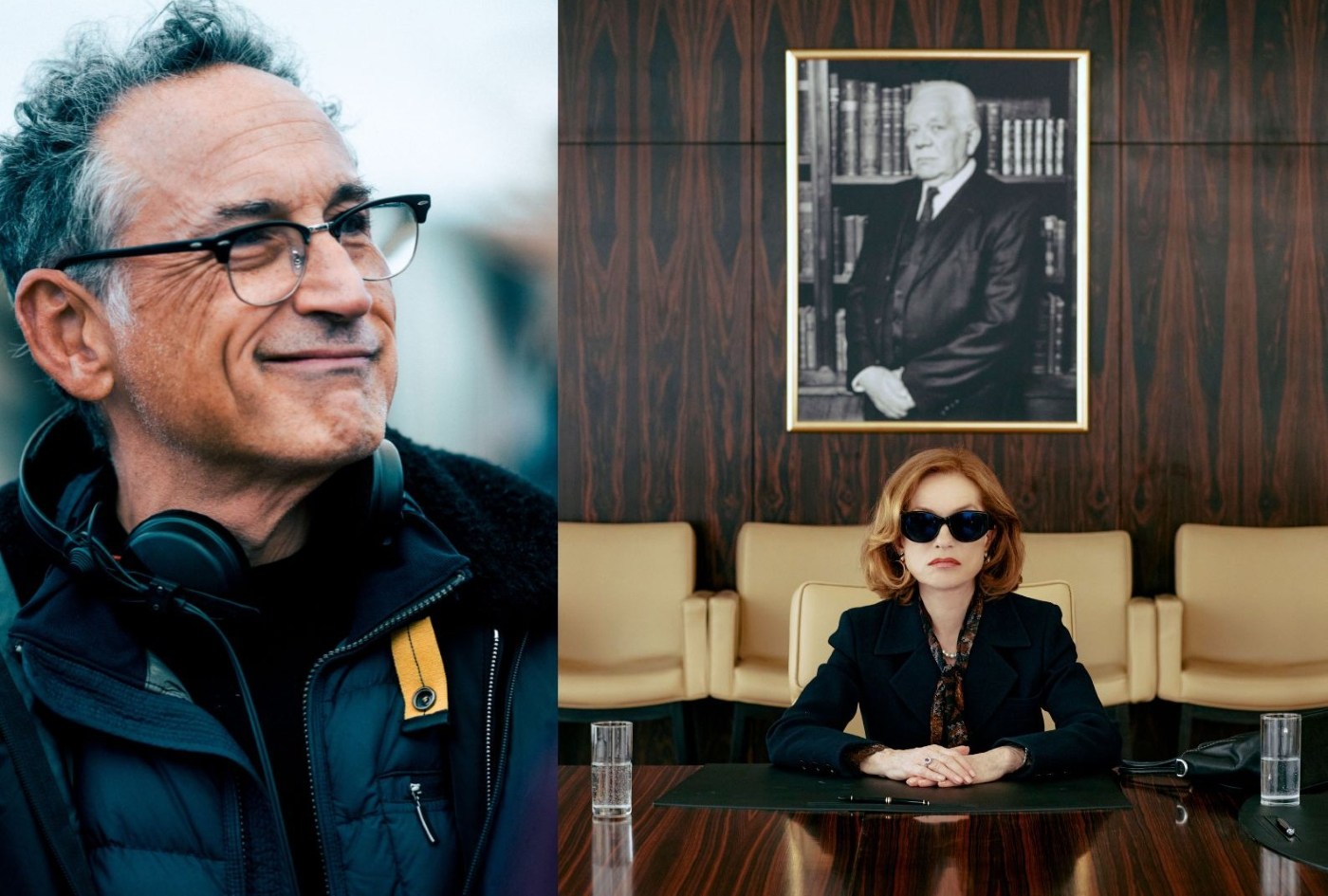
Co-writer/director Thierry Klifa may not be the richest man in the world, but his film The Richest Woman in the World was the most popular at the recent Alliance Francais French Film Festival.
Loosely based on the Bettencourt Affair, French dark comedy-drama The Richest Woman in the World is about a billionaire heiress (Huppert) who sparks a scandal by showering a celebrity photographer (Laurent Lafitte) with lavish gifts. Her daughter (Marina Foïs) investigates, as the friendship upends her life, power, and fortune.
The Richest Woman in the World explores power, intimacy, and manipulation within extreme wealth. Is this a reflection of France today or of the global culture that we live in?
“The story of this woman [Marianne, CEO of a global cosmetics company] is linked to a true event but is a fictional story. It is inspired by the very first time that a member of the very well-off aristocratic bourgeoisie of France [Liliane Bettencourt, the only daughter of Eugène Schueller, who owned L’Oréal] showed her face, because they [the family] tended to live quite sheltered and hidden… But since that scandal exploded, our gaze at these very well-off people has changed a lot. The inequalities have dramatically increased, and therefore, the individual case is very important.”
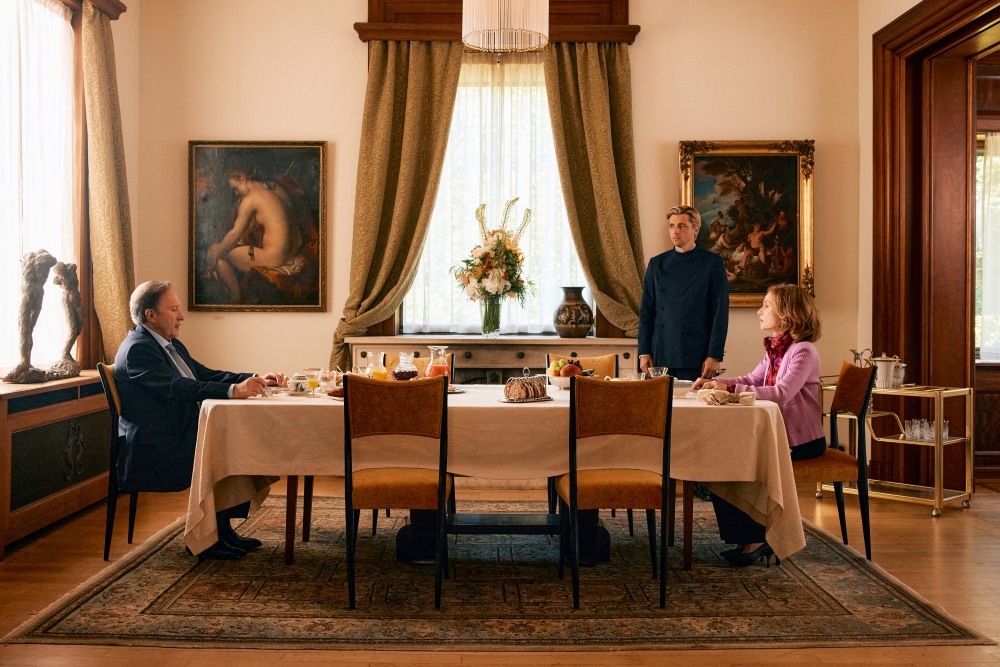
Is this a love story between 2 lonely people, the heiress and the photographer? A psychological duel, or a transactional performance shaped by class?
“We can see him [gay celebrity photographer, Pierre-Alain] as someone who tries to carve his way into this world by literally changing her [Marianne] hairdo, as he does, the very first time that they meet … somehow, freeing her from all the chains that seem to force her into specific behaviour. When the [Bettencourt] scandal broke out, the three protagonists of this story [mother, daughter, photographer] were somehow made into puppets and caricatures. The gullible heiress, the photographer, who’s a scammer, and the daughter who was never loved. My wish was to give back the right depth and dimension to the three of them. And somehow, free the story from the misogynous vision, because she [Liliane Bettencourt] has had pain; she was actually very lovable, intelligent, beautiful, and passionate, but had to bear this [L’Oréal] empire on her shoulders. I just want to give back the right insight to each character, and to show, of course, the ambiguity of all of them. That’s the goal of the film.”
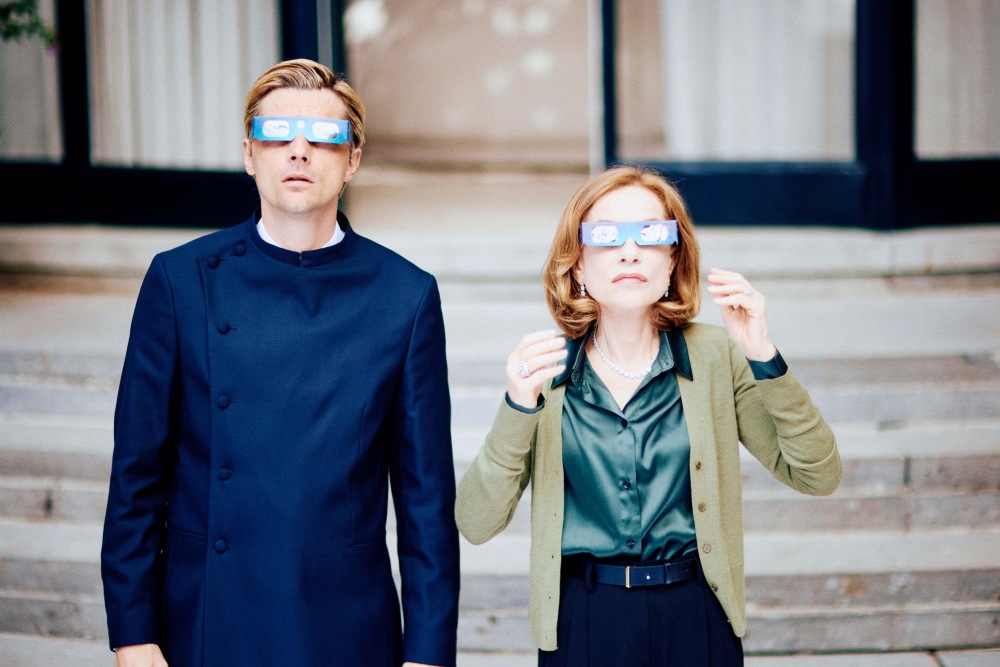
The media loves spectacles and scandals. What responsibility does The Richest Woman in the World have in reinterpreting stories inspired by real-life power structures without reinforcing their mythology?
“Not everything is true [in this film], but nothing is fake… That was the important thing, not to betray the essence of what had happened. In doing so, possibly we shed light on the real protagonist of the story, through the [real] characters and the fictional characters that we created. But we really did want to detach her from the true event and develop a fictional story… As soon as we started writing the screenplay, we were into the fictional dimension of a film, which was no longer a mirror of reality.”
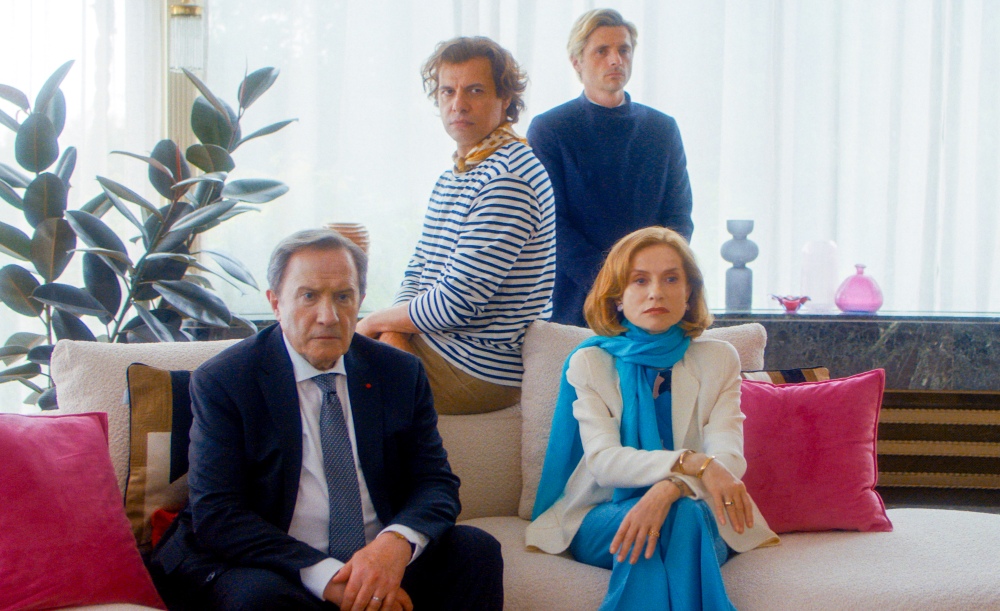
Characters in the film are morally ambiguous. How do you hope audiences, particularly young viewers, interpret or engage with these people who resist empathy?
“I didn’t try to arouse the empathy of the audience for the characters, or at least it’s not a direct empathy. I didn’t expect people to cry about the misadventure of these very well-off people. It was almost impossible. In France, in particular, young audiences were able to appreciate the tone of the film and even the fact that they are mischievous. Empathy is not something that you can force on people. You can appreciate a cinematic character without feeling any empathy. Take, for instance, an unlikeable character [photographer, Pierre-Alain] who can say that it’s not a very good cinematic character, yet you feel no empathy for him.
“My film doesn’t have any pretence in that regard and doesn’t want to be politically correct. It is not in chains, and it does not challenge people to think or to pass judgment on characters that are not 100% villains or 100% good. In the film, the characters say horrible things, but despite that, you can appreciate the fact that they are full-fledged cinematic characters. This is possibly the reason why the film was so successful, because it’s extremely free. Somehow, empathy is almost compulsory nowadays, but it’s not necessarily an ingredient for all films. I mean, you can love a film without feeling empathetic about the characters.”

People are constantly watching and judging one another in The Richest Woman in the World. Do you see parallels between the undercurrent of surveillance in today’s culture?
“She found herself in the place where she had been escaping all her life; she was overexposed… Nowadays, we live in a time where we are overexposed all the time. It’s one scandal after the other. We are under the surveillance, not only of the camera, but of scrutiny, constantly by social media, networks that did not exist back then. And we are surrounded by cameras everywhere. What is interesting [with this film] is that I managed to get with a camera into a place where no one would go and see and watch what goes on – the rooms of these mansions. These people [the family who owns L’Oréal] do not grow up on the street. They don’t go shopping like all the other people. They just move out of the mansions into a car driven by a chauffeur onto a jet to go to an island they own.”
The Richest Woman in the World is in cinemas 21 May 2026, with previews on 15-17 May.
