


by Abhi Parasher
We are all prone to mass consumer travel trends, such as cruises and fancy hotels. The comfort and luxuries are perhaps why we travel. However, we seldom stop to consider the impact of our travel behaviour. This issue is interrogated in Tyson Sadler’s The Last Tourist, produced by Bruce Poon Tip [below] and his company, G Adventures.
“G Adventures is 33 years old this year. It started as an immersive and cultural travel experience, way back when it wasn’t fashionable. Over the years, we have grown to be the largest small group travel company in the world. We offer adventures in over 100 countries in the world, but we do it with a lens of sustainability, responsible tourism and most importantly, we pioneered the concept of community tourism,” says Poon Tip about his reasons for making the documentary.

The Last Tourist tackles the challenges faced by communities and the environment that are caused by a lack of sustainable and responsible travel. Poon Tip speaks to the potential of positive travel experiences, saying “we can transform lives if travel is done right.
“We’re seeing the change on the ground in the form of poverty alleviation. We found that tourism to these small communities and small tribes in small areas could create positive change.”
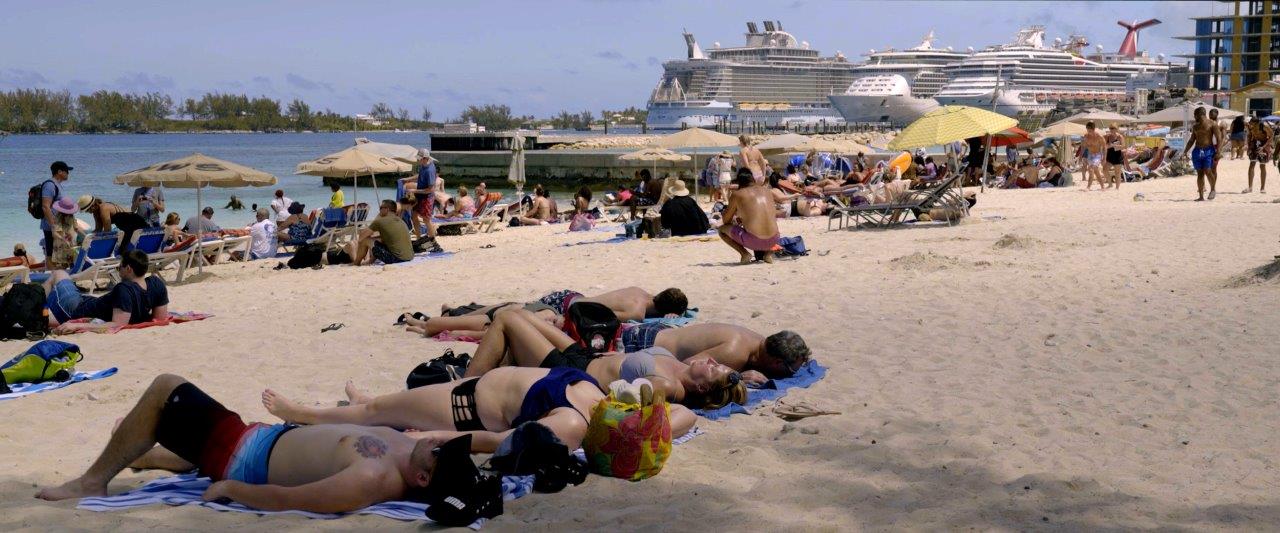
The feature length documentary focuses on the negative impacts that we are, to some extent, all aware of. From massive cruise ships to circus animals, the impact of indifferent tourism blocks our relationship with the destination and the local community’s access to tourism. Tourism today, as the film states, is the ‘exact opposite to a real travel experience’.
“The real travel experience should be something that is important to you,” says Poon Tip. “A real travel experience should be purposeful and meaningful to you. Today, we see people buying travel experiences based on amenities such as indoor zip lining or rock climbing, and that has made the destination less important. Real travel means the destination matters.”
The Last Tourist explores various destinations, from rural villages in Ecuador to the busy streets of India.
“The countries are always welcoming to film. Our message was a positive one that we were trying to deliver to the world.”
However, complications did arise when the team tried to access attractions such as cruise ships and animal circuses. “They weren’t willing to let us film easily.”
The documentary investigates the issues we all know exist. From ineffective volunteering to animal cruelty, these are problems we are all peripherally aware of.
“I really believe that The Last Tourist isn’t breaking new ground. I believe most people that see it aren’t surprised by what is going on. It is just alarming and makes you think when it is presented to you through film. That is all I hope The Last Tourist does – makes people think.”
The Last Tourist is available on Digital on March 21, 2023
