

by Gill Pringle in LA
The sixth and final season of The Handmaid’s Tale seems more prescient today than ever, releasing during the second even-stranger Trump administration.
When the dystopian drama first premiered in 2017, it already seemed like an urgent response to the political turbulence which marked the first Trump presidency.
The show’s political significance and how it sounds the bell on women’s rights has been foremost on Elisabeth Moss’s mind ever since she read the first script almost a decade ago now.
“I think from the beginning, from reading the pilot, the reason why I wanted to do this show was because I felt like it was about this woman’s absolute intent and need to survive for her children and, specifically for her one daughter at the time,” says Moss when we meet in West Hollywood.
“It’s been the same for me the entire time up until the end, up until that last episode, up until that last scene. The show has always been about that for me personally,” says the actress who first captivated TV audiences as ambitious secretary Peggy on Mad Men.
But as June, the enslaved Handmaid who takes on her bible-waving captors, she found her fierce brand of feminism thrust into the forefront.
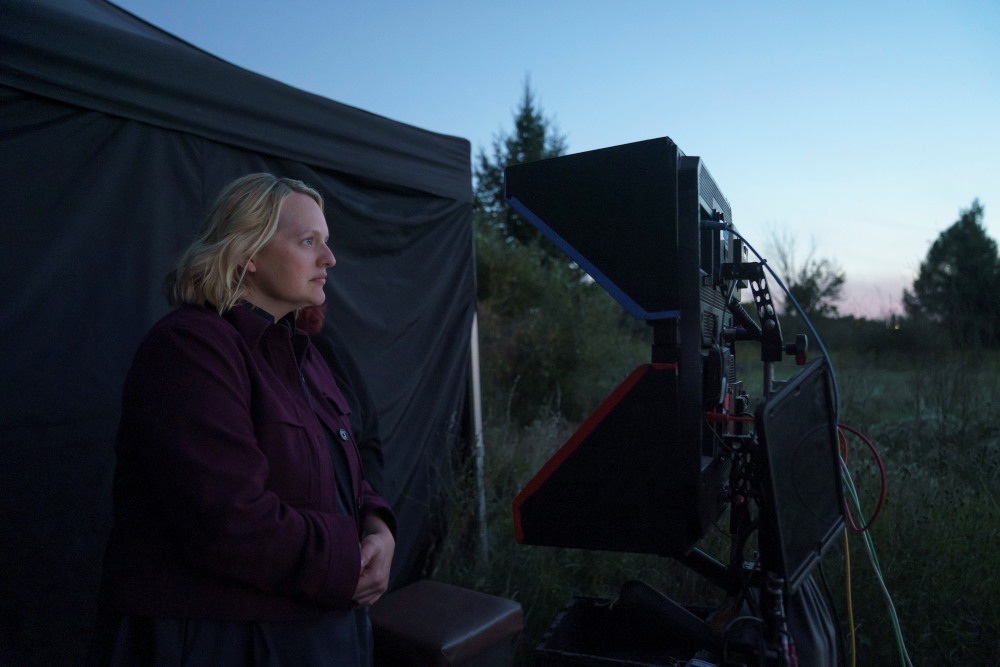
“I don’t write the show, so I don’t necessarily write to the what’s happening out in the world but, for me, the personal fight that June has of intending to have a better future for her children and for other peoples’ children in the next generation – that’s the entirety of what this show is for me personally, playing June,” says Moss who has been stretching her skills by directing several of the final season episodes.
“And I bring that into my directing. I don’t separate June from being a director. I think that playing her is probably my greatest strength as an actor. I like to take from it as much as I can. It’s never been different, whether I’ve been directing, producing, acting, it’s always been about that.”
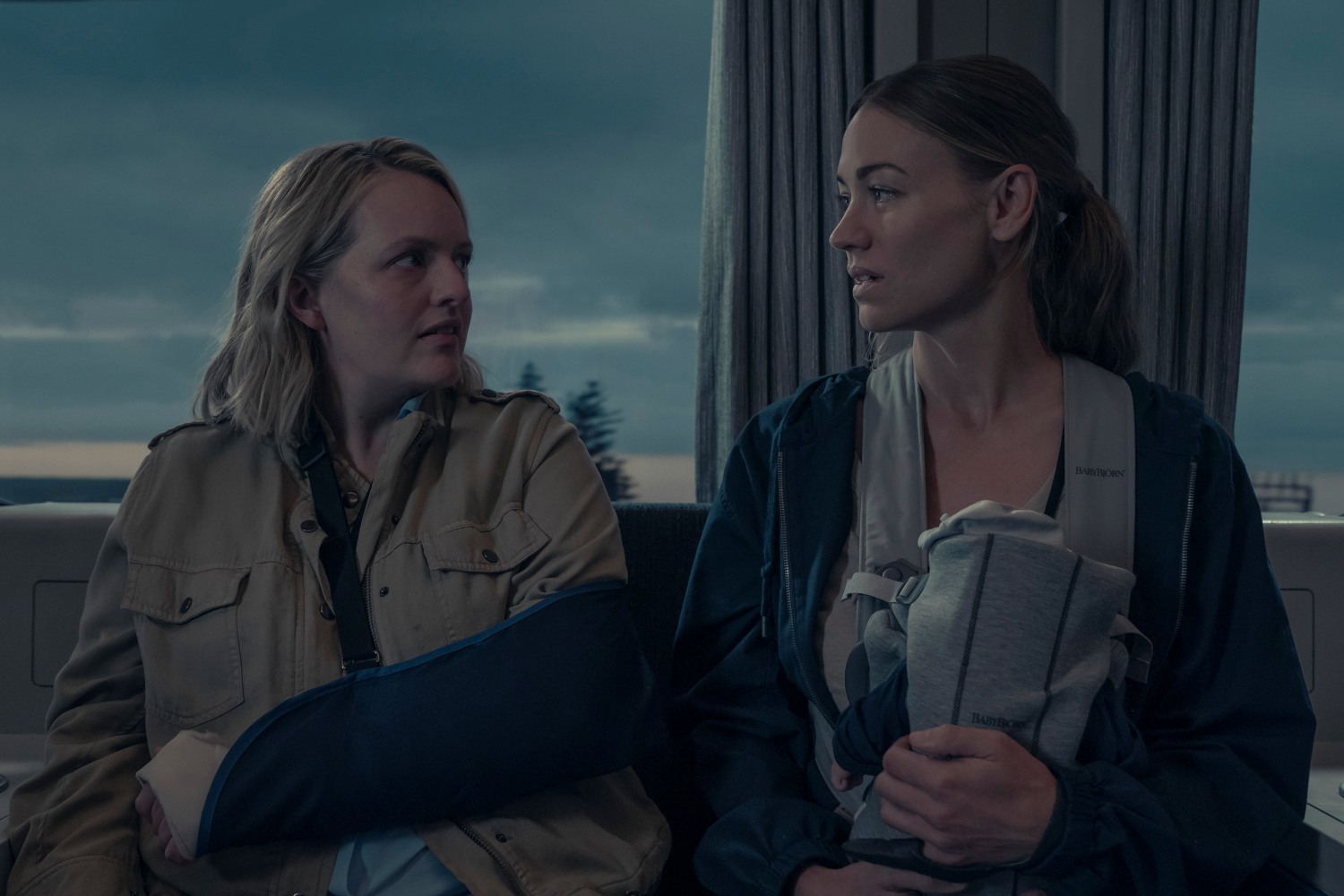
The final season of the show sees June’s unyielding spirit and determination pull her back into the fight to take down Gilead with O-T Fagbenle’s Luke and Samira Wiley’s Moira also joining the resistance.
If June has been reliably fearless from Day 1 of her servitude in Gilead, then it’s Yvonne Strahovski’s Serena who has possibly gone through the greatest transformation, particularly in the final season.
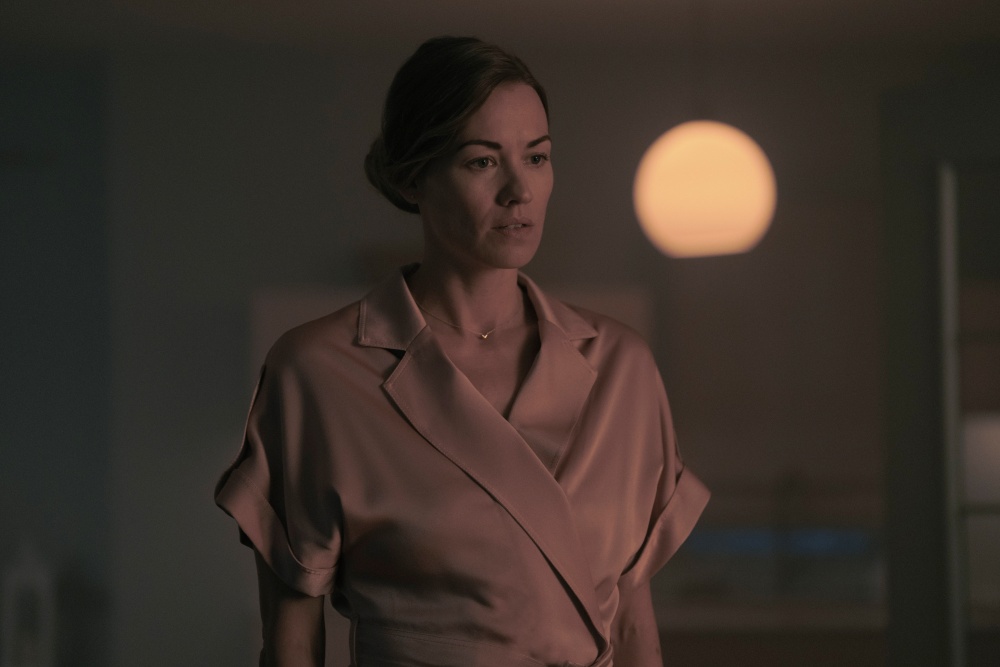
“I think June is the personification of the feeling and the knowledge and everything that Serena needed to understand about what she had done in the past. June didn’t let up,” says the Australian actress, who played the woman we all loved to hate with such icy determination.
“But June also never stopped believing in Serena, which I think is an important part of this. It’s not that she hounded her continuously in an angry way. It’s that she truly, in a loving way, also believed that Serena was capable of coming around and changing.”
Nevertheless, Strahovski herself isn’t completely fooled by the notion of Serena’s redemption.
“Although I personally don’t necessarily believe that Serena was that redeemable in the end – because I have my own interior monologue about this thing – I do think that because June was the living embodiment of the effect and the consequences of what she had done, that she did come around,” she says.
“I think having a baby also helped in Serena’s mind because, suddenly, the stakes are a lot higher when you have a child. But in the end, I think this is what ultimately made an impact, and she truly, in that moment, understood that she has to do the thing that June’s been doing the whole time, and that is to make a brave and courageous decision that is truly difficult not for her own benefit but for the benefit of the greater good,” she adds.
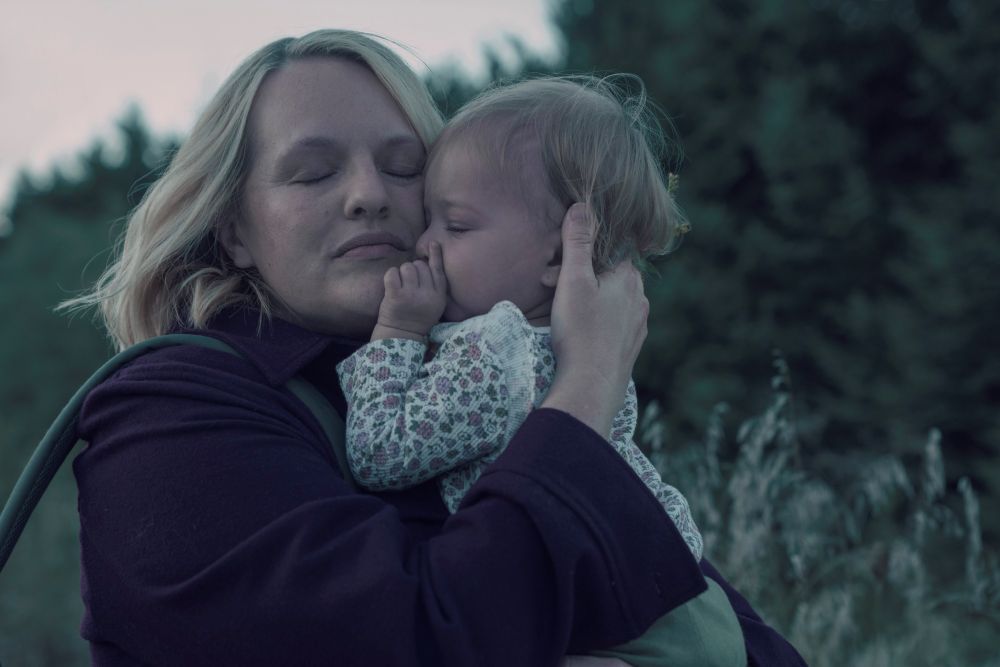
Echoing her June alter-ego, Moss has faith in Serena. “Why does June make peace with Serena?” she asks today. “I think because it’s for Noah, really. It’s for her son. That she knows that he needs a mother who has been forgiven by June in order to be raised to be the man that he should be.
“I think June also really believes in Serena like I do. And I think I’m probably a bigger fan of Serena than Yvonne is! I think it’s more important that she is forgiven. It’s easier for her to do that than to hang onto it. She doesn’t need to hang onto it,” says Moss, whose quality of quiet strength has informed all her roles, be it on the big screen in Us and The Invisible Man or on TV with Shining Girls or The Veil.
And if her role as June has seen her at the pinnacle of her career, then she argues that The Handmaid’s Tale has been a true team effort. “I think we have always been incredibly proud, honoured, humbled by the recognition for that,” she says, indicating her fellow cast members.
“Margaret [Atwood] obviously wrote this incredible source material and put this gift there for us to kind of pick up and continue to unravel. So, we don’t take credit for it, but it’s something that I think we all have never taken for granted, and respect very much that we have anything to say about something that is, I think, deeply important to all of us,” says Moss.
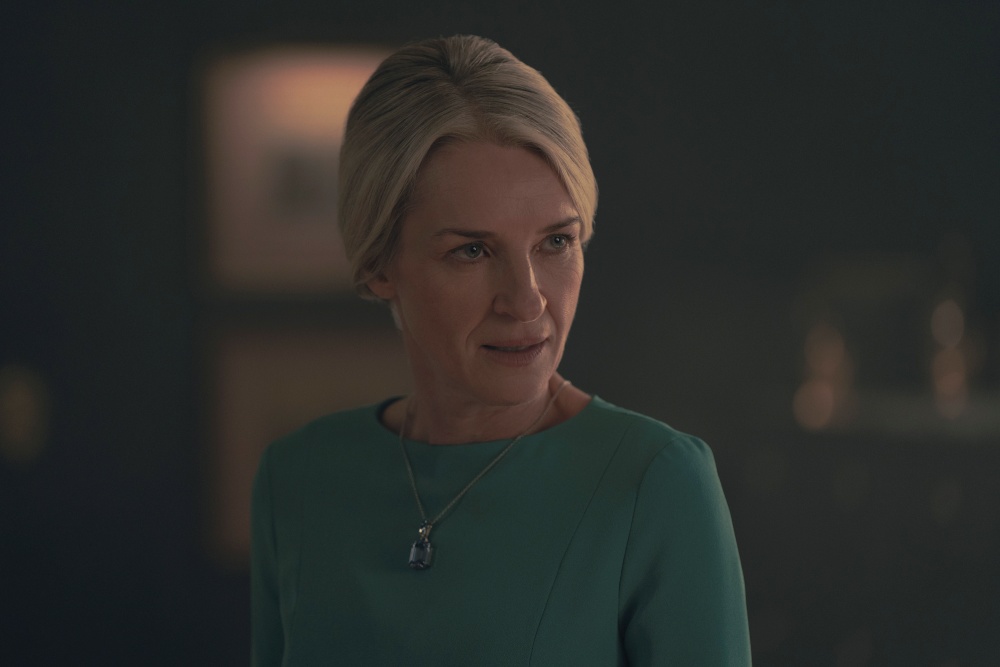
Ever Carradine, who plays Naomi Putnam, puts it into perspective. “Listen, when we started filming this show, Obama was still president. We were living in a very different America. Margaret Atwood says that everything that’s in the book happened somewhere. It’s not just fiction. She takes this from real life, and I think we used to have to look a lot further outside of our country to find the things that we see in this book, and now they are closing in on us.
“I think it really comes back to June’s quote, ‘in a gradually heating bathtub, you’d be boiled to death before you knew it.’
“So, keep your eyes open and stand up to injustice. I know it sounds silly, but I really think that the message of the show, resistance and hope, is from the beginning to the end of the series, and I think it’s the most important thing. You can’t give up hope, and you can never stop resisting injustice. You just can’t,” she says.
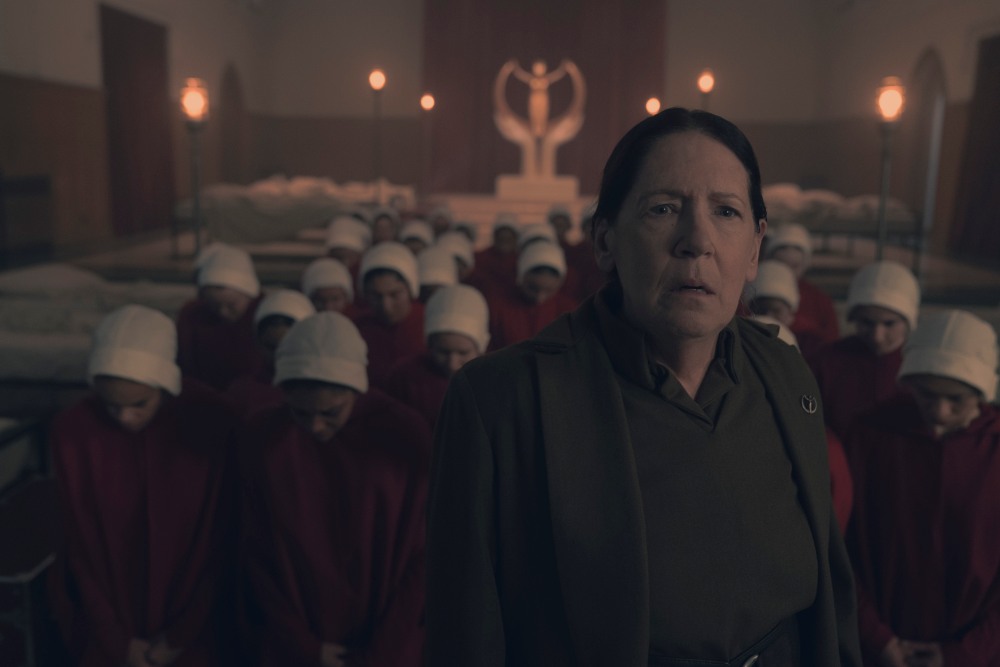
If we were all outraged by the cruelty and heartlessness of Aunt Lydia, then the actress portraying her, Ann Dowd is equally proud of her necessary evil in order to highlight injustice.
“I was riding my bike in Union Square a few years into the series, and I saw a group of handmaids protesting. And I went to stop them. I just went to Lydia quickly! And I thought, ‘they’ll pay – what are they doing? They’re crossing in the middle of the street,” she laughs.
“And, of course, they paid no mind, but what I learned from that experience is that you have to participate. It’s not enough to do the show and feel great, although that’s a dream. You’ve got to get out and do something. You have to. It’s our civic duty. And that’s what I learned from watching those young girls out there. It was beautiful,” she says.
The Handmaid’s Tale: Season 6 is streaming now on SBS on Demand
