


by Gavin Grains
Many people are surprised to learn that Australia was a global pioneer in the very early days of narrative filmmaking. Long before Hollywood established its dominance, Australian filmmakers were experimenting with long-form storytelling.
- The World’s First Feature Film: In 1906, The Story of the Kelly Gang was released in Australia. Running at approximately 60 minutes, it is widely recognised by film historians as the world’s first full-length narrative feature film.
- The Bushranger Genre: This early success sparked a massive wave of “bushranger” films—stories centred around outlaws and bandits in the Australian wilderness.
- Government Censorship: The popularity of these films eventually led to a major setback. Governments banned bushranger films out of fear that they glamourised crime and encouraged civil disobedience. This censorship, combined with the post-World War I rise of Hollywood distribution networks, nearly crushed the domestic industry for several decades.
During the 1940s and 1950s, local production trickled down to a minimum. Australia became primarily a backdrop for British and American studios rather than a creator of its own stories, setting the stage for a dramatic comeback. The australian casino Slotornado offers its players a variety of games covering every theme, including movies.
The Australian New Wave: The 1970s and 1980s Renaissance
By the late 1960s, the lack of a distinct national cinema led to political action. The Australian government, under Prime Ministers John Gorton and Gough Whitlam, introduced sweeping tax incentives, funding bodies, and established the Australian Film, Television and Radio School (AFTRS). What followed is known as the Australian New Wave.
This era was defined by two distinct cinematic styles: the “AFC Genre” (prestige period dramas) and “Ozploitation” (high-energy, low-budget genre films).
The Prestige Period Dramas
These films looked back at Australia’s colonial history, capturing the isolation of the landscape and the rigid constraints of class structure. They were visually stunning, often utilising natural light to capture the haunting beauty of the outback. Key masterpieces included:
- Picnic at Hanging Rock (1975): Directed by Peter Weir, this atmospheric mystery about schoolgirls vanishing in the bush became an international critical sensation.
- My Brilliant Career (1979): Directed by Gillian Armstrong, this film brought a powerful feminist perspective to colonial literature.
- Gallipoli (1981): A heartbreaking exploration of the ANZAC legend during World War I, cementing Mel Gibson’s early career.
The Ozploitation Explosion
On the opposite end of the artistic spectrum were raw, high-octane genre films designed to shock, thrill, and entertain. These films embraced car culture, horror, and action.
- Mad Max (1979): Directed by George Miller on a shoestring budget, this dystopian action film revolutionised independent cinema and became one of the most profitable movies ever made relative to its budget.
- Razorback (1984): A stylish, terrifying horror film about a giant, man-eating wild boar terrorising the outback.
The New Wave successfully put Australian cinema back on the global map, proving that local stories could find international commercial success.
Quirky Comedies and Hollywood Integration: The 1990s

As the industry matured into the 1990s, Australian filmmakers shifted from historical introspection to contemporary, highly stylised, and deeply eccentric comedies. This era celebrated the concept of the “underdog” and embraced a distinctively self-deprecating Australian sense of humour.
- Crocodile Dundee (1986) & Beyond: While Crocodile Dundee kicked off the international obsession with the rugged Australian archetype in the late ’80s, the ’90s localised this charm.
- Strictly Ballroom (1992): The directorial debut of Baz Luhrmann, introducing the world to his signature “red curtain” theatrical style, filled with vibrant colours and hyper-stylised energy.
- The Adventures of Priscilla, Queen of the Desert (1994): A groundbreaking LGBTQ+ road comedy following two drag queens and a transgender woman traveling through the conservative outback in a bus named Priscilla.
- Muriel’s Wedding (1994): A dark, poignant comedy about identity, social isolation, and ABBA music that resonated globally.
The Technical Migration and Studio Boom
During this same decade, Australia began building world-class production infrastructure. Fox Studios Australia opened in Sydney, turning the country into a premier destination for Hollywood blockbusters due to a favourable exchange rate and highly skilled local crews. Major films shot in Australia during this era included The Matrix and Star Wars: Episodes II and III.
Indigenous Cinema: Reclaiming the Narrative
For the first century of Australian filmmaking, Indigenous Australians were largely marginalised, cast as background extras, or viewed through a colonial lens. The late 1990s and 2000s marked a crucial, historic shift where Indigenous filmmakers took control of their own stories.
Indigenous cinema has transformed the national landscape, shifting the perspective from looking at Indigenous peoples to seeing the country through their eyes.
Key milestones in this crucial cinematic evolution include:
- Rabbit-Proof Fence (2002): Directed by Phillip Noyce, this powerful historical drama brought the tragic history of the Stolen Generations—Indigenous children forcibly removed from their families—to international attention.
- Samson and Delilah (2009): Directed by Warwick Thornton, this raw, minimalist masterpiece won the Caméra d’Or at the Cannes Film Festival, offering a devastating yet beautiful look at survival in a remote Aboriginal community.
- The Sapphires (2012): A celebratory, soul-music-infused comedy-drama about an all-Aboriginal girl group entertaining troops during the Vietnam War, proving that Indigenous stories could be crowd-pleasing box office hits.
- Sweet Country (2017): A stunning period Western that interrogates justice, racism, and law on the frontier.
21st Century Trends: Blockbusters, Noir, and Global Talent
Today, Australian cinema operates on a dual track. On one hand, it functions as a global powerhouse for massive blockbusters; on the other, it produces gritty, localised independent dramas often referred to as “Outback Noir.”
The Return of the Visionaries
Australia’s top directors have continued to push visual boundaries on the global stage. Baz Luhrmann delivered visually spectacular epics like The Great Gatsby (2013) and Elvis (2022). Meanwhile, George Miller returned to his iconic franchise to direct Mad Max: Fury Road (2015), widely considered one of the greatest action films ever made, sweeping the Academy Awards with ten nominations and six wins.
The Rise of Outback Noir
In independent cinema, contemporary filmmakers are using the vast, harsh terrain of the country to explore dark psychological themes, crime, and systemic social issues.
- Animal Kingdom (2010): David Michôd’s gripping, realistic look at a Melbourne crime family that launched the international careers of Ben Mendelsohn and Joel Edgerton.
- The Babadook (2014): Directed by Jennifer Kent, this psychological horror film received universal acclaim for its brilliant metaphorical exploration of grief and motherhood.
- The Dry (2020): A tense, slow-burn mystery starring Eric Bana that uses a devastating rural drought as a thematic backdrop for a cold-case murder investigation.
The “Aussie” Hollywood Invasion
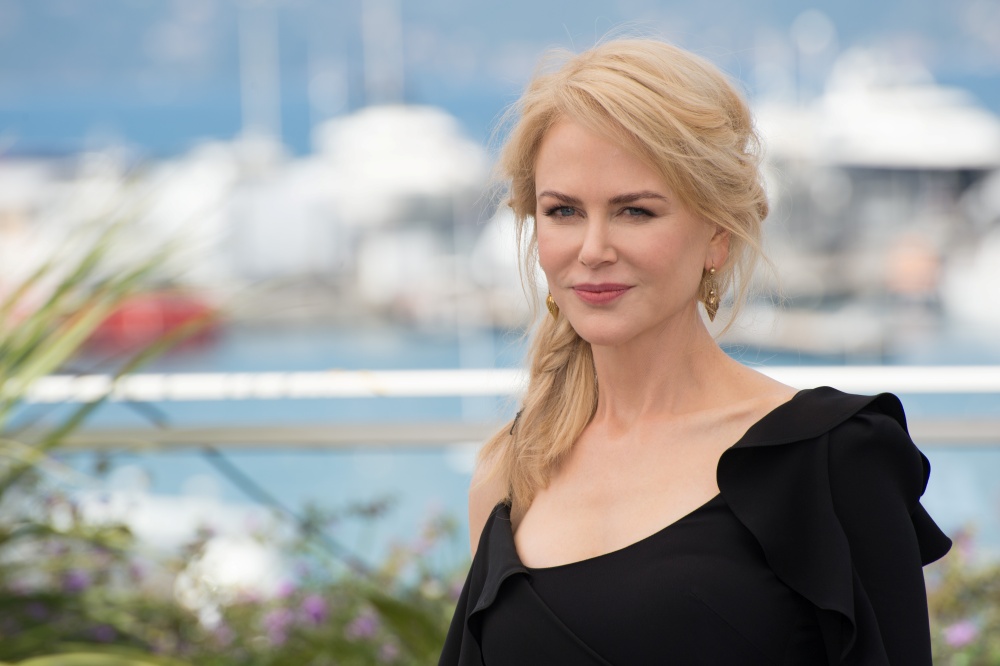
One of the most remarkable aspects of the Australian film industry is the sheer volume of elite talent it exports to Hollywood. Despite having a population smaller than many major global regions, Australia has produced an incredible roster of A-list actors, directors, and cinematographers.
| Category | Elite Australian Talent |
| Actors | Hugh Jackman, Nicole Kidman, Cate Blanchett, Margot Robbie, Heath Ledger, Russell Crowe, Chris Hemsworth, Jacob Elordi |
| Directors | Peter Weir, George Miller, Baz Luhrmann, James Wan, Gillian Armstrong |
| Cinematographers | John Seale (The English Patient), Dion Beebe (Memoirs of a Geisha), Greig Fraser (Dune) |
This phenomenon creates a unique dynamic: local talent refines their skills in low-budget Australian indie films before being recruited by major Hollywood studios, where they frequently win Academy Awards and lead record-breaking global franchises.
Challenges and Future Outlook
As the global film landscape shifts toward streaming platforms, the Australian film industry faces ongoing challenges to its identity.
- Sustaining Local Identity: With global streaming giants investing heavily in Australian production facilities, the challenge is ensuring that films made in Australia actually tell Australian stories, rather than simply standing in for American locations.
- Funding Models: Independent filmmakers remain heavily reliant on government agencies like Screen Australia. Balancing commercial viability with risky, avant-garde artistic expression is a constant struggle.
- Cultural Diversity: Modern Australian cinema is increasingly focusing on multicultural voices, reflecting the country’s diverse immigrant populations from Asia, the Middle East, and Europe, moving beyond traditional Anglo-Celtic perspectives.
Ultimately, Australian cinema’s greatest strength has always been its resilience and its capacity for reinvention. From the silent era outlaws of 1906 to the post-apocalyptic highways of Mad Max and the profound truths of Indigenous storytellers, Australia continues to punch far above its weight, carving out a bold, unmistakable legacy in global film history.
