


by Adrian Nguyen
Worth: $12.50
FilmInk rates movies out of $20 — the score indicates the amount we believe a ticket to the movie to be worth
Cast:
Joe Bird, Stacy Clausen, Mia Wasikowska, Nicholas Hope, Ewen Leslie
Intro:
... safe and often thuddingly obvious ...
Australian horror is going through a renaissance, making our national cinema more recognisable than it has been since the days of Ozploitation during the 1970s and 1980s. What makes the horror genre so distinguishable here compared to other countries, is its depiction of place that’s isolated and often dominated by a culture that combines mob mentality with tall poppy syndrome, evidenced in recent international releases Talk to Me and Together. Leviticus is the latest, a Sundance sensation, picked up for North American release by Neon, and which centres on the identity of youth, and the freedoms associated with it, often being blocked by the pressures of conforming to a place’s rigid norms.
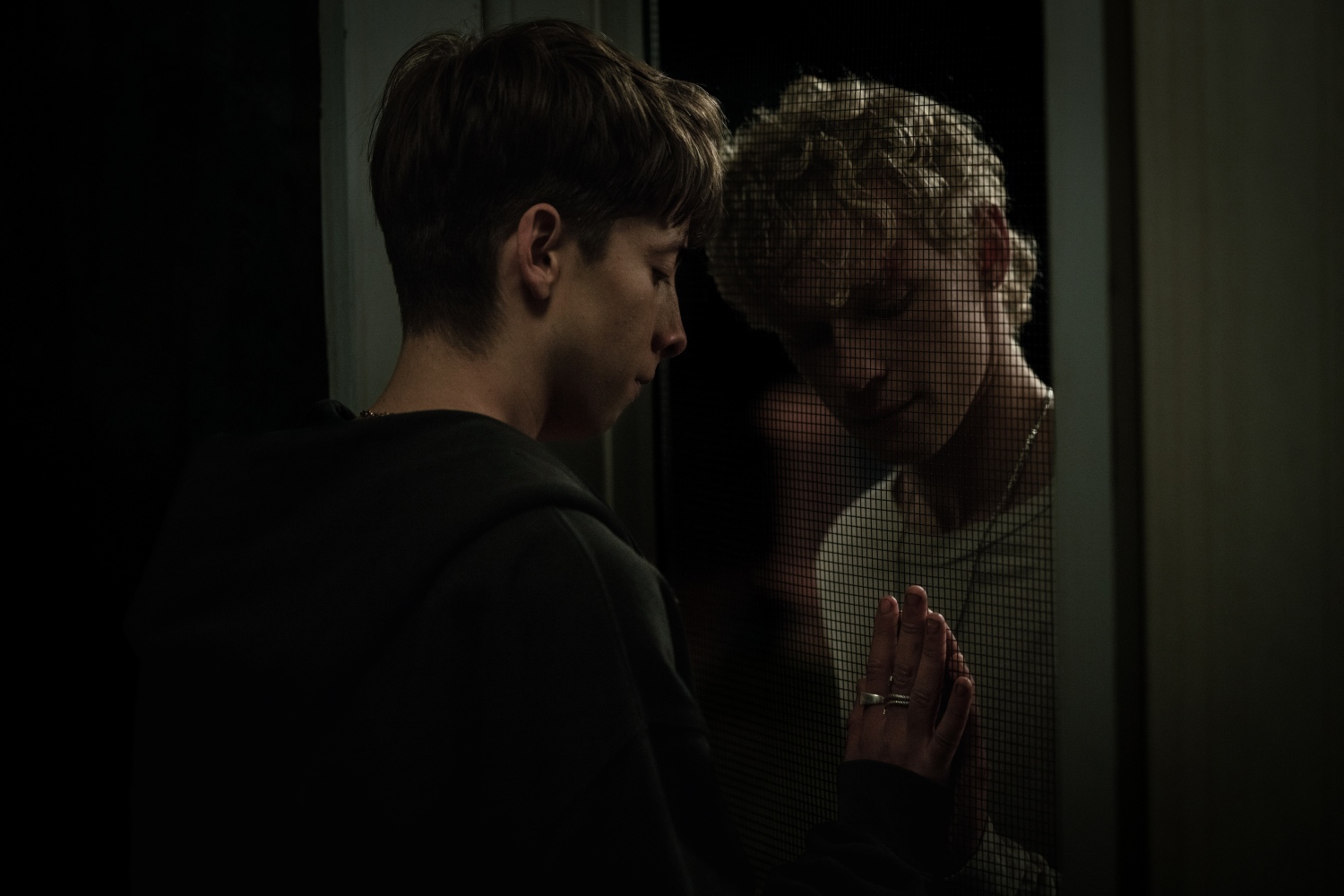
In Leviticus, director Adrian Chiarella is inspired by the progress of the LGBTQ community, but the biggest challenge are the people setting it back, resulting in individuals repressing their desire for one another. Will the Barry Keoghan-esque Naim (Joe Bird in a stunning performance) and the noodle haired Ryan (Stacy Clausen) still be together if the monster inside them becomes real and they hurt each other?
There are direct references to conversion therapy through the deliverance healing done by the local priest (Nicholas Hope). Following those sequences, characters develop a dual persona that often brings on self-hatred. The villains are mostly townsfolk, who use religion to uphold an orthodox interpretation of masculinity, blocking others from being gay.
Leviticus takes inspiration from It Follows and Let the Right One In. Unlike those movies, Chiarella’s approach is safe and often thuddingly obvious, like the hamfisted sound design, which sees every punch and rock thrown with needless piercing power. We know that this industrial town and its church can be homophobic, because of its dim grey hues, with the conformity pushing the residents to wear dull clothing. The film’s jumpscares are often unconvincing and the special effects – mostly CGI – wonky.
The film is not devoid of all subtleties, with Naim and Ryan’s double personas letting the actors play with ambiguity, often in moments of tenderness. Along with Bird and Clausen, Mia Wasikowska also gives an excellent performance as Naim’s mother, whose conversion to the town’s religion makes the turn against her son even more heartbreaking.
Midway through the film, Ryan realises that regardless of whether they escape the town, the teenagers cannot avoid any internalisation of homophobia that has already followed them, implying a level of self-control is at play (Frank Ocean’s languid ‘Self Control’ is heard at the end credits). It is one aspect that’s often overshadowed, yet connected, by Leviticus’s explosive social commentary.
What makes it ultimately frustrating is that if this is the kind of cinema that Australia showcases around the world, it will need to raise its storytelling standards.
