



by Hope Challis, OT
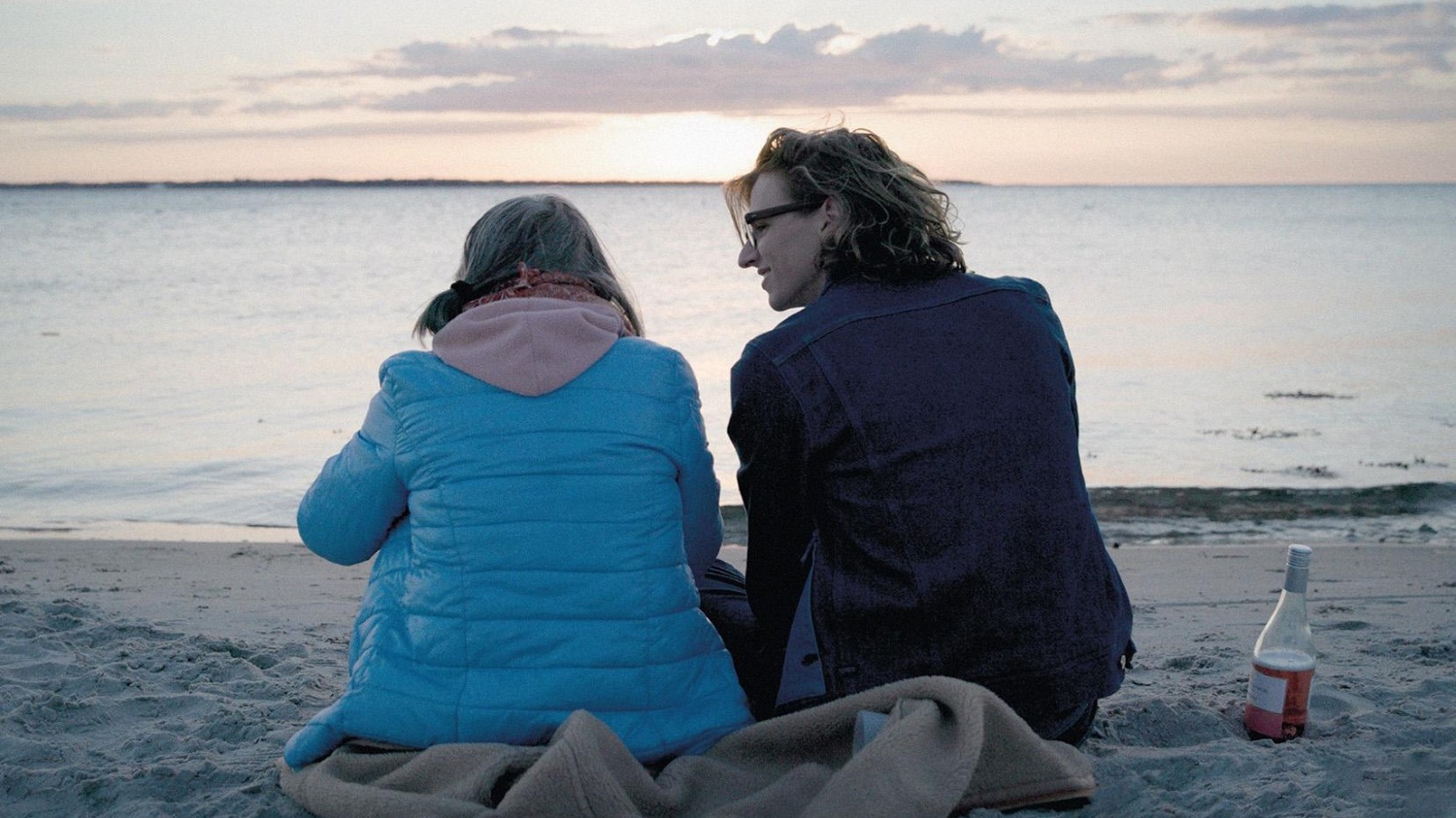
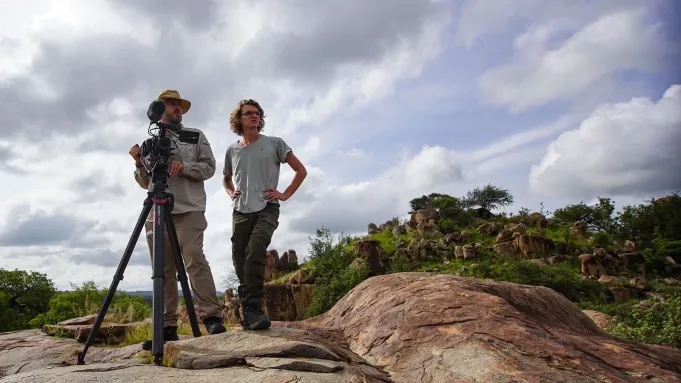
What would you learn about aging and dementia, if you actually lived in a nursing home? That’s the question posed by 26-year-old Teun Toebes in the entertaining and revelatory impact documentary Human Forever, which recently toured Australia, with Toebes and director Jonathan de Jong in tow, ahead of starting to work on the film’s sequel Human II Forever.
“If we are focused on zero risks, then life is zero as well”. This quote perfectly encapsulates the core of Human Forever, an award-winning documentary by Dutch humanitarian activist Teun Toebes and director Jonathan de Jong. The independent film explores dementia care on a global scale, challenging systemic isolation, questioning what quality of life truly means within locked aged care wards. It asks, how can we retain our humanity when society pushes it away, exploring what each country’s healthcare system can do to support the wellbeing of those effected.
Mainstream media often softens these themes; Nicholas Sparks’ The Notebook filters dementia through a lens of romantic devotion and memory, drawing from a singular real life love story. While Mike Flanagan’s adaptation of Christopher Pike’s The Midnight Club (inspired by a real-life terminal patient’s youth hospice book club) treats youth palliative care as a vehicle for mortality-driven storytelling. Although those narratives highlight how individuals maintain identity, agency and meaningful connection through illness, Human Forever exposes a harsher reality: institutional care frequently suppresses agency, rather than supporting it. Through Toebes’ youthful perspective, the film reveals how care becomes dehumanising the moment safety is prioritised over the actual quality of a human life.
The film’s fierce devotion to reminding the audience of the importance of continuing to love and treat people as humans despite the memory loss and challenges of dementia, is palpable. Toebes states that the “film’s message is not about dementia. The message is about the way we are looking at people who are often perceived as the other”.
The Notebook explores love between a couple across the lifespan, whereas Human Forever broadens the scope to ask how institutions, language and care systems globally affect whether someone is still seen as fully human and not othered and isolated. This approach is inherently more political and socially conscious.
 Human Forever explores meaningful, purposeful connection, and how this improves quality of life, empowering people living with dementia with a sense of purpose. The Midnight Club mirrors this idea through its use of storytelling for survival and the importance of community; giving a voice to marginalised people, supporting agency, and placing emphasis on not reducing people to their diagnosis.
Toebes noted that “we wanted to reshape the narrative of dementia by listening to people with dementia themselves, instead of thinking for them”. Human Forever drives home that people with illnesses should not be spoken over and should be at the centre of all decisions made by them, not for them. Toebes argues that “care is about taking risks and that looking differently always leads to doing differently”.
The film also explores the importance of ethical filmmaking. Human Forever was shot over 115 days across 3 and half years. De Jong notes that “we doubled the amount of time in research and just living with them”. On filming with residents, “we really wanted to give them the time that they needed” and “if you would come in and then start filming, that’s not the way how you really respect the people who you are dealing with”. This mirrors Toebes’ stance on centering humanity as the main focus on all aspects of this film and how he viewed his fellow residents’ behaviour, stating that “when I was walking in a nursing home, it was walking. When my housemates were walking, it is often called wandering”.
The film’s use of music is pivotal to making the documentary heartwarming and accessible rather than clinical and dry. On music, de Jong explained that “we don’t steer you towards emotions, but if the emotions are there, the music will guide you to the next scene”. An example of this is several montages of Toebes interacting with residents using music to form connection, whether it be listening to Elvis with one resident or dancing with an entire group, the connection and shared joy stay the same. De Jong wanted the film to feel like a fusion of a “Hollywood film and a documentary”, for audiences to not be afraid to watch and learn.
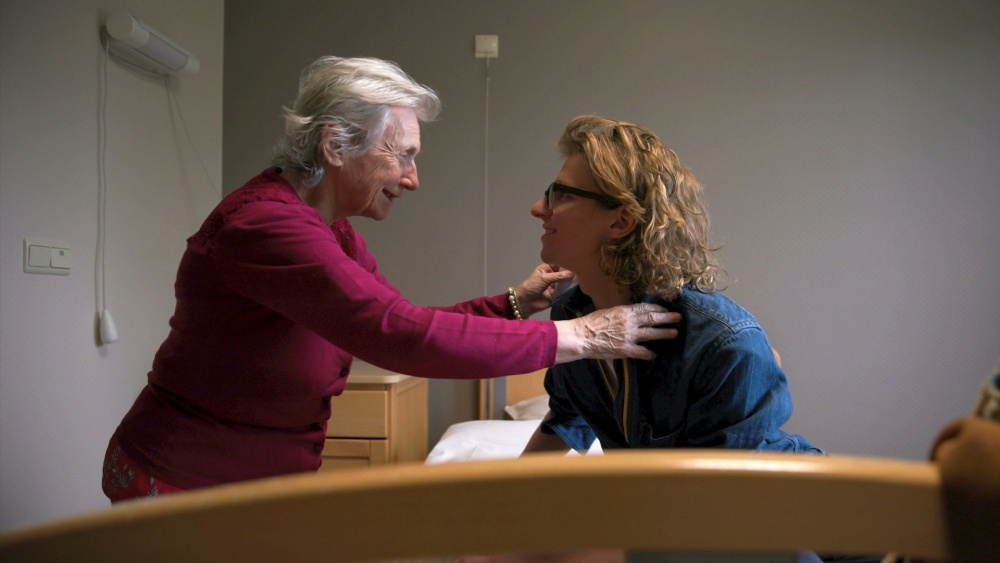
But the vital impact of this film is not confined to screen, it is a catalyst for conversation using the medium of cinema for change. De Jong highlights that “people are so cynical and critical against every form of change, that if they don’t see it, they don’t believe it”. Despite this, their film has been integrated into 43 universities all around the world. In the end, it’s all about challenging the status quo around dementia care and changing the narrative to fight for a better future for all people. Toebes argues that “if we see people living with dementia as patients who should be kept safe, then we do the ‘right’ thing. But if we see people with dementia as human beings, then we might reconsider and change the system”.
Driving forward their mission for systematic change, Toebes and de Jong have teamed up again to work on the sequel Human II Forever, based around social community connection. They note that “in order to really be connected, we have to create social connections again, and we lost that throughout the decades”. Leaving audiences with the question of “how can we invite people to take care of each other in a different manner?” noting that “it is so relieving to approach it through the lens of humanity instead of ‘what’s wrong with you?”. In exploring the film’s main message, they want audiences watching the film to “think I also want to do more for other people, because it will make my life so much happier”.
Human Forever aims to break down systemic barriers of isolation around dementia care and make people realise that it’s not just a care issue but a societal issue affecting everyone across the lifespan – disrupting the status quo in favour of changing the narrative for the better. It reframes occupational deprivation as a group issue, proving that storytelling is our sharpest weapon against systematic isolation, not just in fiction but in reality.
Head here for more on Human Forever.
Hope Challis is an Adelaide-based arts writer, Adelaide Correspondent for Theatre Thoughts Australia and a Paediatric Occupational Therapist.
