



by Pauline Adamek
Worth: $17.00
FilmInk rates movies out of $20 — the score indicates the amount we believe a ticket to the movie to be worth
Cast:
Carmen Maura, Marta Etura, Ahmed Boulane
Intro:
Carmen Maura is simply magnificent. She balances humour, mischief and quiet melancholy with effortless charm. It’s a pure delight to watch her as she navigates loss, rebellion, and even a touch of romance.
Maryam Touzani’s Calle Málaga (co-scripted by Nabil Ayouch) is a tender and joyous celebration of ageing and independence, as well as an appreciation of the small pleasures that make life rich. At the heart of the film is María Ángeles, portrayed with warmth, wit, and pure charisma by Almodovar staple Carmen Maura. When we meet her at 79, María has lived in the same Tangier flat for decades, deeply rooted in her neighbourhood that’s brimming with colour, chatter, and familiar faces. Her days are simple yet full, anchored by routines such as shopping at her local bustling markets, greeting neighbours by name, cooking elaborate meals, visiting her late husband’s grave, and singing along to Spanish tunes that carry echoes of the past.
Everything changes when her daughter Clara (Marta Etura) arrives from Madrid with plans to sell María’s flat and move her to Spain. While we appreciate her daughter’s rationale, we bristle at the upheaval. For María, this is not simply a logistical change, it’s a profound loss of autonomy. What unfolds is a quietly ferocious battle of wills. Clara is concerned with urgent practicalities, but María sees a lifetime of memory, community, and selfhood at stake.
When her belongings are sold and she is placed in a senior residence, María quietly but resolutely refuses to give up. With determination, ingenuity, and even a touch of impishness, she busts out of the retirement home and secretly begins reclaiming her flat and her independence. She deftly negotiates with antique dealers, outsmarts well-meaning staff, and eventually finds a path to restore the life she refuses to relinquish.
Cinematographer Virginie Surdej captures Tangier in all its textured beauty, from the sun-warmed cobblestones to the open shopfronts and vibrant marketplace. Even the haunting calls to prayer that drift across the city contribute to the fabric of María’s world, with the mostly handheld camera work lending intimacy and immediacy.
Touzani has an exceptionally fine flair for the smaller details that convey this sweet story. For example, there’s one poignant moment, soon after Mum returns to her almost stripped-clean apartment, that shows her noticing an heirloom that her daughter evidently didn’t want. It’s a brief instant, but it hits your heart with a pang of sorrow.
In this lead role, Carmen Maura is simply magnificent. She balances humour, mischief and quiet melancholy with effortless charm. It’s a pure delight to watch her as she navigates loss, rebellion, and even a touch of romance.
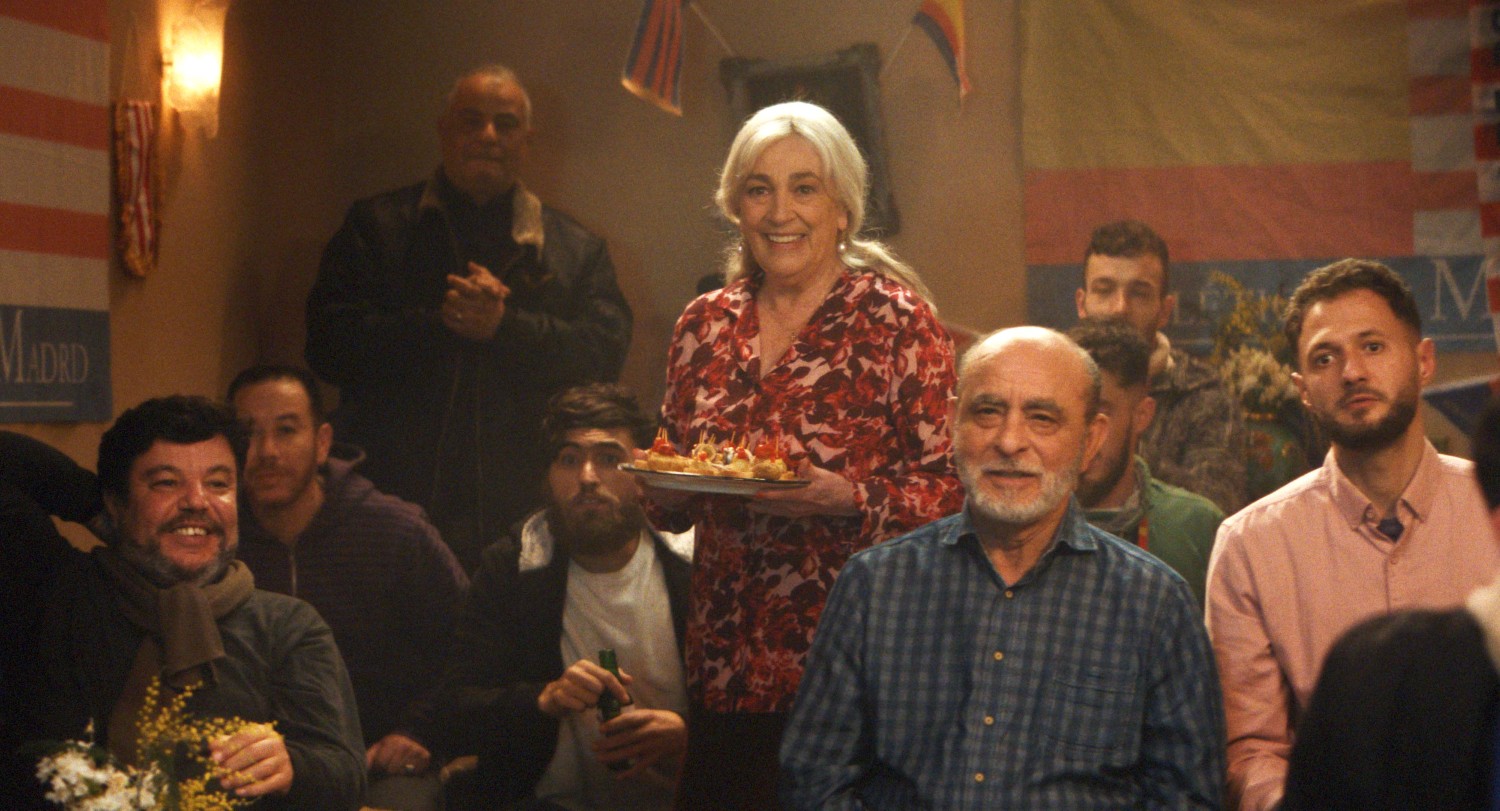
The film is full of small, heartfelt moments such as María relishing her reclaimed rocking chair, cooking a perfect dessert, or secretly enjoying a soccer match with neighbours. These details give the story sweetness and emotional weight without ever feeling forced.
Calle Málaga is funny, poignant, and deeply human. It captures the struggles to retain your home and identity, the complicated love between mother and daughter, and the unexpected joys that can appear even later in life. Touzani tells this story with warmth, subtle humour, and – above all – a profound respect for her characters.
Calle Málaga is a beautifully defiant celebration of living life on your own terms. The story offers gentle proof that independence, curiosity, and even love seldom have an expiry date. If you’re after a film that might warm your heart, this one will likely linger in your memory.
