



By James Mottram
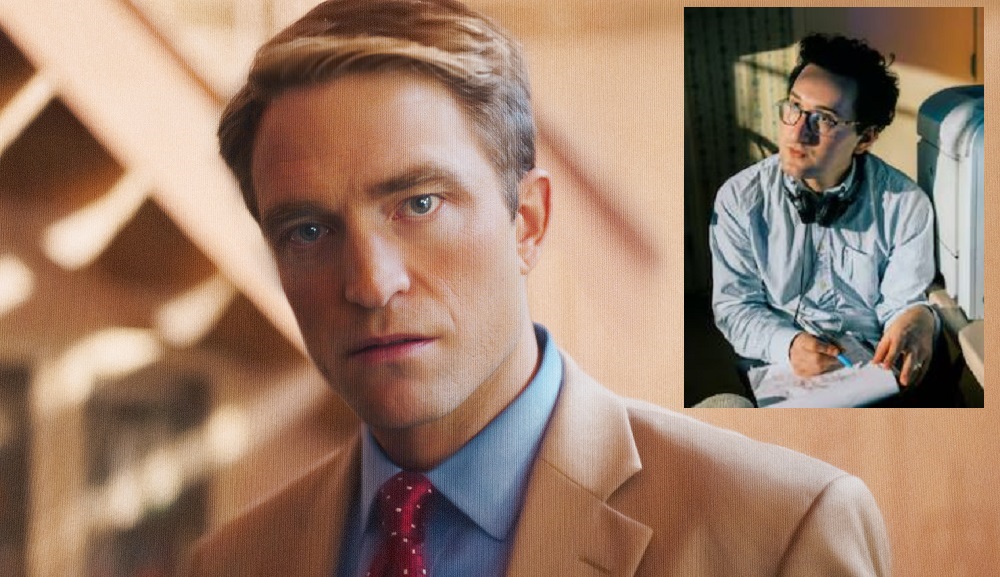
Producer/star Robert Pattinson and director Lance Oppenheim take on a mixed media miasma of anxiety and ambiguity with the thrilling Primetime.
“I tend to gravitate towards quite dark characters,” says Robert Pattinson. “If you’re quite a light person, it’s just more interesting. At least I think I’m a light person.” This year, just as he’s turned 40, it’s been a remarkable time for Pattinson to explore his darker side. After The Drama, in which he and Zendaya play a soon-to-be-married couple rocked by shock revelations, he pitched up in Christopher Nolan’s staggering hit The Odyssey as the wheedling suitor Antinous, vying for the affections of Anne Hathaway’s Penelope.
Yet nothing is quite as dark as Primetime, Pattinson’s latest film. Directed by Lance Oppenheim – who is also one half of the directing team behind the year’s most anticipated documentary, the Elizabeth Holmes tale You Can See Everything – it sees Pattinson play Chris Hansen, the real-life TV presenter who shot to fame in the early 2000s on the Deadline NBC segment “To Catch a Predator”, a gotcha TV show designed to ensnare sexual predators who groom children over the internet.
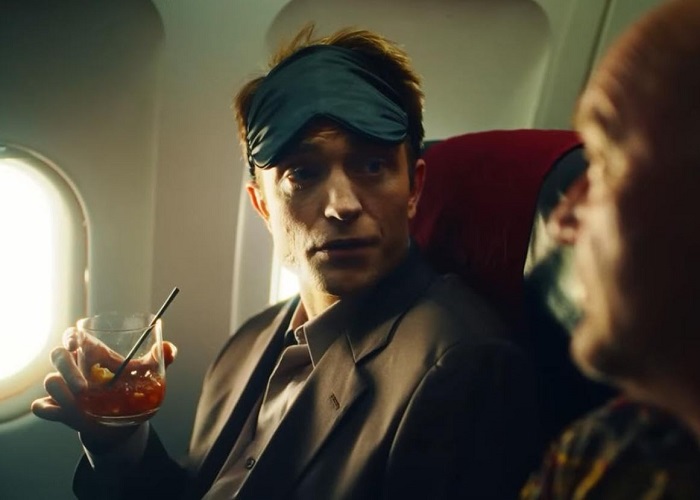
With Hansen’s team posing as youngsters, the presenter would swoop in at the last minute, with the cameras and the cops, and expose those caught out. The new feature film Primetime, however, all started with a series of strange coincidences – not least that Oppenheim, before he was ever attached to the film, was given a birthday present by his wife: a Cameo video greeting by Hansen. Curiously, Hansen recognised the director’s name from his then-recent Hulu documentary Spermworld, which dug into unregulated online sperm donations.
Intrigued, Oppenheim began investigating the other paid-for videos that Hansen had done. “There was something so strange to me about this,” says the director. “He called someone a ‘certified flex offender’, instead of a ‘certified sex offender’, and yet he was still doing these investigations into probably what I would consider is one of the darkest subjects of all of humanity. There was something very odd about that. How this guy I grew up watching … this crusader who reminded me of [Scarface gangster] Tony Montana … was aware of that cultural mythology and carrying that into his new work.”
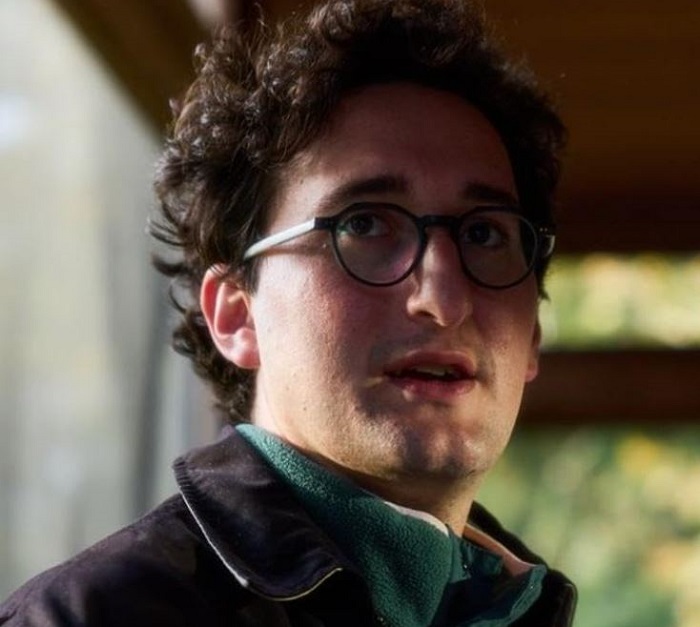
Shortly afterwards, Oppenheim showed Pattinson the Cameo video, and the actor was intrigued too. A few weeks later, Pattinson’s producing partner Brighton McCloskey told Oppenheim that, by chance, they’d received a Hansen-centred script by writer Ajon Singh, then called “To Catch a Predator”. “It was like destiny in a weird way,” says Oppenheim, who then had to convince Pattinson to play Hansen (it also marks the first film that the actor has taken a producer credit for, with his company Icki Eneo Arlo, which he founded in 2021, behind the film).
“The script had an electricity that felt subversive and explosive,” says Pattinson. “I mean, I guess your responsibility is just … how can you capture that feeling you had the first time you read the script, and what’s the most effective way of doing it?”

Set in 2006, the film takes place at a time when Hansen is desperate to win the ratings war, with “To Catch a Predator” pitted in the schedules against ABC’s mystery island drama Lost. With Hansen using his catchphrase “Have a Seat” as he walks in on predators, it gets ever more surreal. “The interesting thing about the show is that it’s directly addressing one of your deepest fears as a human,” says Pattinson. “Having an insidious, invisible predator who you have no way to defend against, who can somehow get into your house and harm children. It’s the scariest thing you can possibly imagine.” That the film takes place when the online world was still a relatively unregulated space added to the fears. “Everyone didn’t really understand what the internet was,” adds Pattinson. “What’s happening? What is going on?”
Alongside Pattinson, Oppenheim gathered an impressive cast, including Merritt Wever (as Andie Bender, the show’s producer), singer Phoebe Bridgers (as Del, who voices both male and female characters on the phone to lure in predators) and Superman’s Skyler Gisondo (as Dan Plum, the wide-eyed actor who joins the team as the in-person decoy). Other cast members include The Office star Creed Bratton and TV veteran Jessica Hecht, making it a true mix of acting styles. “I like the idea that we just try to get people out of their comfort zones, try to get people out of their heads, and embrace the chaos,” the director notes.
Primetime isn’t the first time anyone has tackled the subject of Chris Hansen. Last year, David Otis’ documentary Predators took on the subject of how the TV presenter, along with the watchdog group Perverted Justice, set out to use hidden cameras and adult decoys in these elaborate sting operations. “When I heard about the documentary coming, I’m like, ‘Oh, man! Are you kidding me?’” laughs Pattinson, who couldn’t quite believe that someone else had got in ahead of them.
Nevertheless, it shows just how Primetime has tapped the zeitgeist. “It’s fascinating that the ethics of a TV show that was made 20 years ago is still being discussed,” he adds. “It’s why it’s interesting. I never thought like, ‘Oh, I’m familiar with the show. I should make a movie about this.’ We didn’t even realise there was a documentary … but something was in the ether. The fact that people are still discussing the ethics, means the argument hasn’t ended, and I don’t think it ever will end.”
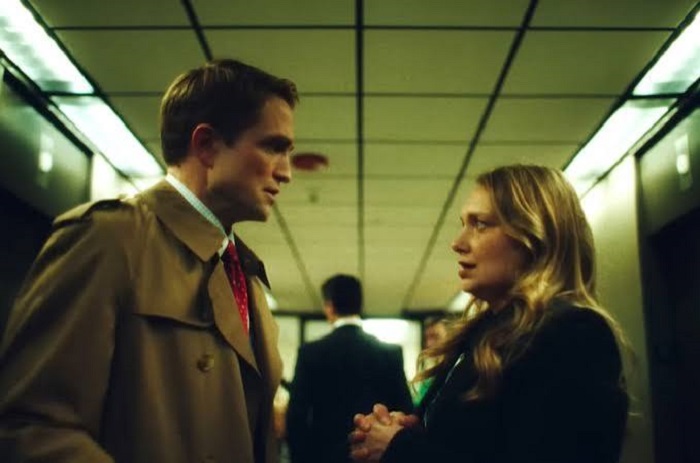
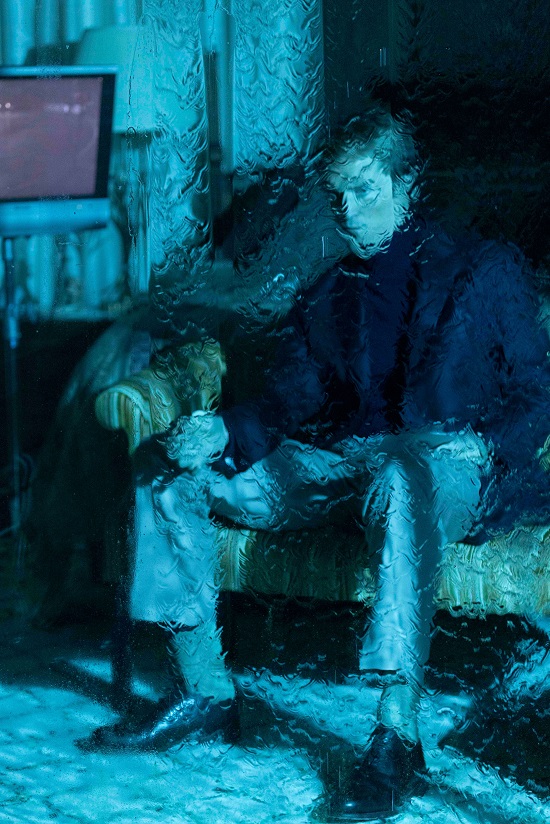
Stylistically, Oppenheim wanted “to take real life and turn it into a fever dream, and create something that felt more like this phantasmagoric nightmare of a movie.” He pulled references from all over, from the photographs of Larry Sultan to films like Oliver Stone’s Natural Born Killers and Brian De Palma’s Body Double. He also credits his cinematographer David Bolen, production designer Alex DiGerlando and costumer Alex Bouvaird, who helped set the film’s unique style.
“The early 2000s is when I grew up, and I felt like you’d look at something on TV and it was so colourful, it almost gave you like a stomach ache,” Oppenheim adds. “I liked that saturation and the colours, and I wanted to simulate that, almost like how Todd Solondz did in Happiness, or like how Gregg Araki would do it in Mysterious Skin, or how Michael Mann would do it in Manhunter or The Insider.” Multiple camera formats were used also to echo the look of the original show.
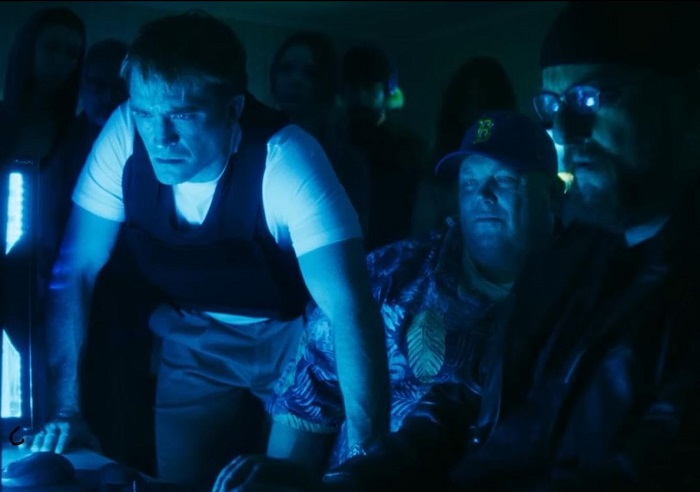
As faithful as Primetime appears, one person who is not so happy – perhaps understandably – is Chris Hansen. After watching the film, in which even he’s pursued by the National Enquirer for misdemeanours, he commented “It was so bizarre and so in-and-out of reality. It was so detached from reality or anything I’ve experienced then or now doing the investigations.” As for Pattinson’s portrayal, he added, “this version of Chris Hansen was so detached, so unhinged, so dark, so unlikeable.”
No doubt it’s an amplified portrayal, as Oppenheim hints. “I said to Rob, ‘You’re doing the Chris Hansen thing pretty good, but you’re also doing Jerry Maguire and Dracula.” It’s little wonder that Pattinson was terrified before the premiere at this year’s Venice Film Festival, as he anticipated the reaction to his work. “It’s exciting because you’re imagining the risk,” he says, “but then one day the risk arrives, and it’s really scary.” Still, no risk – no reward.
Primetime is released in cinemas on October 29. Click here for our review.
