


by Anthony Mullins
Certain movie locations have been used so frequently in films that they’ve become almost synonymous with Hollywood clichés. These settings, often visually striking or culturally iconic, are featured so often that they risk feeling redundant.
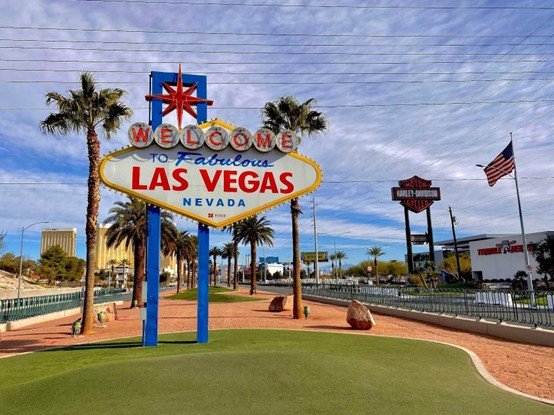
One such example is Las Vegas. Known as “Sin City,” Las Vegas has served as the backdrop for countless films, from heist movies like Ocean’s Eleven to wild comedies like The Hangover. Many film buffs think that Las Vegas has been used in too many films, but many viewers still enjoy seeing it. But, there are other ways to get your fill of Las Vegas. Enthusiasts can enjoy all that Las Vegas has to offer at online casino sites, like those found here, instead of watching another Vegas-themed flick. These sites offer games that you might typically see in a movie filmed in Vegas, like slots, blackjack, poker, and roulette.
Another overused location is New York City, specifically Manhattan. Times Square, Central Park, and the Brooklyn Bridge have been showcased in so many films that their appearances can feel more like stock footage than unique storytelling. From romantic comedies to action-packed superhero films, the city is a frequent go-to. While its energy and diversity make it an attractive setting, it’s become a predictable choice, often used as a shortcut to evoke specific emotions or themes without much originality.
The Los Angeles skyline, particularly Hollywood Boulevard or the Griffith Observatory, is another staple. The latter immortalised in films like Rebel Without a Cause and La La Land, has been so heavily featured that its inclusion often feels obligatory. Los Angeles, while a natural choice given its proximity to Hollywood, is often portrayed in stereotypical ways: the glitz and glamour of showbiz or the gritty streets of urban decay.
Paris, too, has become a cinematic cliché. The Eiffel Tower, the Seine, and the Montmartre are stunning, but their relentless appearance in romantic dramas or spy thrillers makes their charm feel overplayed. Filmmakers often rely on Paris as a shorthand for love or sophistication, which, while effective, can border on the unimaginative.
Even remote and wild locations, like the deserts of Monument Valley in the American Southwest, have been overutilized. Once synonymous with Westerns, the landscape has become such a hallmark of the genre that it often feels like a parody of itself. These locations, while iconic, lose their impact through repetition, making audiences yearn for fresh settings and innovative storytelling.
