


by Damien Spiccia
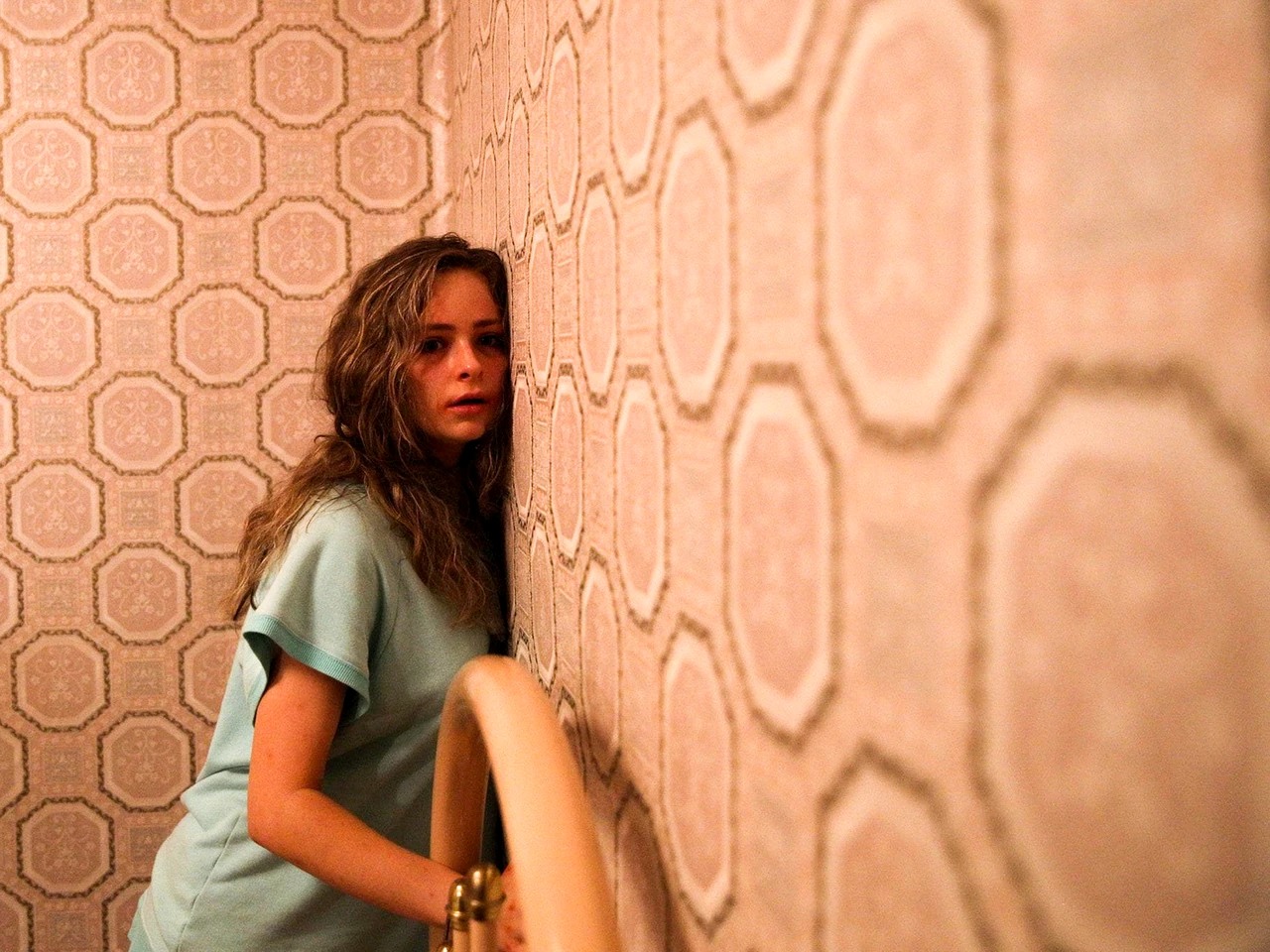
The Moorhouse Murders remain a painful chapter in Perth’s past. Why did you decide to make a film about the Birnies?
“The movie isn’t really about them. When I grew up, those two people – whose names I don’t even want to mention – were cited by my parents as the reason why I shouldn’t take rides with strangers. So, I was always aware of them. And then the idea… my mother writes crime fiction, and I was at her house one day and she had a pile of true crime books on the kitchen table. I was flicking through them, and I found a book called ‘Why Women Kill’, or ‘Women Who Kill’ or something like that, and I thought, that’s interesting. Basically, what I learned from this book was that women kill, generally speaking, for very different reasons to why men kill. Women don’t do it for a sexual thrill. It’s a kind of perversion of virtue.”
Like they’re convincing themselves that their actions are doing the world a favour.
“Exactly. Like, for instance, those who kill their children truly believe that their kid is better off not living in this terrible world. And that made me think of this particular crime that happened in Perth. There was very little information about it, but there was a lot of information about other couples. And every one of those was the same; a broken woman who met a psychopathic man who built her up and made her completely dependent on him so he could pull the rug out from underneath her and then break her.”
How did you navigate the nervousness that backers might have had around that subject matter?
“I knew that people were gonna be terrified of the subject matter, so I thought, I need to come up with a style to make it palatable. So, my little catchphrase was, ‘I’m making a movie about the people who commit the crimes, not the crimes’. The sexual assault, it’s all implied, which ultimately I think makes the movie more disturbing. And I wanted it to end with a sense of catharsis and relief. However, there was a version – if you’ve seen the movie, spoiler alert, before Evelyn gets up and stabs [John], there was a version of the movie at one point where I ended it on her just sitting at the table. Game over. You know, like, she lost.”
That’s really bleak.
“Yeah. I think the Europeans would’ve loved it.”
Let’s talk about the incredible cast. Stephen Curry plays against type and is absolutely chilling.
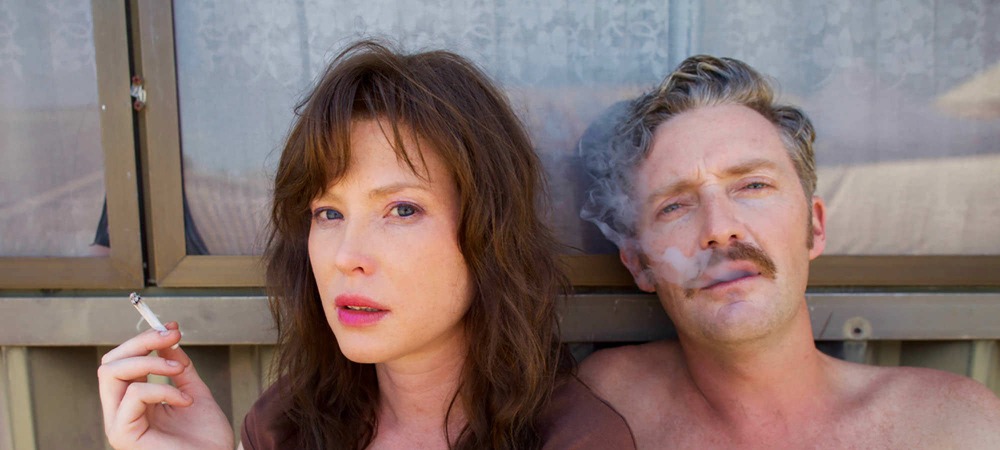
“Steve had got wind that there was this movie that was being made in Western Australia about some hideous people, and he somehow got his hands on the script. And then [casting director Anousha Zarkesh] called me and said, ‘Steve wants to do a screen test’. At first, I was like, ‘really?’ Like, that’s a kind of crazy idea. And then I thought – ‘hang on a minute. Foxcatcher with Steve Carell, One Hour Photo with Robin Williams, they were intense, dark performances by actors otherwise known for comedy roles’. And Stephen turned up to the cattle-call audition and he fucking won it. Like, he was so good.”
Then there’s Ashley Cummings – the dark horse of the film.
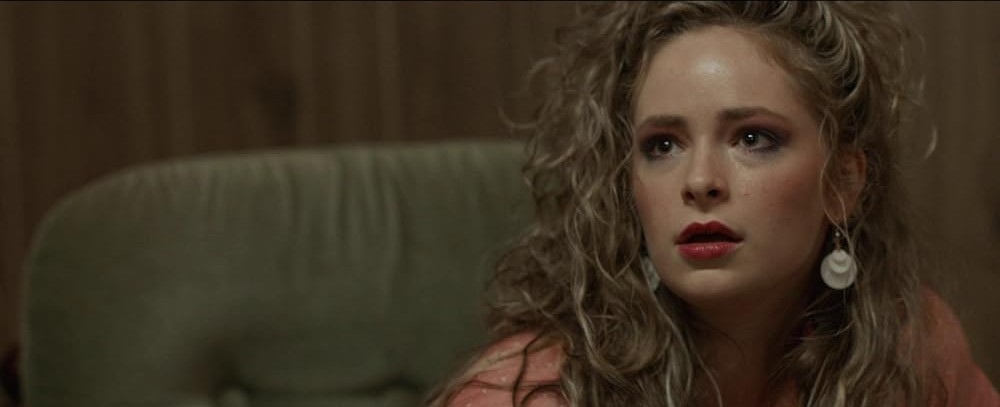
“I had seen Ashley in Puberty Blues, the television show. She fucking blew my mind. But the character in Hounds of Love was written as 15 and Ash was 24 or 25 at this time. I went to Sydney for screen tests and in walks Ashley Cummings, and she did this test and it was undeniable. I was like, ‘you know what? I’m just gonna put two years on the character and hope that no one feels like she’s too old for the character’ and no one did, because Ashley is such an amazing actor.”
Emma Booth’s character journey is difficult to watch. You were old friends, right?
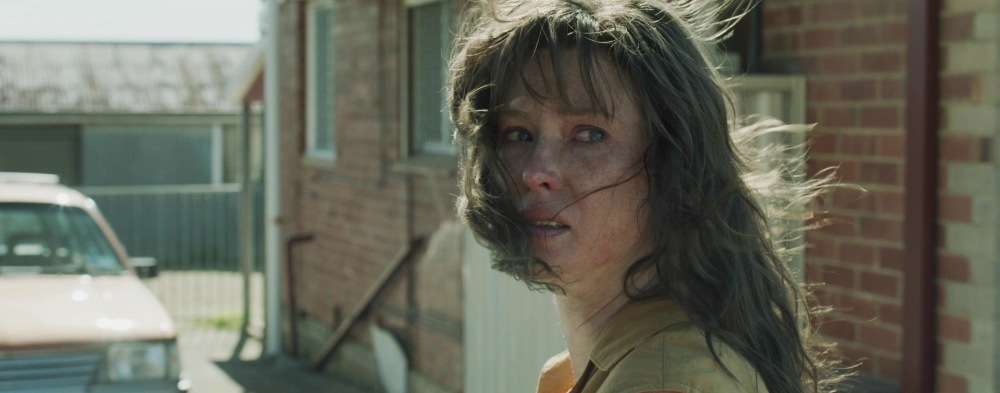
“Yep. I first met Emma in a former life when I was an actor. We were in a ‘Smarter Than Smoking’ commercial when we were both 12 years old. She’s one of the best actors I think the world has ever seen, you know, and the irony is that she passed on it three times! As much as we were good friends, I don’t think that she had faith in me as a director because I was unproven. Her agent convinced her to look at it again, and she did, and she won the AACTA award for Best Actress that year, she won awards all over the world for it.”
 Ten years on, what are some of the most surprising or insightful reactions to the film that you remember?
“I mean, I’ve had every reaction from it. After the premiere in Venice, an older woman came up to me at the end, and she said, ‘that movie made me feel like leaving my partner was the right thing to do’. Because, coercive control, it doesn’t necessarily have to involve serial killing, mental abuse can be just as damaging as physical abuse, in many ways. So that was a reaction that I didn’t expect. But then I also didn’t expect that some people would respond so negatively to the movie that I would end up getting hate mail and death threats. People got very angry at me for making that movie, they thought that I was taking advantage of real life victims of crime.”
In 2024, you recorded a commentary for a Blu-ray deluxe edition. How do you feel about the film now, after watching it again with ten years distance?
“I think that there’s a lot of naivety in the filmmaking, but there’s a lot of happy accidents in it as well. There are things I just did because I didn’t know how to do better that ended up working. That kind of forced me to depend more on the actors, and that’s a good thing, because it puts a spotlight on them. But now, I’d probably try and be cleverer. Hounds of Love changed my life in the sense that it had the premiere at Venice, I ended up with the big fancy Hollywood agent, and I was directing my second movie before Hounds was even released. And haven’t stopped working since.”
