


by Nataliia Serebriakova
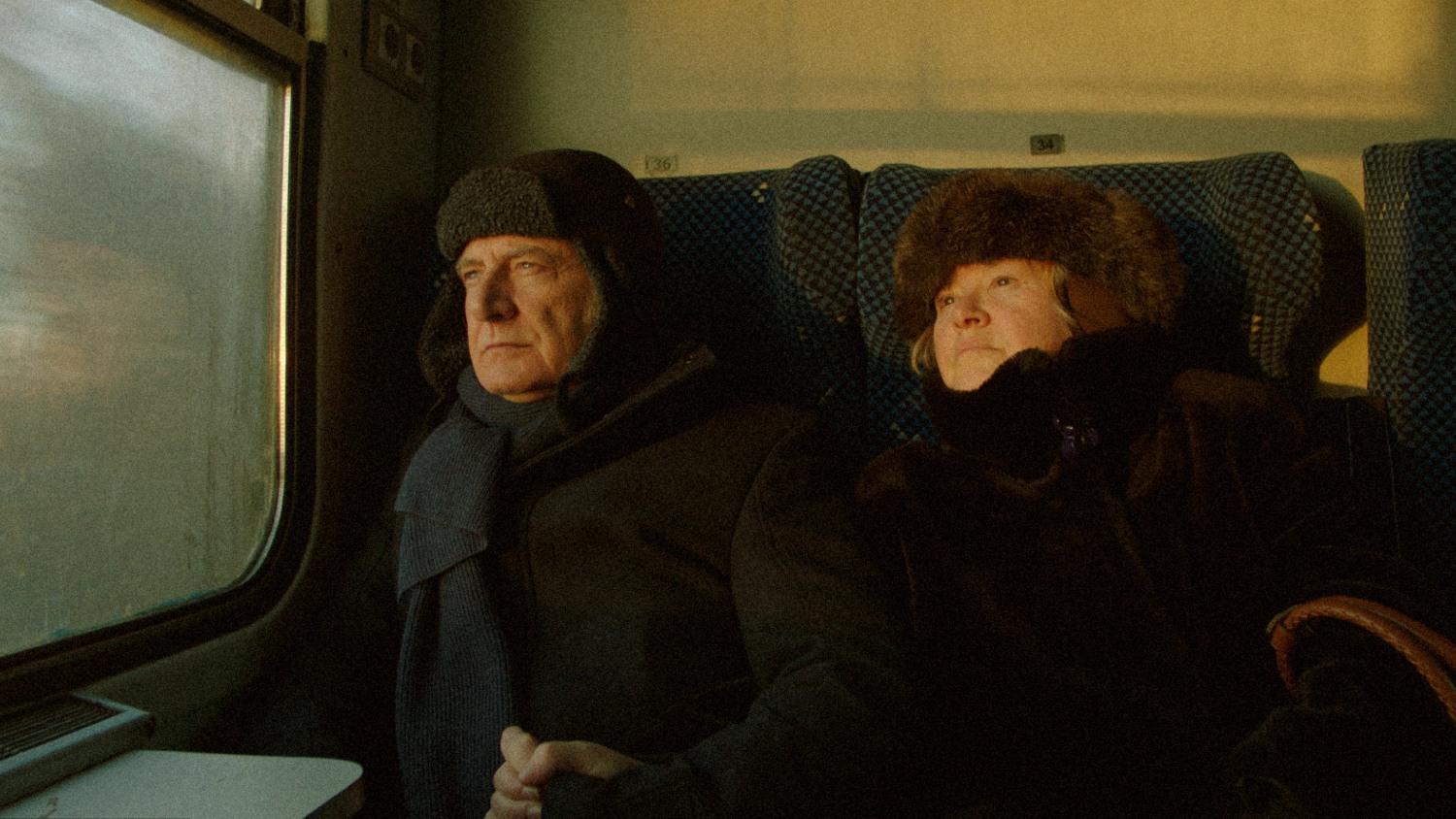
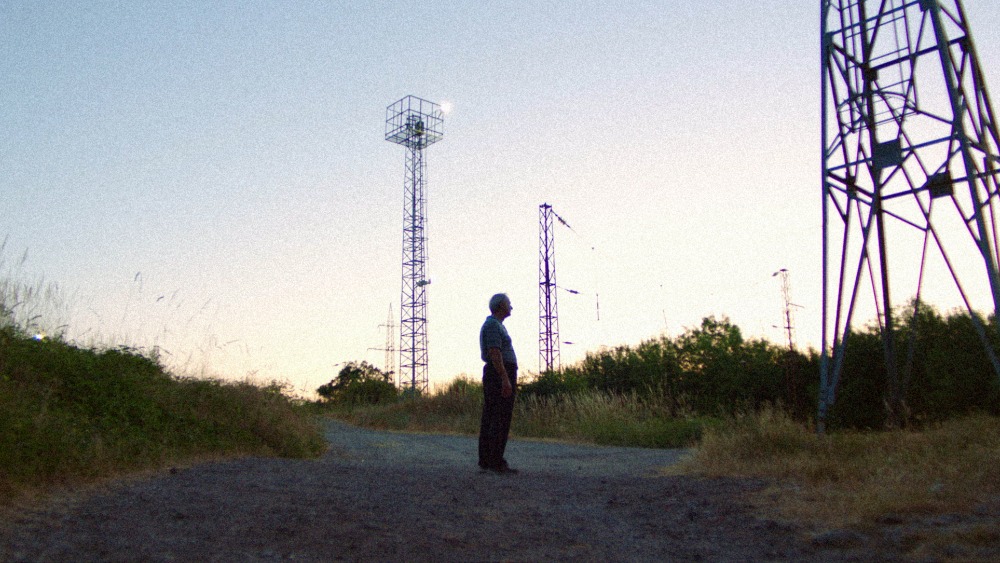
Black Money for White Nights follows an elderly Bulgarian couple living in the provinces, quietly dreaming of traveling to Saint Petersburg to witness White Nights. When they finally purchase an expensive tour using money accumulated from small bribes, their plans are abruptly overshadowed by Russia’s invasion of Ukraine, forcing a sudden and unsettling shift in their reality.
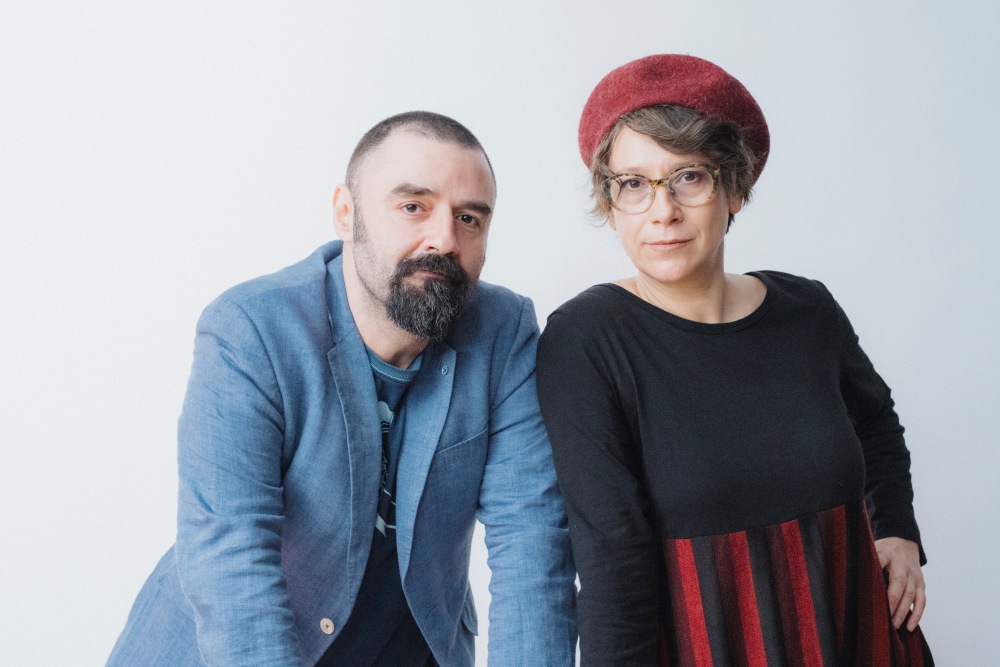
We spoke with directors Kristina Grozeva and Petar Valchanov.
How did you come up with this idea for the film? How did it originate, and how did you develop it?
Kristina Grozeva: “Actually, this time everything started from the title. About ten years ago, we were working on the screenplay for Glory, one of our previous films. During that process, we began discussing a Bulgarian saying that literally means “save money for rainy days.
“In Bulgarian, it sounds like “save white money for black days.” We decided to turn it upside down, and what emerged was “black money for white nights.” We thought that this would be a strong and intriguing title for a film.
“Taking a break from the other script, we started thinking about how to give meaning to this title. We imagined that “black money” could be connected to corruption, such as bribes. Then we asked ourselves what “white nights” could represent. Perhaps our characters would want to experience White Nights in Saint Petersburg, since many people of that generation in Bulgaria feel a strong admiration for Russia.
“At a certain point, the story began to take shape. We wrote the first draft during the first COVID-19 lockdown and received funding from the National Film Center. However, when Russia invaded Ukraine, the story suddenly felt much more serious than we had initially intended.
“There were suggestions to change the direction, for example, to have the characters travel somewhere else, such as Finland or Sweden, instead of Russia. However, we felt that this would not be honest. We decided to take the risk and remain true to the characters as they are. We made only minor adjustments in order to reflect the historical moment.
“I believe that the war stripped the characters bare and exposed their inner world in a much sharper way.”
Petar Valchanov: “Yes, it was very important to observe how they would react. At the beginning, as you can see in the film, they believe that the war will not affect them. They feel safe and remain absorbed in their own conflicts, as many people around the world do. However, eventually reality reaches them, and they begin to understand their own self-deception.
“This is, in general, how the script developed. Of course, during the shooting and editing processes, we changed many things. In our previous films, we often rely on improvisation, and together with our Greek editor, Yorgos Mavropsaridis, we made key decisions during production. We also conducted additional shooting. Overall, the film evolved significantly beyond the initial script.”
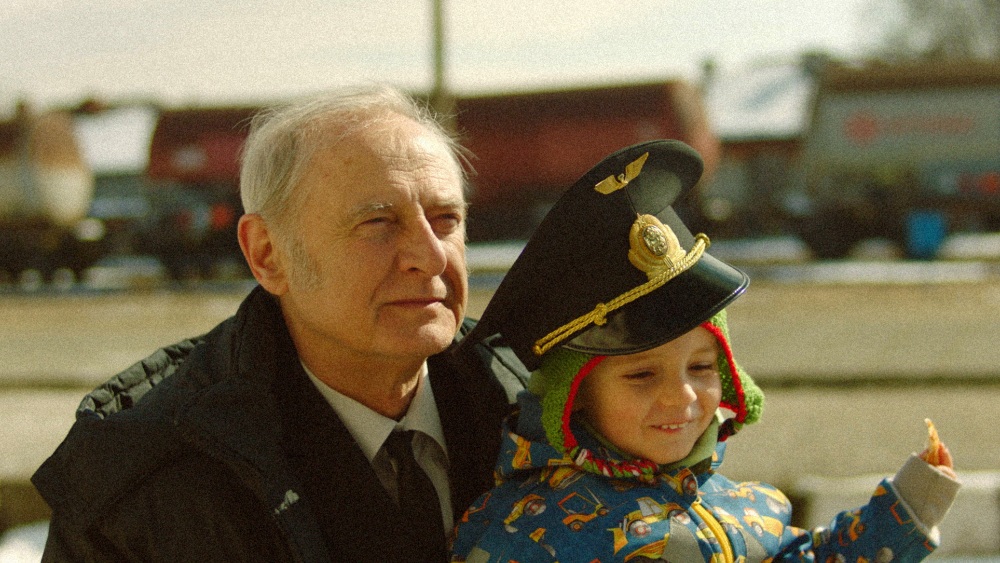
Was the dramaturgical line involving Gosha`s son part of your idea from the very beginning?
Kristina Grozeva: “Yes, it was present from the beginning, but we changed quite a lot along the way. Some elements remained, but many things ended up different.”
Petar Valchanov: “In the script, there was more emphasis on sound and more scenes connected to that storyline. However, during the editing process, we removed some of it. This is something that often happens. Nevertheless, the idea involving the son was part of the script from the very beginning.”
The film has many interesting twists, and it is fascinating to follow how the idea develops. How you would define it? Is it a comedy or a drama? Your previous film Triumf also dealt with the Soviet era. This film seems to carry post-colonial undertones. Is this a theme that interests you?
Kristina Grozeva: “Yes, of course. This time, however, we wanted to create a tragicomedy in the classical sense. That is why we aimed to bring together opposing elements: the low and the sublime. Corruption, lies, self-deception, and manipulation are set against dreams, the idea of White Nights, and the desire for a different life.
“We were trying to create a true tragicomedy, as described by Plautus — placing gods and devils, good and evil, the low and the elevated within the same frame. That was our intention throughout the process.”
There is another recent film about the Russian invasion of Ukraine, How to Divorce During the War. This is a Lithuanian film and it had the heroes brainwashed with Russian propaganda. You mentioned that in Bulgaria there are also many people from the older generation who feel close to Russia or are influenced by Russian propaganda. How widespread is this mindset in Bulgaria?
Kristina Grozeva: “The situation is difficult. Unfortunately, there are quite a lot of people like that. What makes it worse is that some politicians encourage these attitudes through populist rhetoric. I believe this is a serious problem in our society, and that is why we wanted to address it in our film, to bring it forward as an important topic.”
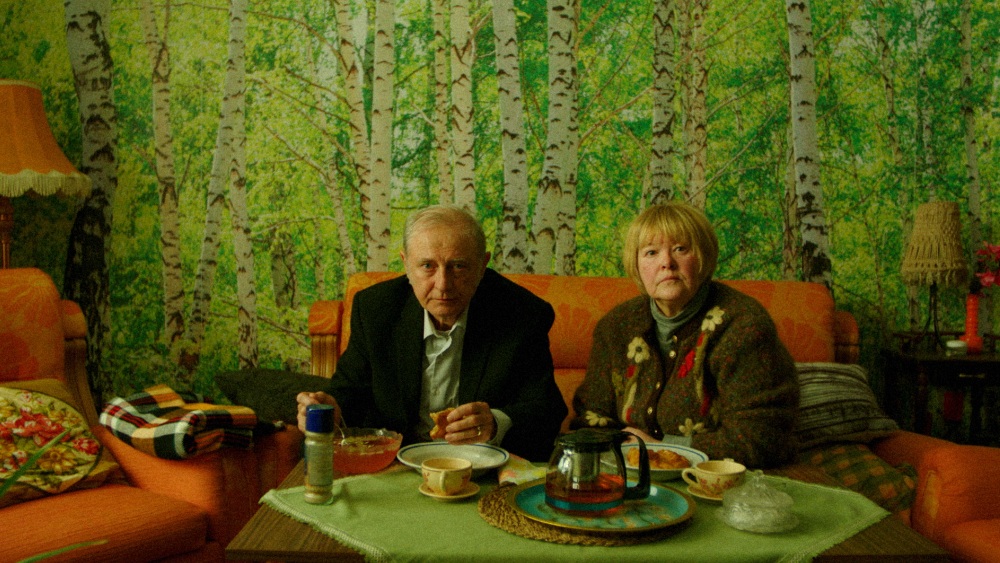
But you heroes are not brainwashed, they are just European Russophiles from the old generation. At the same time, these people are still human. Even if they are influenced or corrupted, they do not deserve death. How would you respond to that?
Kristina Grozeva: “What can I say? This is the reality we live in. We know many of these people personally. I cannot simply define them as good or bad. I also think it is not helpful to either victimise them or turn them into heroes.
“What we wanted to achieve was to understand them from within — to explore their way of thinking and to ask why they choose to believe in these kinds of self-deceptions.”
Petar Valchanov: “Why does the moral compass become so distorted?”
Kristina Grozeva: “Yes, exactly. Why does a person’s moral compass become so distorted that it becomes difficult to see reality as it is, rather than as one wishes it to be?”
Petar Valchanov: “As you said, this was very important for us. At the end of the film, we wanted the audience to continue the story in their minds and to reflect on the characters. Are they good, or are they not? We prefer to leave that judgment to the audience and to provoke them to think about it.”
Black Money for White Nights is screening at the 2026 Adelaide Film Festival, for more information, click here.
