


by FilmInk staff
What got you initially interested in the topic of your documentary?
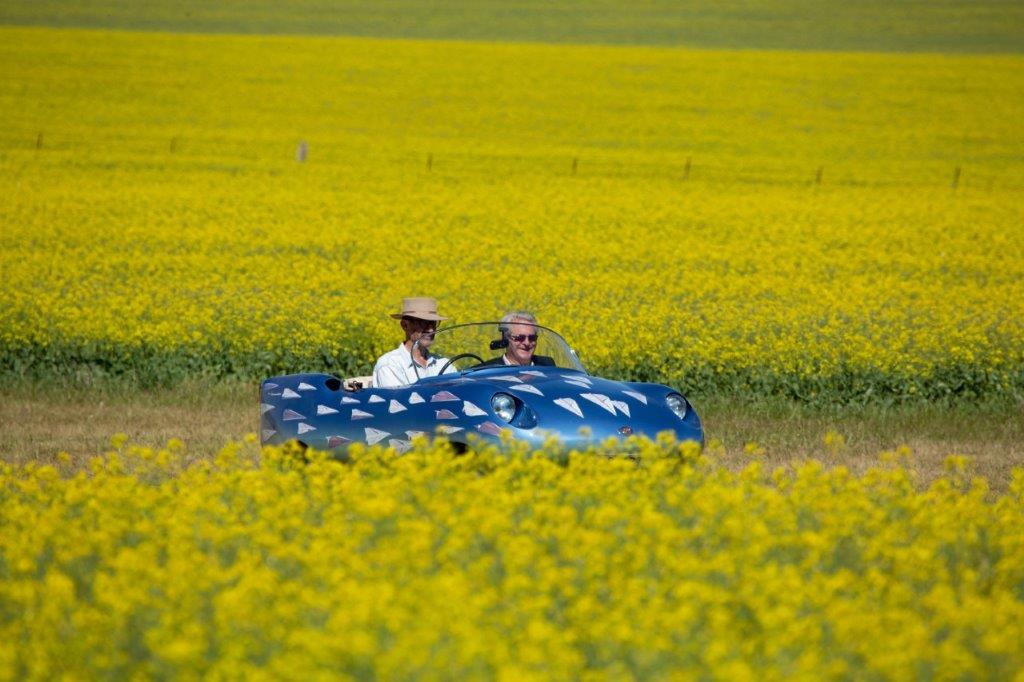
“Initially I joined the project to create a “behind the scenes” video intended to accompany the finished art car project when it toured galleries and events throughout Australia. I received a call one day from Jeff Brown – a collector of art and cars, asking me to come down and meet an artist, Robert Clinch. At his studio, they explained to me what they were trying to do, and I did find the project both amusing and fascinating. Robert’s art blew me away for its perfection and subject matter. He is a realist with an incredible gift for execution, usually employing the medium of egg tempera which is notoriously difficult to work in because it is unforgiving if you make a mistake. The canvas was to be a small, Australian designed ‘microcar’ called a Goggomobil Dart. I knew of this car only because I remembered very fondly the ad made for Yellow Pages in the ’90s featuring actors Tommy Dysart and Joan Brockenshire, where the Dart car was mentioned. So, the name had stuck in my brain. Later I obviously became familiar with the car and fell in love with its form. So, I guess this combination of art and engineering is what drew me to the project. However, it wasn’t until I dove right in with more questions and research, that I discovered that this was far more than just an art car project and certainly a bigger filmmaking challenge.”
What was the biggest challenge you faced while making your documentary?
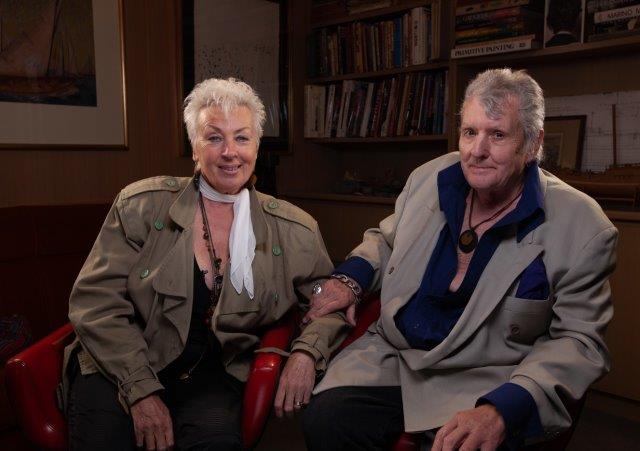
“Simply finding the story was my biggest challenge. It wasn’t that it was short of story and substance but rather that there was so much of it! How to connect the pieces and bring together the incredibly diverse and eclectic stories that surrounded the project in a meaningful way was the biggest challenge for sure. I knew there was something wonderful there but there was always the danger it could have resulted in a jumbled mess of fascinations with no common thread – if I wasn’t careful. The art car project is the glue that holds it all together, but it is the often eccentric mix of characters that populate the film that I think holds your interest. Individually, they all have an amazing story to tell that contributes to the film as a whole I believe. Searching for these stories meant that I conducted many interviews and as a result, amassed copious amounts of footage which had to be pared down during the editing and that is always a tough and laborious process.”
What was an important story or scene or interview you had to leave out of your documentary and why?
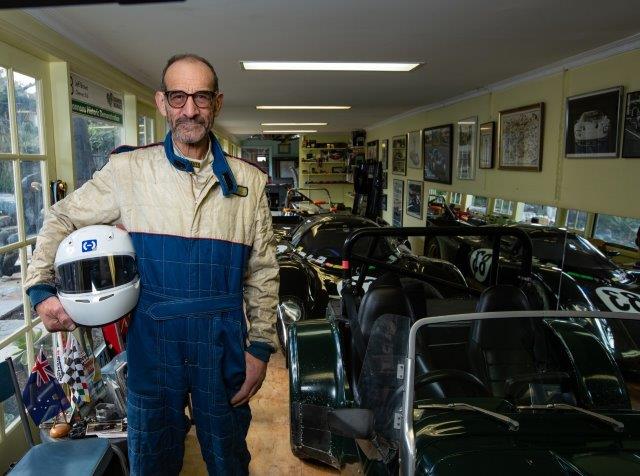
“I would have liked to have kept more of the history of the Goggomobil and its originating company Hans Glas Gmbh in Germany. There were sections I had to remove to boil the details right down. Similarly, I would have loved to show off more of Bill Buckle’s amazing story that goes beyond just the Dart car. He was quite an innovator and has a bigger story to tell in the future. Other scenes were cut down that I would have loved to have kept because they provided for more characterisation of the cast and had more humour, but they didn’t perhaps help to deliver an efficient fundamental storyline. It was very easy to get carried away and fall into a rabbit hole during editing. I think what remains is still truthful and descriptive while being as efficient as possible for the benefit of the audience.”
How has been the reaction towards your documentary so far?
“The reaction to the film has been fantastic. We sold out our premiere screening and it was invited into the first Australian Online Documentary Film Festival at MDFF in 2020. The film was nominated for “best Melbourne feature documentary”. However, it’s been the very kind remarks made by people that have seen the film that really thrills me.”
What are you most proud of about your documentary?
“I am proud to have been given the opportunity to bring this film to the big screen. With all the challenges facing filmmakers and artists these days, I think finding an audience who can appreciate your hard work, who are willing to listen to your story and come away with something meaningful, is always rewarding.”
What aspect are you unhappy about your documentary and why?
“Not everything is perfect of course. There are many things I would have done differently had it been a planned project. But this was not one of those documentaries with a budget, crew and a production manager. It’s more like a found object on a beach… It’s like stumbling onto a nugget… firstly painful and awkward but deliciously rewarding at its end. I would have shot the film on a higher-end format, used more appropriate lenses, and had a crew to help record even better pictures and sound. That said, what we used and ended up with, works and I am ultimately very happy with the outcome.”
What is next for your documentary?
“I am hoping to get D’Art screened far and wide but that is proving to be a challenge in these Covid times. On Sunday the 7th of Feb, at 11 am, the film is screening at Cinema Nova in Carlton Victoria as part of the MDFF 2020 screenings and I hope we can get a reasonably sized audience to overcome their fears of Covid and come see the film on the big screen.”
What is the next project you are working on?
“Before the pandemic sprung the world levers, I had been shooting another documentary about Australia’s first computer CSIRAC. For a long time, I have been running an ongoing Youtube series called “State of Electronics”, which covers the history of technology in Australia. CSIRAC is another amazing story that just blows you away with what they were able to achieve back in the 1940s, in isolation from the rest of the world thanks to WW2. I am hoping to return to that as soon as restrictions and opportunities allow.”
