



by Boyd Patton
For decades, audiences discovered new films through a fairly limited set of channels. Cinema trailers introduced upcoming titles, newspapers published reviews, television carried advertisements, and recommendations from friends helped people decide what to watch. These routes still exist, but streaming has changed their role. Viewers now encounter films while they browse digital catalogues, check personalised suggestions, follow online discussions, or search for something that matches a specific mood or interest.
This change affects more than the place where people watch films. It alters how a title first reaches their attention. A viewer might open a streaming service without a particular film in mind and choose something within minutes. Digital habits often overlap, so someone may encounter discussions about playzini while browsing entertainment content before noticing a film recommendation in the same online session. Discovery now happens across several digital activities rather than through one clearly defined promotional route.
Discovery No Longer Starts at the Cinema
Cinema once played a central role in introducing audiences to new titles. Posters filled foyers, trailers appeared before screenings, and theatrical schedules created clear points of public attention. Viewers often learned about a film because distributors placed it in cinemas and supported it with advertising.
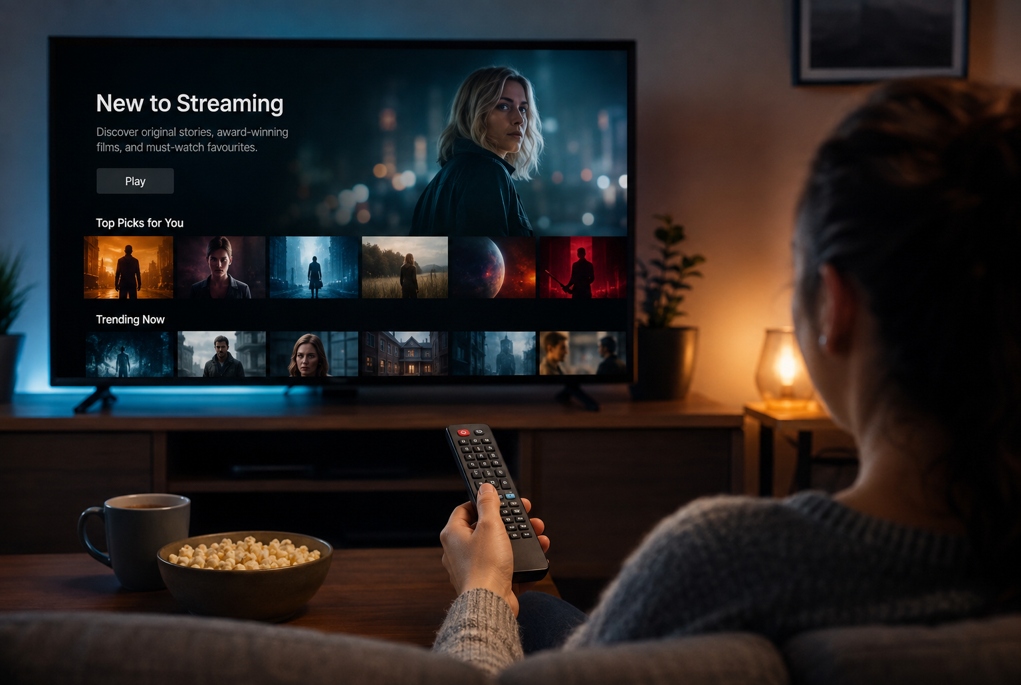
Streaming changed that sequence. People can now discover a film directly through the screen where they plan to watch it. They do not need to see a poster weeks earlier or read a review before opening a catalogue. The viewing service itself acts as a discovery space.
This creates a much shorter distance between awareness and viewing. Someone can notice a title, read its description, watch a preview and start the film within a few minutes. That speed changes how audiences make decisions.
It also gives older titles another chance to attract attention. Cinema schedules usually move forward quickly because theatres need space for new films. Digital catalogues work differently. A film from several years ago can appear next to recent productions and attract viewers who never encountered it during its original theatrical run.
As a result, the idea of a strict opening period carries less weight for discovery than it once did.
Algorithms Have Become Digital Film Guides
Streaming catalogues can contain hundreds or thousands of titles. Few viewers want to examine every option. Recommendation systems help reduce that volume by studying viewing behaviour and suggesting films that may match individual interests.
These systems can consider several signals, such as:
- genres that a viewer watches frequently;
- films that the person starts and finishes;
- titles that the viewer stops watching early;
- recent searches;
- viewing times and device habits;
- similarities between one title and other films in the catalogue.
This process gives each person a different route through the same collection. Two viewers can open the same service and encounter very different selections.
That distinction matters because digital placement affects visibility. A film does not need to appear prominently for every subscriber to gain an audience. It may reach smaller groups whose previous behaviour suggests a genuine interest in its subject, genre or style.
The system can therefore connect specialised films with viewers who might otherwise miss them. Documentaries, foreign-language productions and smaller independent projects can benefit when recommendation tools place them in front of interested audiences.
Algorithms, however, do not remove human choice. People still search manually, respond to recommendations from friends and follow discussions outside streaming services. Automated suggestions simply add another route into the decision process.
Search Has Changed What People Can Find
Traditional film discovery often depended on what cinemas, broadcasters or retailers chose to display. Streaming search gives viewers more control.
A person can look for a specific actor, director, genre, subject or title. Some viewers search according to immediate interests rather than established film categories. They might want a short comedy, a historical drama, a documentary about sport or a thriller for an evening at home.
This behaviour creates a more intentional form of discovery. Instead of asking, “What new film has arrived this week?” audiences increasingly ask, “What do I want to watch right now?”
That difference changes the value of large catalogues. The number of available titles matters less if viewers cannot find relevant choices quickly. Search functions, categories and recommendation tools therefore play a major role in whether a film attracts attention.
Search also gives older productions continued exposure. A viewer who becomes interested in a particular subject can find films from different years within seconds. Chronology no longer controls discovery as strongly as theatrical schedules once did.
Social Discussion Works Alongside Streaming
Streaming does not operate separately from the wider internet. Social networks, forums, video platforms, podcasts and online publications all influence what audiences choose.
A small film can attract attention after viewers begin discussing a particular scene, performance or subject. People who encounter those conversations can search for the title immediately. This direct connection between discussion and access can create sudden increases in interest.
The process also works in reverse. Someone may discover a film through a streaming recommendation, watch it, and then discuss it online. That conversation introduces the title to another group of potential viewers.
This cycle gives audiences a more active role in film discovery. Traditional advertising still attracts attention, but viewers now contribute heavily to circulation through comments, reviews, recommendations and shared clips.
Word of mouth has always mattered to cinema. Digital communication increases its speed and geographical reach.
A recommendation between two friends once stayed within a small social group. Today, a short discussion can reach people in several countries within hours. That does not guarantee long-term attention, but it can expose a title to viewers who had no previous knowledge of it.
Older Films Can Return to Public Attention
One of streaming’s most significant effects involves catalogue films.
Before widespread digital viewing, audiences often needed television schedules, physical media or specialist cinemas to find older productions. Access varied greatly according to location and availability.
Streaming gives catalogue titles a different type of visibility. A service can place an older film in a themed collection, connect it to a viewer’s previous choices or feature it after renewed public interest in its subject.
This can produce surprising viewing patterns. A film does not necessarily disappear from public discussion after its initial theatrical period. It can attract another audience years later.
Several factors can cause renewed interest:
- A new film may lead viewers to explore earlier work from the same creative team.
- Online discussion may draw attention to a forgotten title.
- A current event may make an older documentary or drama relevant again.
- A genre trend may encourage viewers to search for earlier examples.
- Recommendation systems may introduce catalogue titles to younger audiences.
These patterns make film discovery less dependent on calendar dates.
For viewers, this creates a broader relationship with cinema history. Someone who starts with a recent film can quickly move toward productions from earlier decades without changing the basic viewing environment.
Independent Films Face a Different Discovery Challenge
Streaming can help smaller productions reach audiences, but access alone does not guarantee attention.
A digital catalogue may contain a large number of films competing for limited viewer interest. An independent title can technically reach a wide audience while remaining difficult to notice.
This makes presentation important. Cover images, descriptions, categories, recommendations and search results can affect whether someone stops to examine a film.
Independent productions may gain from precise categorisation. A specialised documentary does not need to attract every viewer. It needs to reach people who already show interest in its subject. Digital systems can make those connections more practical than broad advertising campaigns.
At the same time, filmmakers and distributors need to understand how people browse. Viewers often make quick choices, particularly when they face many options. Clear information about genre, subject and tone can help them decide whether a film matches their interests.
Streaming therefore expands access while creating a new visibility problem. The challenge no longer involves only getting a film onto a screen. It also involves helping the right audience find it.
Viewing Habits Influence Discovery
Where and when people watch films also affects what they choose.
Cinema requires a planned visit. Streaming fits into many different situations. Someone might watch a film on a television at night, continue it on another device later or browse titles during a short break.
These habits encourage different selection patterns. A viewer with three free hours may choose differently from someone looking for a 90-minute film before bed.
Runtime information now appears directly beside descriptions, ratings and genre labels. That allows practical factors to influence discovery before a viewer even considers the story.
Streaming also supports immediate changes of mind. If one title fails to hold someone’s interest, another option sits only a few clicks away. This increases competition for attention and encourages viewers to evaluate films quickly.
The effect reaches film presentation as well. Strong descriptions and accurate categorisation help people understand what they can expect before pressing play.
Global Access Broadens Film Discovery
Streaming has also increased exposure to films from different countries.
In the past, international cinema often depended on specialist theatres, festivals, television programming or physical distribution. Digital catalogues can make films available across multiple territories at the same time, although licensing rules still create regional differences.
Subtitles and dubbing also reduce practical barriers for many viewers. People who once watched mainly domestic productions can encounter films in several languages within the same interface.
This access can change viewing habits gradually. A viewer may start with one international thriller, receive suggestions for similar titles and then explore films from regions they had rarely considered before.
That process can expand interest without requiring viewers to seek out specialist film channels.
Still, availability does not automatically create awareness. Services need useful categories and search functions if they want audiences to find international titles. Discovery depends on visibility as much as access.
Human Recommendations Still Matter
Despite the growing role of automated systems, people continue to influence each other’s viewing decisions.
Friends, critics, journalists, filmmakers and online communities provide context that algorithms cannot always capture. A person can explain why a film deserves attention, discuss its themes or connect it with current cultural conversations.
Human recommendations can also push viewers outside their established habits. An algorithm often works from previous behaviour. A friend may suggest something completely different.
This creates a useful balance. Automated systems help audiences manage large catalogues, while human discussion introduces surprise and context.
Film publications also retain an important role because they can examine titles in greater detail than a catalogue description. Interviews, festival coverage, criticism and production stories give readers reasons to consider films they might otherwise overlook.
Streaming has not removed film culture from the discovery process. It has added new layers to it.
A More Continuous Form of Film Discovery
Streaming has changed film discovery from a sequence of scheduled events into a continuous activity. Audiences no longer need to wait for a cinema opening, television broadcast or physical edition before they encounter many titles.
They can discover films while browsing, searching, reading, watching short videos or talking with other viewers online. New productions compete for attention alongside films from previous decades. International cinema sits closer to domestic work. Independent projects can reach specialised audiences without relying entirely on traditional distribution routes.
This system also creates challenges. Large catalogues can overwhelm viewers, recommendation systems can narrow choices, and digital availability does not guarantee that audiences will notice a particular film.
Yet the basic change remains clear. Streaming has expanded the number of moments in which discovery can happen. It has connected awareness more closely with immediate access and weakened the old boundaries between new films, catalogue titles and international productions.
For audiences, finding a film now involves a mixture of technology, personal choice and human recommendation. That combination continues to change how people build their viewing habits and how films find an audience long after their first appearance.
