


by Will Finch
Cinema is more than escapism. While movies can offer entertainment, thrill, and fantasy, they also operate as mirrors—reflecting the values, tensions, hopes, and fears of the societies that produce them. Throughout history, films have evolved alongside the very cultures they portray, capturing subtle undercurrents of change and broadcasting them to wide audiences.
When carefully observed, movies become time capsules, narrating not just fictional stories but real societal transformations. From gender roles and racial dynamics to political climates and technological anxieties, the screen has chronicled it all.
Visual Storytelling as a Cultural Archive
Movies, at their core, are records. Even when a story is fictional, the style, language, set design, and character interactions give away a lot about the time and place in which it was created. A romantic comedy made in the 1950s feels fundamentally different from one made today, not just in its fashion choices but in its assumptions about love, gender, and power.
Consider the 1970s New Hollywood era. Directors like Martin Scorsese and Francis Ford Coppola began exploring gritty, morally ambiguous characters—reflecting a country wrestling with Vietnam, Watergate, and cultural disillusionment. Audiences were ready for complexity because society itself was uncertain.
The Civil Rights Movement and Representation
One clear example of societal change through film is the evolving portrayal of race. In the early 20th century, films like The Birth of a Nation infamously reinforced white supremacy. Fast forward to the civil rights era, and we begin to see more nuanced, if still imperfect, portrayals of Black characters.
Movies such as Guess Who’s Coming to Dinner (1967) began challenging audiences to reconsider deeply held prejudices, even if the framing still catered to white comfort. The conversation deepened with Spike Lee’s Do the Right Thing (1989), which didn’t just reflect racial tensions—it stirred them. That film dared to end without resolution, mirroring how unresolved systemic issues remain in real life.
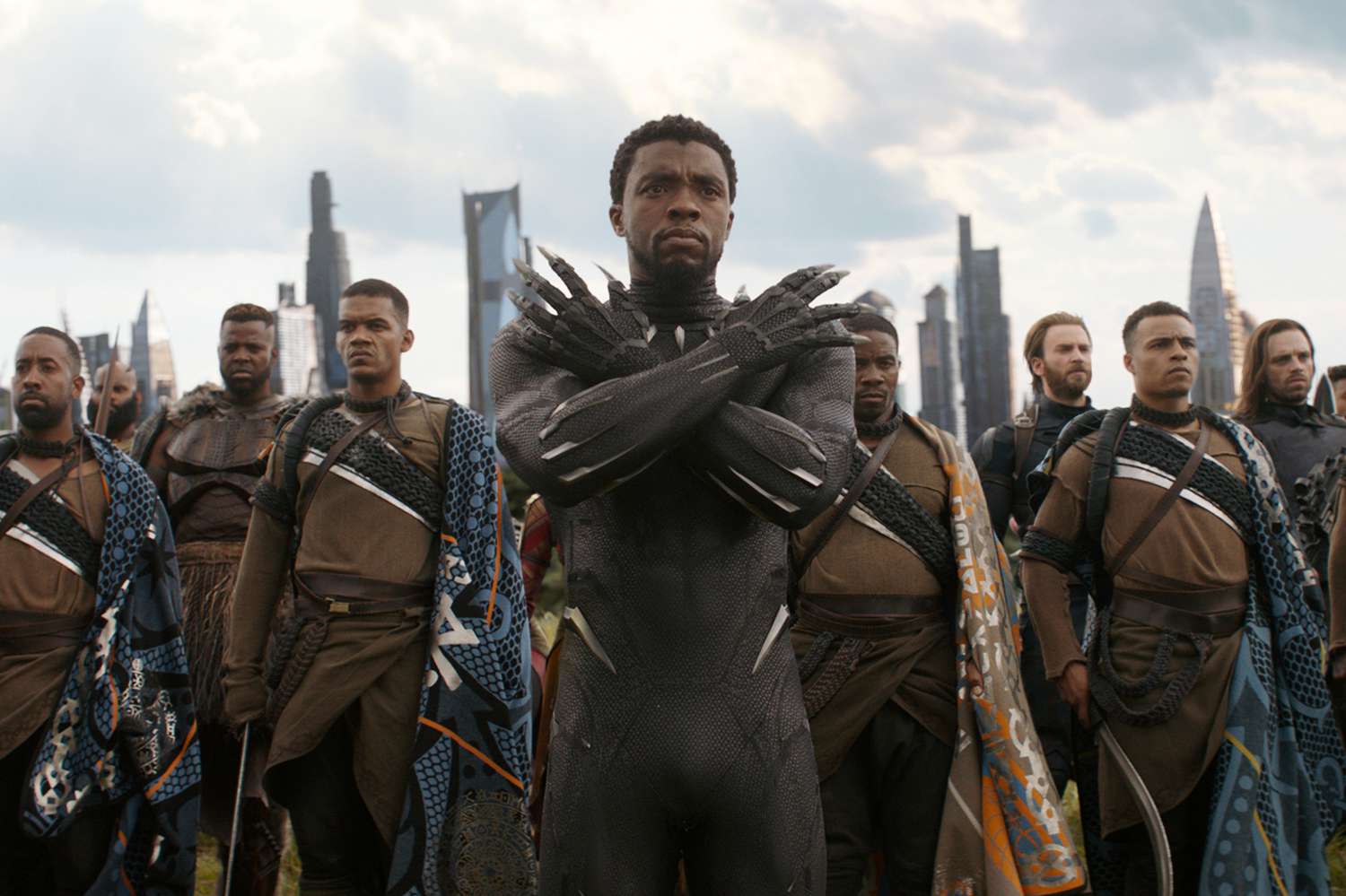
As conversations around race and equity progressed, so too did representation in mainstream cinema. The success of Black Panther (2018) wasn’t just a box-office triumph; it was a cultural statement, celebrating African heritage and identity in a genre that had long excluded such narratives.
Gender Norms and Changing Archetypes
Cinema has long been a battleground for gender expectations. Classic Hollywood positioned women as damsels, femme fatales, or loyal sidekicks. Rarely were they allowed to lead, and if they did, it was often framed as exceptional.
But with the rise of feminist discourse, films began to break that mold. The 1980s introduced characters like Sarah Connor (The Terminator) and Ellen Ripley (Alien)—women who fought not only aliens and machines but stereotypes. These weren’t just strong female characters; they were complex individuals in command of their own destinies.
Today, films like Lady Bird, Portrait of a Lady on Fire, or Everything Everywhere All at Once don’t just present women as protagonists—they explore womanhood itself in all its contradictions and messiness.
And let’s not forget the rise of non-binary and trans representation. Although still emerging, this shift reveals a broader cultural recognition of gender as a spectrum—something unthinkable in cinema just a few decades ago.
Film as a Tool for Political Expression
Cinema’s political muscle is not new. From Soviet propaganda films in the early 1900s to modern documentaries like 13th or Citizenfour, filmmakers have long used the medium to challenge authority, expose injustice, or rally for reform.
During wartime, films often serve as morale boosters or cautionary tales. Consider Casablanca, subtly urging American involvement in World War II, or The Deer Hunter, which reflected the psychological scars of Vietnam.
Political satire has also thrived in film. Dr. Strangelove turned Cold War paranoia into absurdist comedy, while The Death of Stalin turned historical terror into dry, dark hilarity—showing that laughter can be a sharp weapon.
Even in entertainment-driven genres, subtext often reveals societal tensions. The resurgence of dystopian films like The Hunger Games or Snowpiercer hints at collective anxieties around inequality, surveillance, and the abuse of power.
The Digital Age and Social Media in Film
In the 21st century, digital culture has transformed not just the way films are made but what they explore. Stories now interrogate online identity, disinformation, and digital loneliness.
Movies like Her, The Social Network, or Searching dive into the paradoxes of constant connectivity. They echo society’s evolving relationship with technology—both fascination and fear.
Interestingly, this shift is also visible in film marketing and monetization. Streaming platforms changed how films are distributed and consumed, leading to debates about the death of theaters or the rise of binge culture. What used to be a shared event is now a private algorithm-fed experience.
Even in unrelated contexts, the language of digital incentives bleeds into daily life. A character in a recent indie film joked about a $25 sign up bonus instant withdraw app they discovered while bored on a bus—blurring the line between fiction and the hyper-commercialised language of modern existence.
Such subtle inclusions show how culture permeates even the most offhand moments on screen.
Cultural Memory and Global Perspectives
As globalisation accelerates, films increasingly function as vehicles for cultural memory—not just for their country of origin, but for the world. International films like Parasite, Roma, or The Salesman have resonated across borders, proving that specific stories can carry universal weight.
Parasite, in particular, captivated global audiences with its critique of class dynamics, told through a uniquely Korean lens. The mansion and the semi-basement apartment weren’t just architectural choices—they symbolised a system of economic stratification that felt all too familiar, regardless of geography.
Global cinema reminds us that while cultures differ, the core themes of justice, identity, love, and fear unite us. Film becomes a shared language, even when subtitles are required.
The Power of Escapism and Its Limits
Of course, not every film seeks to provoke or reflect. Sometimes, people just want to escape—to laugh, to cry, to forget the news. That, too, is a cultural need.
Musicals, fantasy epics, and animated adventures often provide relief in times of collective stress. The rise of superhero movies coincided with global instability—a desire, perhaps, to see someone fix what feels broken.
Still, even escapism is telling. What we choose to flee to says something about what we’re fleeing from.
Film as Cultural Feedback Loop
Films don’t exist in a vacuum. They absorb the air of their time and breathe it back in the form of story. Whether they tackle injustice head-on or simply offer a new lens through which to view love, identity, or loss, movies tell us who we are — or who we’re becoming.
Watching cinema critically allows viewers to understand not just the characters on screen, but the people sitting beside them in the theater, and the culture shaping it all.
So the next time a film leaves you stunned, angry, moved, or even mildly uncomfortable, pause for a moment. It may be telling you more about your world than you realise.
