


By Erin Free
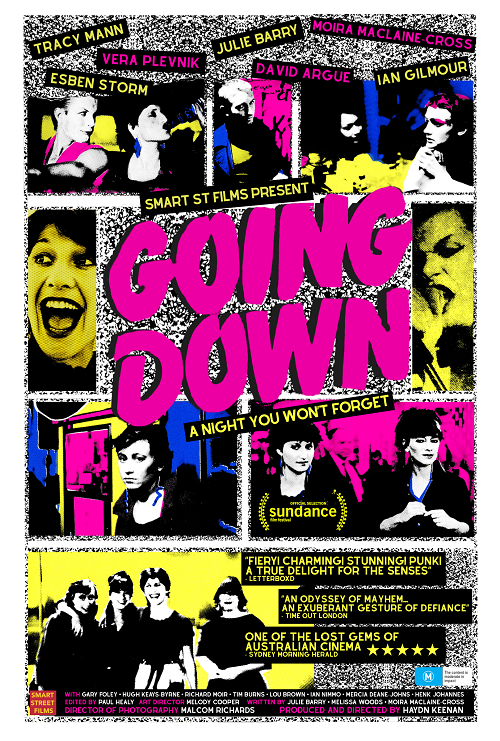
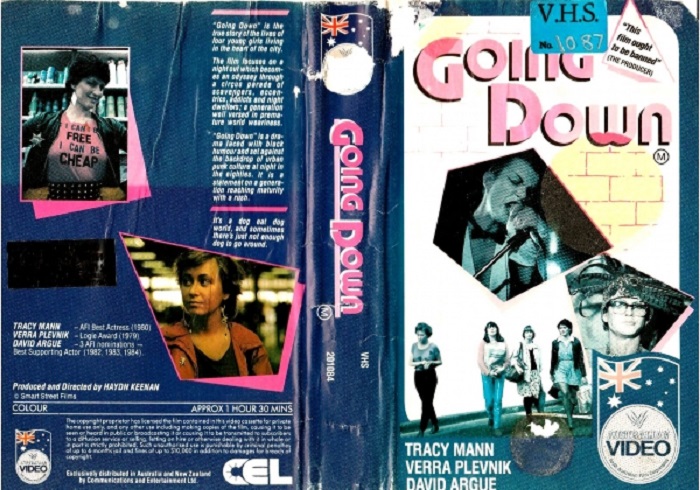
Aussie director Haydn Keenan’s 1982 cult fave Going Down – the wild, freewheeling tale of one incredible night out in a grungily glittering Sydney that simply doesn’t exist anymore – has been lovingly dusted off and restored for a brand-new cinema release.
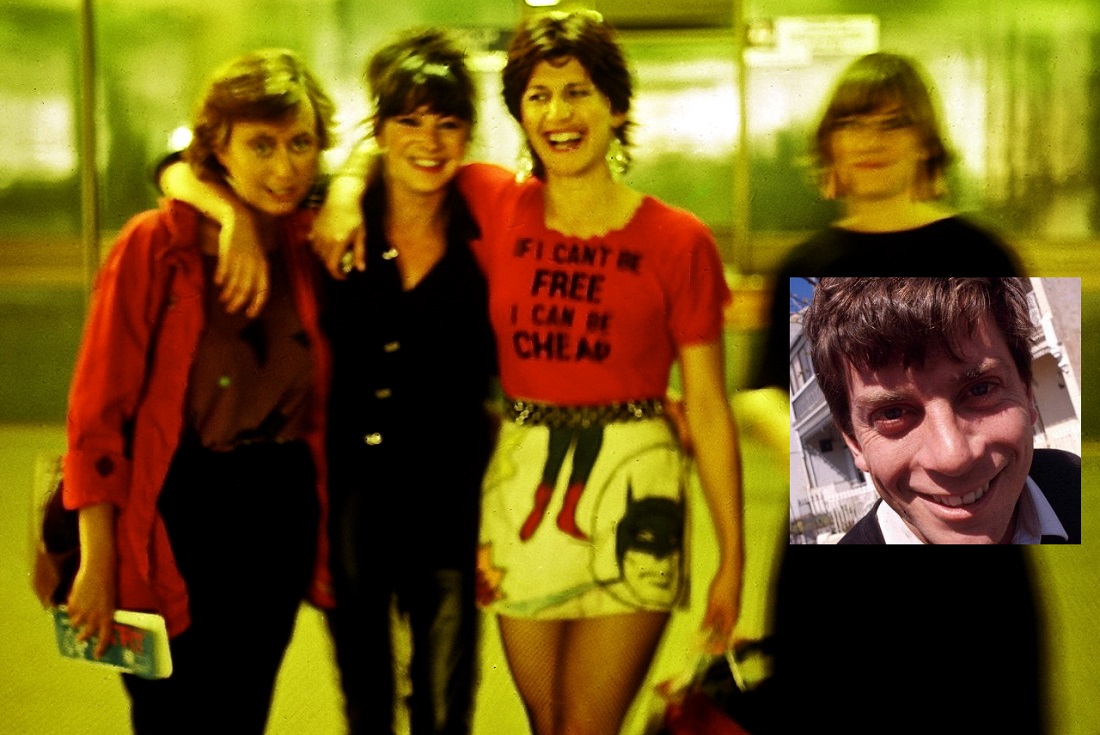
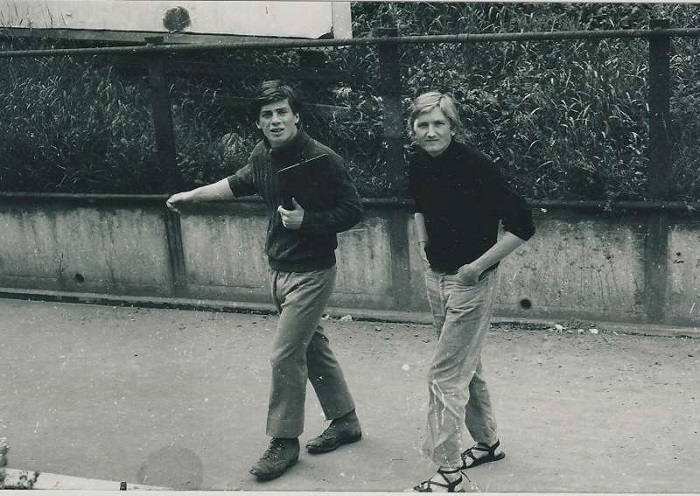
When the gritty, energetic comedy-drama Going Down was released into Australian cinemas back in 1982, this low-budget wonder clicked with the young audiences it was directly aimed at, pulling in big numbers at city cinemas and roadshow screenings in the suburbs. Written by Melissa Woods and two of the film’s co-stars, Moira Maclaine-Cross and Julie Barry, Going Down was a rare female-driven Aussie flick for the time, and also marked the feature debut of director Haydn Keenan. Keenan was and still is a partner in Smart Street Films, a company he formed in Melbourne in 1969 with the late actor and director Esben Storm.
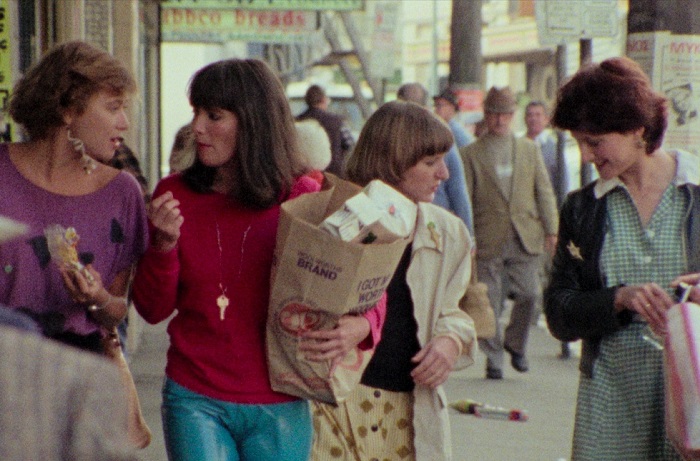
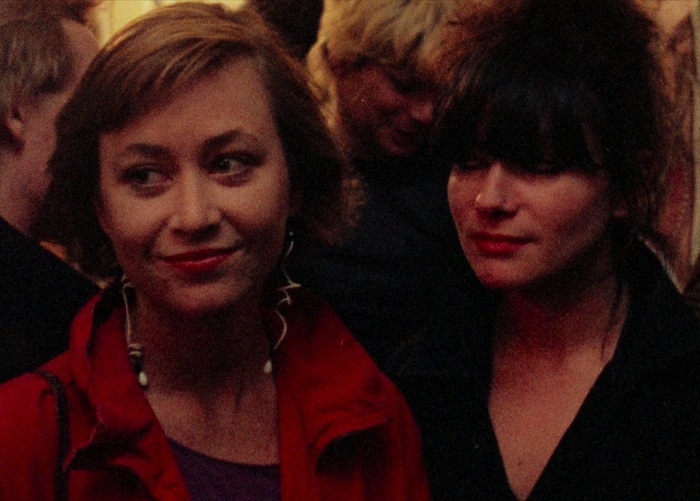
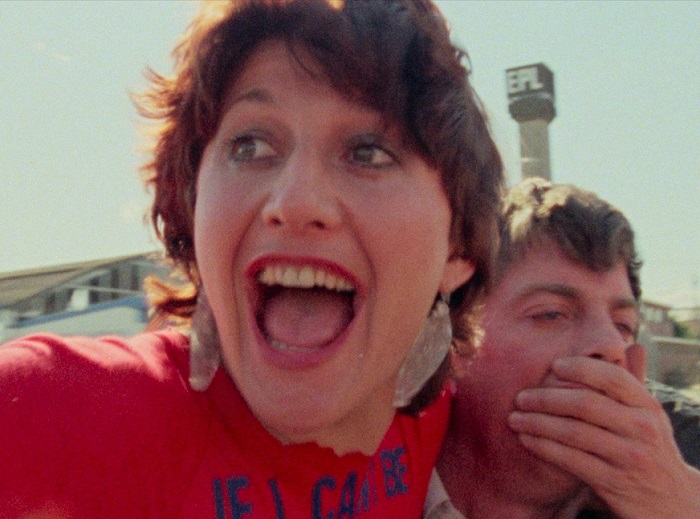
The duo had previously collaborated on the extraordinary 1974 drama 27A (the powerful story of an alcoholic unjustly committed to a mental institution), which Storm wrote and directed, and the wild and optimistically bittersweet Going Down was a major detour for Keenan. Shot for next to nothing in a run-and-gun style in a hectic, grungy Sydney now lost to over-development and gentrification, Going Down unfolds over one eventful night. Tracy Mann’s Karli is set to leave Sydney for the bright lights of New York, and concocts a mighty farewell with her three share-house friends, which sends the quartet dashing heatedly around town in search of a good time. The women brush up against a wildly entertaining group of characters, and learn something about themselves before the night is over.
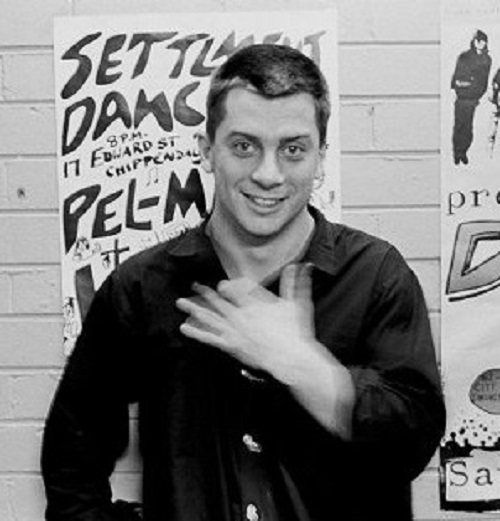
Though a hit upon release, and later on VHS, Going Down had fallen off the radar somewhat, so Keenan – still a busy producer and director across TV and feature film – set about getting the film restored himself as a remarkable labour of love. At around the same time, Elizabeth Purchell of edgy American distribution company Muscle discovered a battered old VHS copy of Going Down in a New York video store and promptly fell in love with it. “The relationships between the four girls and their concerns about life are universal,” Purchell says. Muscle quickly picked up Keenan’s restored version of Going Down, and set up a boutique release in the US.
Keenan has now set up a local theatrical re-release of Going Down, which kicks off on May 15. “Digital technology has made the pictures glow, and Australian Crawl, Pell Mell and Nick Cave sound better than they ever did,” Keenan says. “I’m indebted to the generosity of everyone who worked on the restoration and heartened to know that the old school industry family is still alive and well.”
It’s so exciting to see Going Down returning to cinemas! You were across the restoration of the film yourself?
“The National Film & Sound Archive had declined to be involved in the restoration of any of our films and facing the prospect of them turning up in a dusty can on a shelf somewhere in the future, I set about trying to restore them myself. Whilst I didn’t have the money to pay, I started ringing around places that scanned film. One of my first calls was answered by Peter Richards at The Grainery in Canberra. Peter had restored Picnic At Hanging Rock and Crocodile Dundee and I was halfway through my cap-in-hand pitch when he stopped me and said he’d scan all our films. He knew them and loved them and thought they should be preserved and preferably out there for an audience to see. I was totally gobsmacked. It was a godsend. Peter scanned the camera original 16mm A+B rolls of Going Down and got every pixel of information out of them. I then approached Josh Pomeranz at Spectrum Films, and again, in an act of great generosity, he agreed to grade and mix the film. He knew I’d been a contemporary of his dad Hans, and in a funny way, expressed film industry family solidarity. Spectrum did an outstanding grade on the film. Paradoxically, today’s technology has allowed it to look better than it did originally in those celluloid analogue days. Head of sound at Spectrum, Angus Robertson, had been working in the back room as a young fellow at United Sound when Peter Fenton and Phil Haywood mixed the film. Now, forty years later, he was head of the sound department at Spectrum and remembered how much he loved the picture originally. Again, we went back to the original magnetic and they’ve even created a little 5.1 track. Now the music really hits you in the chest. It’s a wonderful sounding track and a really beautiful grade with deeply saturated colours that make the thing look a little bit like a punk screen-printed poster.”
So, you’d finished restoring the film before Elizabeth Purchell “discovered” it in the US? Were you familiar with her and Muscle Distribution? They’re pretty transgressive…
“Yes, we hadn’t long completed the restoration of Going Down when Liz Purchell contacted me. The serendipity was extraordinary. I wasn’t familiar with Liz’s work and I think Going Down is the first film that her new distribution company Muscle took on to launch her company. She did a great job in New York and then took it to seventeen cities around the US. I was shooting a documentary in London at the same time as the opening in New York and flew over. The film went down exactly as it had here all those years ago. In particular, young women really responded to the characters in the storyline. In fact, it was this American response which made us think we should get it into cinemas again in Australia. Funnily enough, there were a couple of comments in the US about subtitles being handy! It took them awhile to tune in to our accent. I supplied quite a bit of the source art to Liz and we talked through the street punk grunge element that was in the film and that could be represented in the posters and the trailer. She did a great job and the film and its PR materials are nicely in sync.”
What kind of materials did you have in terms of your restoration? How did you work with Spectrum etc? Can you take us through the process of how you got the film looking so good?
“We shot night exteriors with very little lighting and Malcolm Richards the director photography did a great job given the lack of resources. The essential thing with the restoration was keeping blacks black. The capacity of today’s digital technology meant we were able to isolate parts of the frame and alter the exposure without messing up the density in the rest of the frame. So different to the old days when you had effectively light, medium or dark as your choices when grading! I’m absolutely rapt in how the film looks. It’s exactly how we intended it. We didn’t want to get rid of the grain; that grainy look gives it the veracity that you would have to pay for in post-production nowadays. The generosity of Peter Richards, Josh Pomeranz and the whole team at Spectrum was really humbling. There was a real sense of a film family still in existence and I’m forever grateful for the wonderful work they did.”
How has it been putting together this upcoming Aussie re-release? What has the response been like from cinemas etc? There aren’t too many Aussie flicks that can genuinely qualify as “near lost” cult classics…
“Putting together the upcoming Australian theatrical release has been a massive task. At the time of writing, we’ve got about twenty screens and more coming on as word gets out. It’s really tough in the exhibition landscape at the moment. Cinemas are in a difficult situation. In the old days, a film could often have the luxury of building over a few weeks. Those days are long gone. You have to hit it hard in that first weekend. To that end, we’ve done some previews in Melbourne and Sydney to try and overcome a lack of a PR budget by getting preview audiences spreading the word for us so we can get over the lip of that first weekend and have cinemas booking us for a second and third weekend. Word of mouth has always been the strongest advertising you can have. It seems to be working at the moment. We’ve had sold out previews at the cinematheques in Melbourne and Sydney and overwhelmingly good responses. The Letterbox reviews are quite over the top with people asking how come we’ve never heard of this film before. That said, there’s always a gap between enthusiastic previews and social PR, where we’re getting 50,000 hits on our posts, and those same people coming out and buying tickets. I’ve got two young filmmakers helping with the distribution. Billy White is an extraordinary up and coming young filmmaker and Emma McAllen is a current AFTRS student. They’re handling the digitals which are so critical today. Fingers crossed, but we’ve got street cred, a scorching music track, and funnily enough, an almost archaeological slice of Australian cultural life from the early 1980s when there was a band in every pub. There aren’t many films in the space occupied by Going Down. We always kept our audience in mind so the film delivers for viewers. People work hard for their money and if they’re paying $25 to see your film I want to give them a $30 movie. Too often we pay 25 bucks and see a $21 movie! Well, with Going Down, if you ever walked out of a Star Wars movie as a kid and did Lightsabre sword fighting on the way home, well, when you come out of Going Down, you’ll wanna have a couple of drinks and hit the town!”
Can we take you waaaaayyyy back…how did Going Down originate back in the early 1980s? You have three young female writers, which was certainly far from the norm back then…
“The film came out of a loosely structured memoir written by a group of female friends about their lives. I’d been in an acting group with the older sister of one of them who approached me. It was a long gestation with repeated rejections by the cultural authorities. But there was the desire and total commitment to make what was an extraordinary piece of writing and insight into the lives of these young women into a film that people would pay to see. The film was an outlier from the beginning. The screen authorities didn’t think there was any legs in the story.”
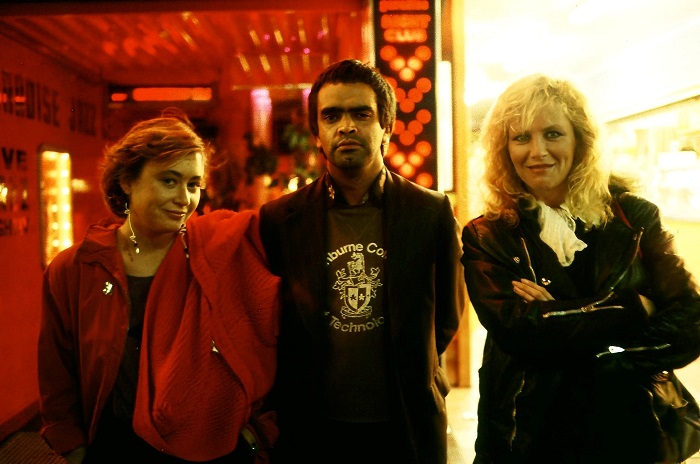
You were obviously working with a low budget, on near-guerilla conditions…what was the shoot itself like? Controlled chaos, or uncontrolled chaos?
“Yes, the budget was virtually non-existent to begin with. Having been rejected by the cultural authorities, the film proceeded regardless. We started shooting with about $5000 in the bank, enough to pay the first week’s wages. We gradually cobbled together money from various sources as we went on. Most of the crew were friends of mine, some of whom had worked on our award-winning first feature 27A. Whilst we didn’t have many resources, all the heads of department were experienced and knew how to cheat to get production value on screen. That said, several of the most memorable scenes in the film come from necessity being the mother of invention. When we couldn’t achieve the effect photographically, the art department came in with radical suggestions which we went with. It was a really fantastic team behind the camera. Putting great teams together is half the battle. No one was afraid to toss in suggestions and no one was precious if their suggestion didn’t get up. They’d come back with another suggestion a couple of days later. It was a great creative process and there’s nothing like sitting in a drag bar in Kings Cross at 4 am when you finish shooting having a couple of drinks, exhausted and elated with great filmmaking friends.”
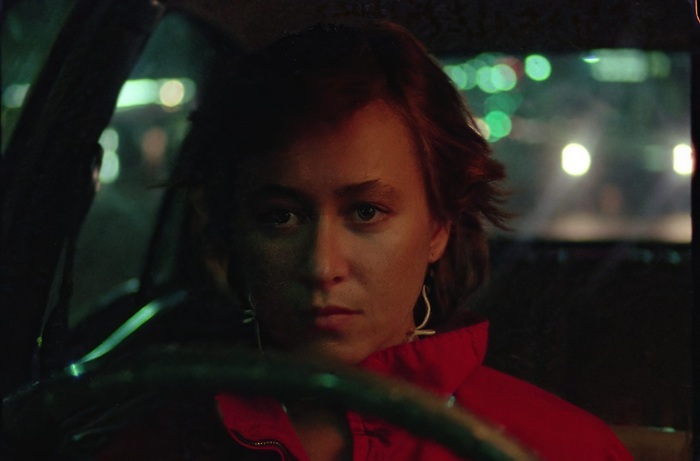
You were blessed with an incredible cast. Can you talk a little about your leading ladies, and how you worked with them?
“Looking back at it, I can only say what a wonderful cast we had. From the leads through to walk-ons, everyone is memorable. I’d been working with Martin Sharp on the Tiny Tim film, the legendary longest edit in the history of the world, when I saw a small film from Melbourne called Hard Knocks. It starred a young Tracy Mann who delivered an extraordinary performance. We cast her as Karli, the girl who’s leaving town and the focus of our story. Two of the writers, Moira Maclaine-Cross and Julie Barry, played themselves, and the third girl was originally played by one of the real girls who was ultimately replaced by actress Vera Plevnic. Vera had won a Logie for Best New Talent the year before and she embraced the role of the fragile alcoholic in a heart-rending performance.”
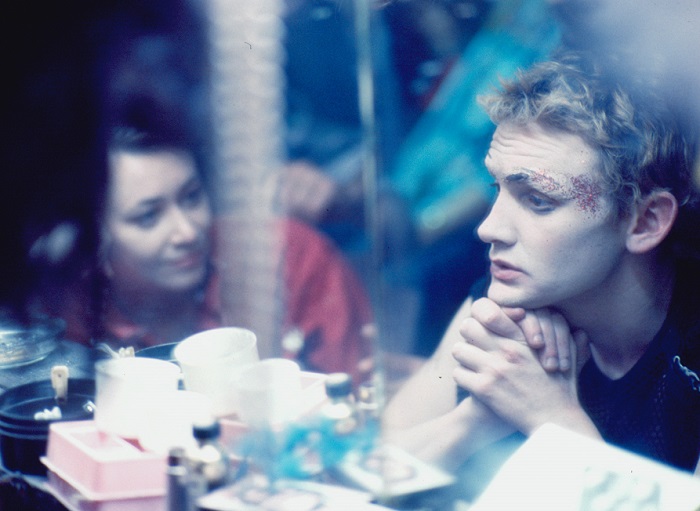
The late, great David Argue…do you have a few words on this extraordinary talent? Or more than a few??!!
“I met David when he was about 19. [Actor] Richard Moir had brought him round to our studio saying I’ve got this great young bloke you’ve gotta meet. He was right. David and I were friends for 50 years until his death last year. I miss him greatly. He was a unique talent. The youngest ever actor accepted for NIDA and a truly original artist. His mother had been a dancer and his father was a comedian and magician with ‘Disney’s Holiday On Ice’ for many years and David grew up absorbing their skills. He had the most extraordinary ability to construct a character out of pieces drawn from a cartoon he’d seen, that person on the far side of the room with the funny stance and a vocal inflection that he picked up from you. A pair of glasses or some other little prop would be roped in to assemble the jigsaw into something that was a vivid three-dimensional character drawn from these disparate places. There’s no doubt he was a naughty boy and he paid the price. I worked with David on two films and we put on a play of Samuel Beckett’s play Krapp’s Last Tape which was something entirely different from anything you would generally recognise as David’s work. I loved working with him and I didn’t have trouble. Certainly not the trouble it seemed to have affected him in the eyes of others. The dilemma was perhaps that producers were scared of him. The paradox was, audiences adored him on stage and on screen. Every time he came on, they fell out of their seats laughing. David Argue would eat Jim Carrey for breakfast, and I understand that Jim was problematic for producers too. Jim sold tickets like David did and that’s what mattered. I experienced a number of people who said, ‘Oh, I wouldn’t work with him’ and when I asked if they had met him, they said no. That was telling. I loved David dearly and the shorthand in our relationship was always one of the great joys of my life. Australia can be a harsh mistress.”
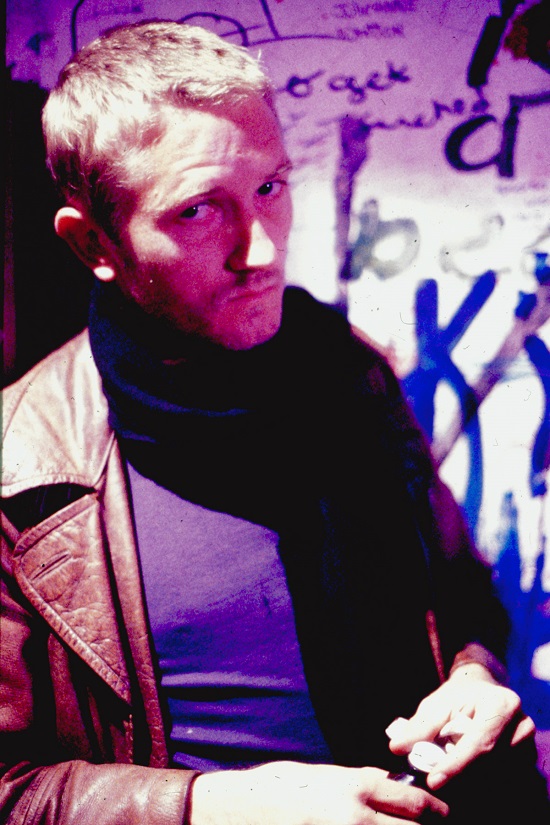
As well as your leads, there are some truly fascinating Aussie figures in the film (Gary Foley, Esben Storm, Hugh Keays-Byrne, Richard Moir, Steve J. Spears, Charles Waterstreet)…I know some were, but were they all friends? How did they end up in the film?
“Going Down took the best part of three years shooting and cutting to be made. Initially, we were roping friends into the cast. Esben Storm and I had formed Smart Street Films at high school together and we had made 27A some years earlier. I knew Esben could act so we cast him as Michael the antagonist and cynical nihilist of the piece. David Argue was roped in and paired with Moira McLaine-Cross in an onscreen coupling that I believe rivals some of the great Hollywood couples. They were magic on screen. As the production went on, the word got round Sydney and people started to offer their skills and their time. Before we knew it, we had walk-ons coming from all corners of the cultural landscape. Aboriginal activist Gary Foley got to bash up Esben Storm, whose character had stolen the proceeds from a land rights dance. Richard Moir appears as a silent amused night manager; playwright Steve J Spears, who I’d been working with, fronted up as a pompous art crafty; I’d worked with Hugh Keys-Byrne and Tim Burns, who were both in Mad Max; Julie Jansen, First Nations playwright, plays a heroin dealer, while script writer Ranald Allen silently points a shotgun at his own daughter! And Charles Waterstreet…what can we say about Charlie? He refused to drink the prop champagne and insisted on the real thing playing a sleazy businessman in a high-rise restaurant. The generosity, fun and creativity were unbelievable.”
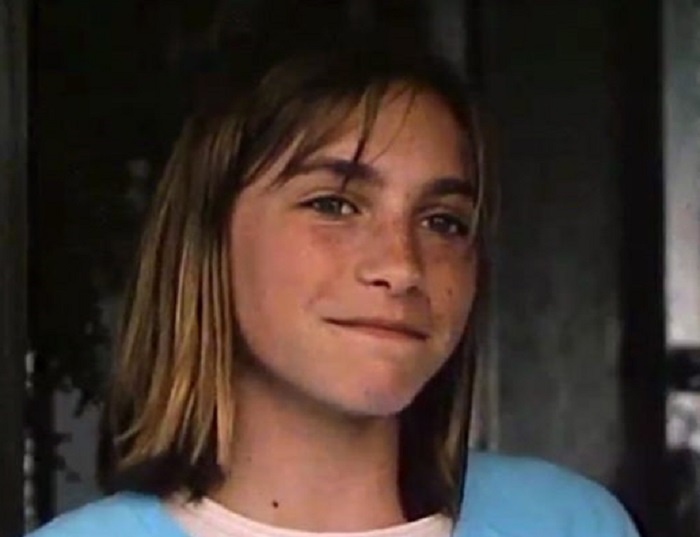
We also see a very young, even pre-Molly Claudia Karvan (along with Samantha Rebillet) in the film! How did she come to be cast? I know her parents ran the Kings Cross nightclub Arthur’s…were they involved?
“Samantha Rebillet was the daughter of our wonderful second assistant director Chris Maudson. We cast producer Richard Brennan as a sleazy chemist who our protagonists score from, having stolen a panda bear from two kids outside the chemist shop to give them credibility. Chris said we could use his daughter Samantha and she could bring her best friend Claudia who is Arthur and Gabriel Karvan’s daughter. Arthurs was the coolest nightclub in Sydney and he and Gabrielle were pretty cool themselves.”
What do you recall of the original cinema release?
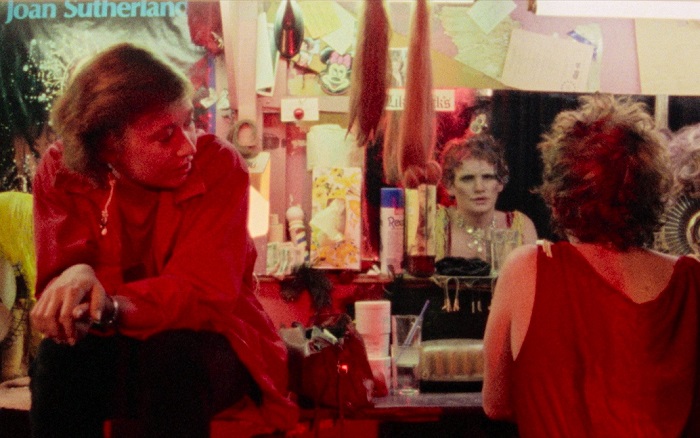
“I’ve always been a great believer in screen testing cuts of my films. Once we had Going Down into a reasonable shape, we screened to audiences of 20 to 30-year-olds, the only ones we are interested in, across three locations in Sydney. We enlisted a large group of people to interview each member of the audience. We didn’t want them simply ticking boxes. We knew we had a hit on our hands. The kids absolutely loved it. It spoke to them. It was about their lives. They identified deeply with it from the opening shot through the desolation of a shared house the morning after the night before. The kids absolutely got it. Unfortunately, distributors didn’t. Despite our survey results, dear Allan Finney who I had first met as a fantastic actor at La Mama in Melbourne and was now a senior exec at Roadshow rejected the results as they had not been from a legitimate market survey company. We had one distribution executive suggest the film should be banned. What I didn’t know at the time was that she had daughters about the same age as the girls in the film!”
So, what happened?
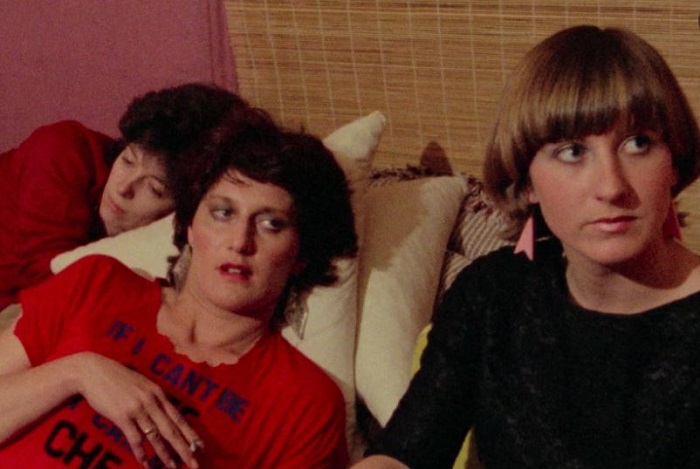
“We gradually worked our way down the chain until we ended up at The Roma Cinema in George Street in Sydney, which was owned and operated by Richard Wahldberg. Richard taught me one of the great lessons I have learned and one that was very foreign to many of the executives I’d been dealing with of the cultural authorities who had rejected the film. He said, ‘Bring me the first and the last reel of the film. I just want to see how it starts and how it ends.’ He watched them and said, ‘It’s appalling…the deafening music, the girls with the skirts up their backside, the drugs, the grubby nightlife…you open in four weeks!’ But you said it was appalling. ‘It is,’ he said, ‘but I’m not the one buying tickets. I know who will be, and there’s a lot of them out there.’ He was right! There was a queue 100 metres long down George Street on the opening night. Richard had not put his own personal opinion into the decision, unlike the aforementioned managers and cultural czars. He made a judgement on who we thought the audience was. We opened to reviews that were right over the top. We ran for fourteen weeks in George Street but we had trouble with the suburban screens mainly being controlled by majors. To get the film out to the kids who wouldn’t come into town to an art cinema, we hired a large PA, a video projector, and U-matic video tape player and three nights a week we went to massive pubs in Newport, Cronulla and Blacktown. Once a week in each pub, we played the film loud in large bars where it went down an absolute storm. It worked a treat and made money.”
How did it go in Melbourne?
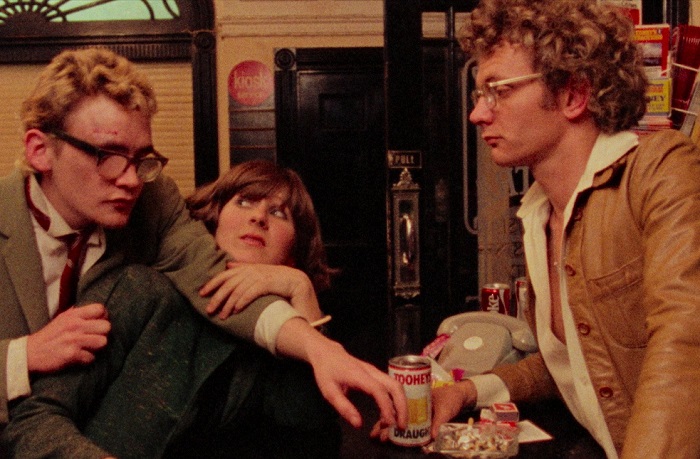
“The one bungle we made was the disastrous release in Melbourne. We launched the film during grand final week and struggled to get any interest whatsoever. The biggest problem and what I didn’t know was that the screen we were going into had until the night before we opened had been screening softcore porn. And here we were with a film called…Going Down! The raincoat brigade wanted their money back. It was hilarious and the owner made so little money that I didn’t have the audacity to even invoice him at the end of the week. It was a great learning experience. One of those marvellous adventures in the screen trade. The film got picked up at The Sundance Film Festival and screened at a number of great festivals around Europe in the UK.”
Is this re-release a little bittersweet for you too? Several of the main players are very sadly no longer with us, the Kings Cross so gloriously on show in the film is pretty much gone, this type of filmmaking doesn’t really happen anymore…how does it all sit with you?
“It’s a strange experience watching the film now. It looks and sound better than it ever did and audiences are divided into two groups as far as I can see. There’s a segment who saw the film in its original release and are coming back to see their own youth when they were young and gorgeous and things were simple and wild. But two-thirds of the audience now are young and at times I’m picking up a sense that they feel like they missed out on something so vivacious. The landscape in the film is so vibrant compared to today’s rather vanilla cultural landscape. But for me, it’s a strange and at times almost melancholy experience watching the ghosts of dear friends in their youth and prime performing for audiences in the dark of today’s very different world. The Kings Cross depicted in the film has gone and the era of filmmaking that allowed you to negotiate with the main roads department and get The Sydney Harbour Bridge closed for half an hour for free has definitely gone. In hindsight, it was a very romantic period and I’m so glad to have experienced it.”
Would you like to do this with any of your other projects? Do you think the world is ready for a return to Pandemonium? I certainly do…
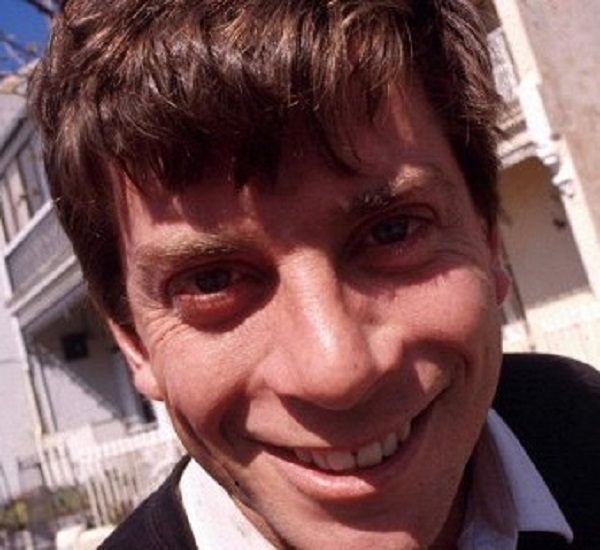
“We’re in the process of beg-borrowing-and-stealing restoration on our catalogue of films. We’ve got the first part of the restoration of our psych hospital drama 27A completed. We have the scan done of Esben Storm’s extraordinary gem, In Search Of Anna, which is lain undiscovered for forty years. We have a wonderful scan finished of our skidmark across the landscape of Australian cinema, Pandemonium. I’m hoping we can find theatrical outlets for each of them. The feedback I’m getting from young people about Pandemonium is that it seems quite possible that its time has come. Umbrella Entertainment is going to be releasing our catalogue later in the year, so I’m very hopeful that the films will step into the light. They warrant it and audiences will see a chain of films that have come from the outer limits. They’re disturbed and disturbing, enlightening and uplifting, and a welcome high quality alternative to the mainstream Australia cinema.”
Going Down is released in cinemas on May 15. Click here to read our interview with leading lady Tracy Mann.
