


by Ronan Becker
With Hollywood falling victim to hauntology and sequel syndrome, world cinema filtering more into the zeitgeist, and streaming services making moviegoing more accessible for families, indie film studios across the world have come to play a growing role in the landscape of modern cinema. Australia’s film scene is no exception here either, with indie filmmakers like Ivan Sen (Mystery Road), Mairi Cameron (The Second), and even documentarians like Laurence Billiet (FREEMAN, The Giants) making great strides in our cultural canon, and showcasing the depth of stories and narratives that exist all across the country.
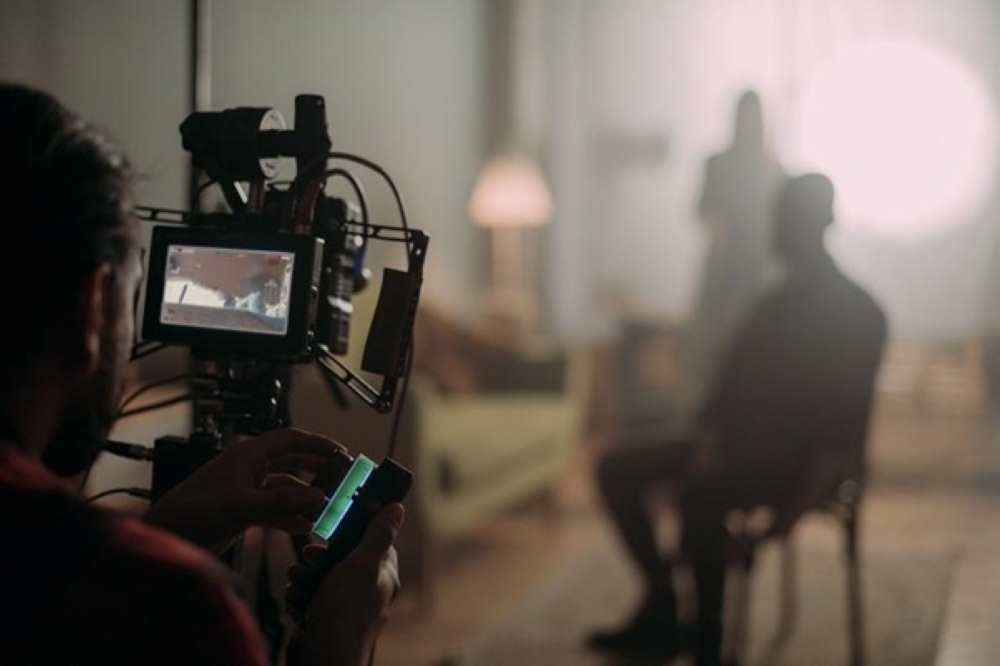
For indie filmmakers looking to break ground on their very own film production studio, chances are you have a long list of concepts that you’re keen to explore. You just need to equip yourself with the necessary tools and infrastructure to get your project into motion.
Starting up a film production company is a trial in and of itself, but it’s by no means an impossible task. With an agile approach to business development, you can get your name out there as an artist and perhaps even put together the financial backing, equipment assets, and even staff that you need to build your own film studio from the ground up.
Here are a few growth planning strategies that we’re seeing indie filmmakers across Australia implement today.
Consider legal compliance and business security
First thing’s first, you’ll want to make sure that all your legal boxes are ticked. This means registering your company with the ABR and ATO (for tax purposes), as well as investing in the right business insurance to support your studio. Film sets can be hazardous environments, for instance, so public liability insurance is a must. The MEAA (Media, Entertainment & Arts Alliance) highly recommends PL insurance and equipment insurance for indie studios to ensure that all staff (cast and crew) are covered in the event of an injury or accident, like a felled spotlight.
Speaking of staff, consideration for onboarding processes is also essential here. You don’t want to be inviting any professionals onto your team without making sure they’ve signed employment agreements with you. These contracts should clearly define ownership of footage, client rights, and payment terms, either across individual projects (if staff are being hired on a project-by-project basis), or for ongoing employment with your studio.
Invest in the right equipment for your projects
With your legal compliance requirements and tax infrastructure ticked off, it’s time to start spending your startup money and investing in some film equipment for your indie studio. We’ve got a guide on this already, so we won’t dive too deep into it here, but as a starting point, you’ll need to at least invest in cameras, tripods and dollies, lighting, audio tech including lav mics and booms, and sound tech like mixing boards.
On top of hardware, you’ll also need to invest in software packages for your studio, including offerings like Adobe Creative Cloud (for Photoshop, Illustrator, Premiere Pro, etc.), and CapCut, Final Cut Pro, and other film editing software. Scriptwriting and storyboarding software solutions like Celtx are also an ideal investment for ensuring all project materials are in a standardised format to send off to prospective cast members, DoPs, and other collaborators.
When it comes to purchasing film equipment for an indie production company, it’s best to prioritise based on your project list. What hardware and software will you have the most pressing need for based on the project you’ve lined up next? Following this approach will help ensure that your equipment investments stay optimised to deliver a strong return.
Take advantage of film festival submissions
We don’t doubt that all indie filmmakers have been over the moon to hear about the return of Tropfest for 2026. If you missed the submission deadline for this year, then just make sure you’re ready to submit come December 2026 for the 2027 intake.
But Tropfest is just one of many Australian film festivals that your studio may be able to enter. You can also submit any short or feature films to MIFF (Melbourne International Film Festival), the Australian Independent Film Festival, and the Sydney Film Festival – just to name a few! We also have the Very Short Film Festival for films that are as short as 2-5 minutes in length, plus the Young Australian Film Festival for younger filmmakers. It’s all about finding the opportunities that are most valuable to your studio, and getting your name out there.
Pro tip: alongside submitting to film festivals, remember to also stay in the loop with updates to Screen Australia’s funding programs. Submissions are open year-round. For filmmakers looking to secure funding for narrative content or development projects, you may just be eligible to secure some additional support plus access to Screen Australia’s wider network of industry partners.
Publish content regularly on YouTube and social media
Finally, one of the most potent, low-cost strategies for indie filmmakers is implementing a direct-to-fan model, where studios can distribute their content directly to fans and gain revenue from their audience rather than by proxy through providers like Spotify. With platforms like PATREON, indie filmmakers can release exclusive content surrounding their film directly to sponsors within their public audience.
Regularly publishing content on YouTube and social media can also play a major role in cultivating a loyal viewer base for your studio. The more people are engaged with your outputs on social media, the more likely it is for entities like Screen Australia and other partners to green light your pitches or proposals, recognising the commercial value of entering into a partnership with your production company.
Set your film production studio up for success with these strategic investments
As is the case with making it in any industry, forging your own pathway to success as a filmmaker and film production company means getting yourself out there and forging meaningful industry relationships. Thankfully, films are organically collaborative projects, so every new concept you take on is guaranteed to see you working with new people.
The best thing you can do is to just keep saying yes and showing up. With a professional approach and a results-oriented attitude, you can make sure your collaborators want to keep on creating with you, which will bring more opportunities to your doorstep.
