


by Stephen Vagg
We’ve covered George Wallace fairly thoroughly for this magazine, with pieces discussing His Royal Highness, Harmony Row, Let George Do It, Gone to the Dogs, Rats of Tobruk and Wherever She Goes. To round off this Wallace-philia nice and neatly, here’s a piece on his 1934 film, A Ticket in Tatts, Wallace’s third feature.
Like His Royal Highness and Harmony Row, it was directed by FW Thring, who had put Wallace under long term contract. The script is credited to Wallace and John McLeod, a jobbing writer from the period who seemed to turn his hand to whatever paid, including radio plays, humour novels and the script for Typhoon Treasure.
According to a copy of the script at the NAA, A Ticket in Tatts was based on two sources: High Heels, a revue by Wallace where he played a stableboy, and High Stakes, by John McLeod. Wallace said High Heels was inspired by the Phar Lap story, in particular the time that gangsters tried to take out the horse – which also led to the film Thoroughbred.
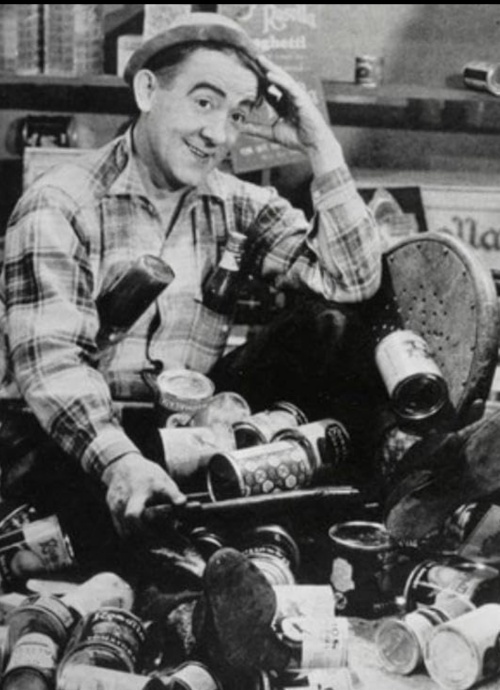 The story for A Ticket in Tatts revolves around Wallace getting a job as a stableboy at a stud farm. He befriends a horse called Hotspur, who is a favourite to win the Melbourne Cup and develops a strong whistle that is used to make the horse run fast. There’s a whole bunch of subplots – gangsters are out to get the horse, Campbell Copelin is a writer who stays at the stud farm and romances Thelma Scott despite her being engaged to Frank Harvey, Wallace pursues a maid.
The cast is full of Wallace’s regular stage co-stars such as John Dobbie and Marshall Crosby, and features Thring favourites like Campbell Copelin and Frank Harvey, who would later be in Clara Gibbings. The movie is creaky, with a particularly dumb plot where Scott can’t break up with Frank Harvey “because a bet’s a bet” and comic set pieces plunked in the middle (Wallace as a waiter at a cafe).
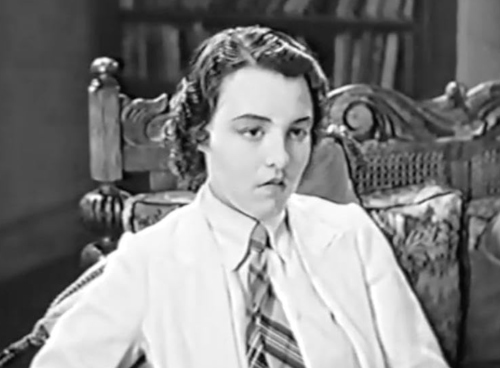 But it has a strong cast, decent central conflict (gangsters wanting to take out the horse), and impressive location photography, not to mention numerous incidental pleasures such as the way Thelma Scott’s character clearly lusts after Campbell Copelin’s – quite progressive in its way, to see this female desire. The whole film indicates a will by Thring to improve, and it’s interesting to wonder how his cinema career would have panned out had he lived another ten to fifteen years, instead of dying in 1936.
Thring had more plans for Wallace. He cast the comedian (alongside Copelin and Harvey) in Sheepmates, an adaptation of William Hatfield’s novel that was called off during production. There’s some vision of it here.
He also put Wallace in a stage musical, Collits Inn, a landmark in Australian theatre history which was a big hit and which Thring planned to film – he shot some sound tests but died before he could make it.
Anyway, you can see A Ticket in Tatts in all its glory here. No classic but no disgrace and a fair amount of fun is to be had.
