



by Julian Wood
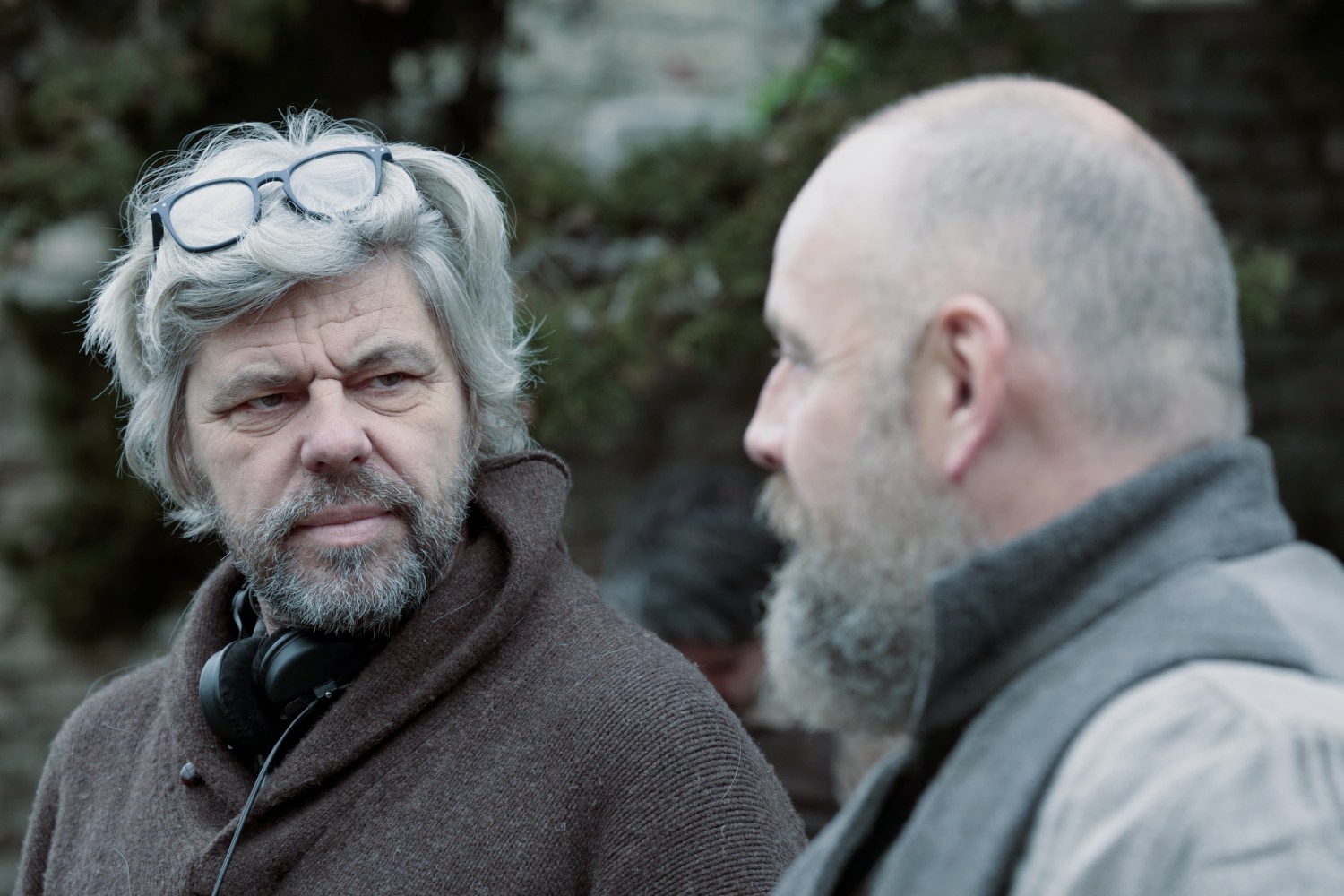
Writer/Director Eric Besnard has worked with popular French character actor Grégory Gadebois several times, most notably on A Great Friend (2023) and Delicious (2021). On his latest film, Jean Valjean, he has Gadebois in the titular role of the famous fictional character from Victor Hugo’s Les Misérables.
“He’s a national hero. In fact, all the characters in the book are so important in the history of French literature,” says writer/director Éric Besnard about Les Misérables’ Jean Valjean, who is the titular character of his latest film. “Some of the characters from the story are archetypes now that are well known to all; Gavroche, Cosette, Inspector Javert and of course Valjean.
“You could say that the writing of Victor Hugo is the soul of the French. He revolutionised French literature and no one can forget those characters.
“The novelist Gustave Flaubert said it was too baroque,” laughs Besnard. “Too over the top … but Hugo’s aim was popular writing. It is ‘of the people for the people’. He is like Dickens in England perhaps, but this was the first of its kind in France.”
Speaking from France, Besnard recalls the significance of Hugo’s political stance and his championing of the poor – also true of Dickens.
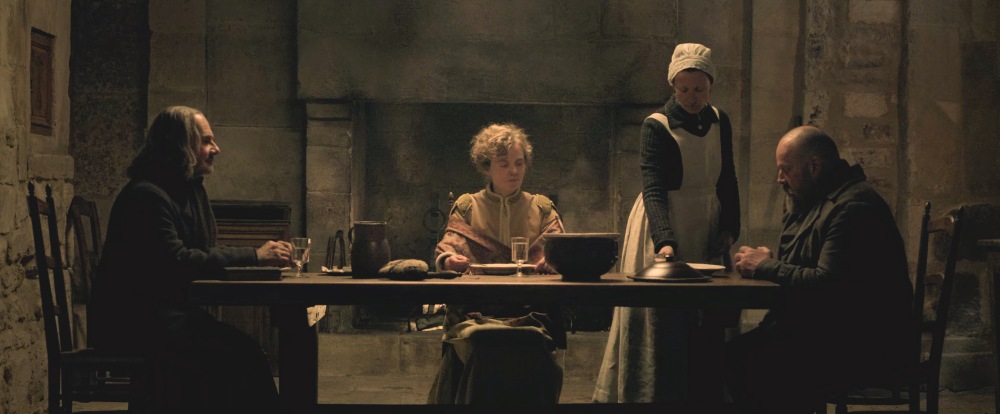
“He is a big thinker,” Besnard says of Hugo. “He is incredibly important politically too, his ideas around humanism and especially his idea of giving downtrodden people a second chance. The start of the novel revolves around this idea of the second chance, and the idea also of a small action that can change everything. So, Valjean is also a hero for the people, this was a worker who fell from grace, but who can reform. He is a hugely popular character.”
The film doesn’t show the whole arc of Valjean’s character, and one wonders what Besnard’s reasoning for this may have been. “There have been so many versions of Misérables on the screen. Maybe 15 or 20, but this was also partly a question of budget. But even if I had a big budget, I still wouldn’t do like a Baz Luhrman version! For me, it was a matter of finding a way into the story. Twice, I was asked to do it, but initially I refused because the whole book is too much. But then I went back and reread the novel, and I realised that the opening was an entire film in itself.”
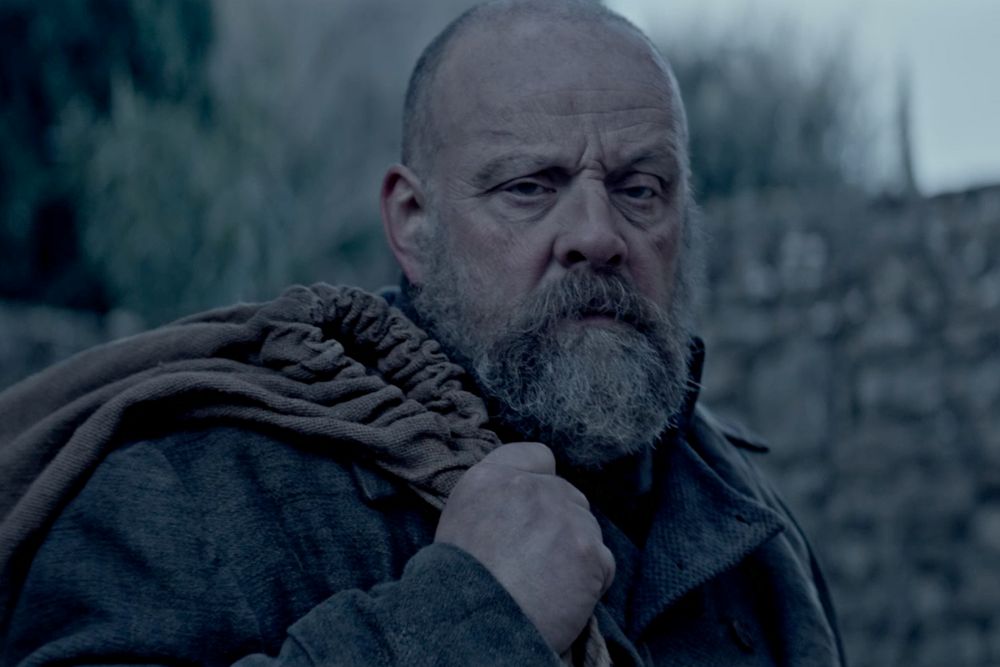
Besnard also credits his oft collaborator Grégory Gadebois with allowing him to make this film. “It was not at all a complicated choice to cast him. This is the fourth time that I have worked with Grégory. In fact, it was because of him that I could write the film, because he was there. I wasn’t even sure, initially, which role to put him in because he could easily play both leads – he is so multitalented – but this way offered him a chance to take a big leading role. And in the end scene when he has this big illumination, I needed someone who could show that – all the innocence of man.”
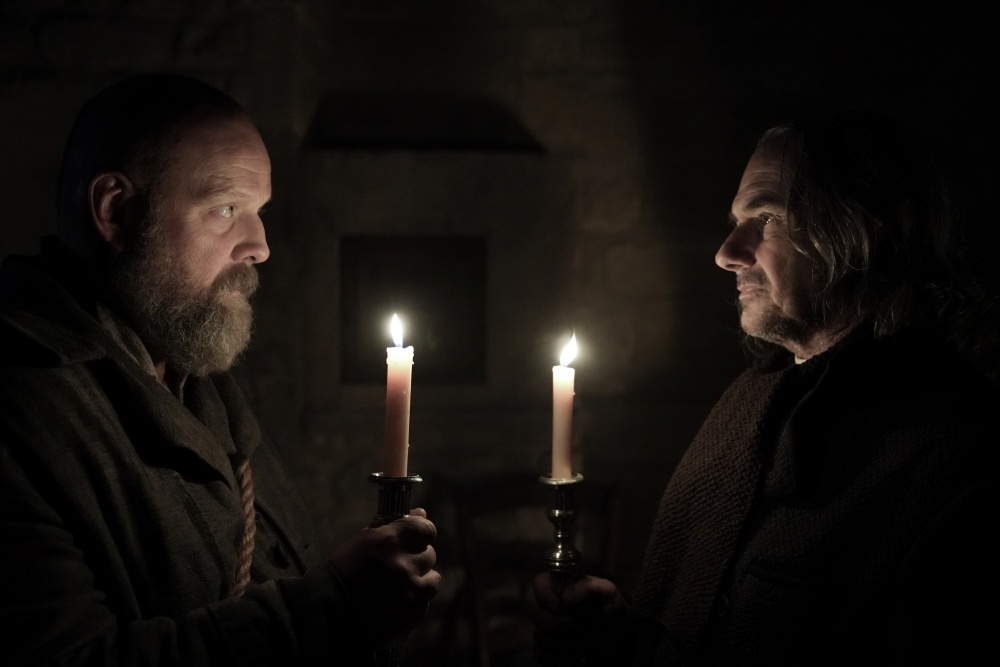
We also ask about the other male lead, played by Bernard Campan, with whom Besnard had not previously worked. Campan has to play a reformed priest, who has known sin but now has come to a place of acceptance, which is why he is such a good role model for the Valjean character. The two characters have many great scenes that are like delicate moral fencing matches.
“I was well aware that this priest is a very complex role,” admits Besnard. “I needed to find an actor in his 60s, who could play this sort of sobriety, but who had shown he had experienced this hostility and opprobrium too. It is a kind of oxymoron; it is really difficult. He needed to have a fragile sensibility, and we also needed to find someone who is open to all this. Bernard is great because he can show this depth of emotion.”
We end by asking Éric Besnard about the sometimes dark lighting and the grey green palette of the film, and the choices that he and cinematographer Laurent Dailland were making? “So, first, it was shot in cinemascope, which gives the idea of small people in a big landscape. In fact, it was shot in a way like a western. And, yes, with the colours, I wanted the full chromatic scale. Initially, I thought about filming it in black and white but in the end, I decide to desaturate the colour to reduce the palette that way.
“It was also important to play with the idea of night, of shadow, which gives the idea of being tempted to the dark side. The scenes in the quarry where you have this incredible white against the red of the men in power … also, I was thinking back to a fantastic version of the story that was shot back in the 1930s which had that ‘flame’ feel to it.”
Jean Valjean is in cinemas now
