


by Gill Pringle in LA
If statistics tell us that female serial killers account for roughly 10% of all serial murderers, then Emmy Rossum was fascinated by what might push a woman over the edge.
“I’m very curious about what it takes to push someone that far; what it would take for a woman to become a serial killer? What does it take for a woman to kill and then kill multiple times?” she asks.
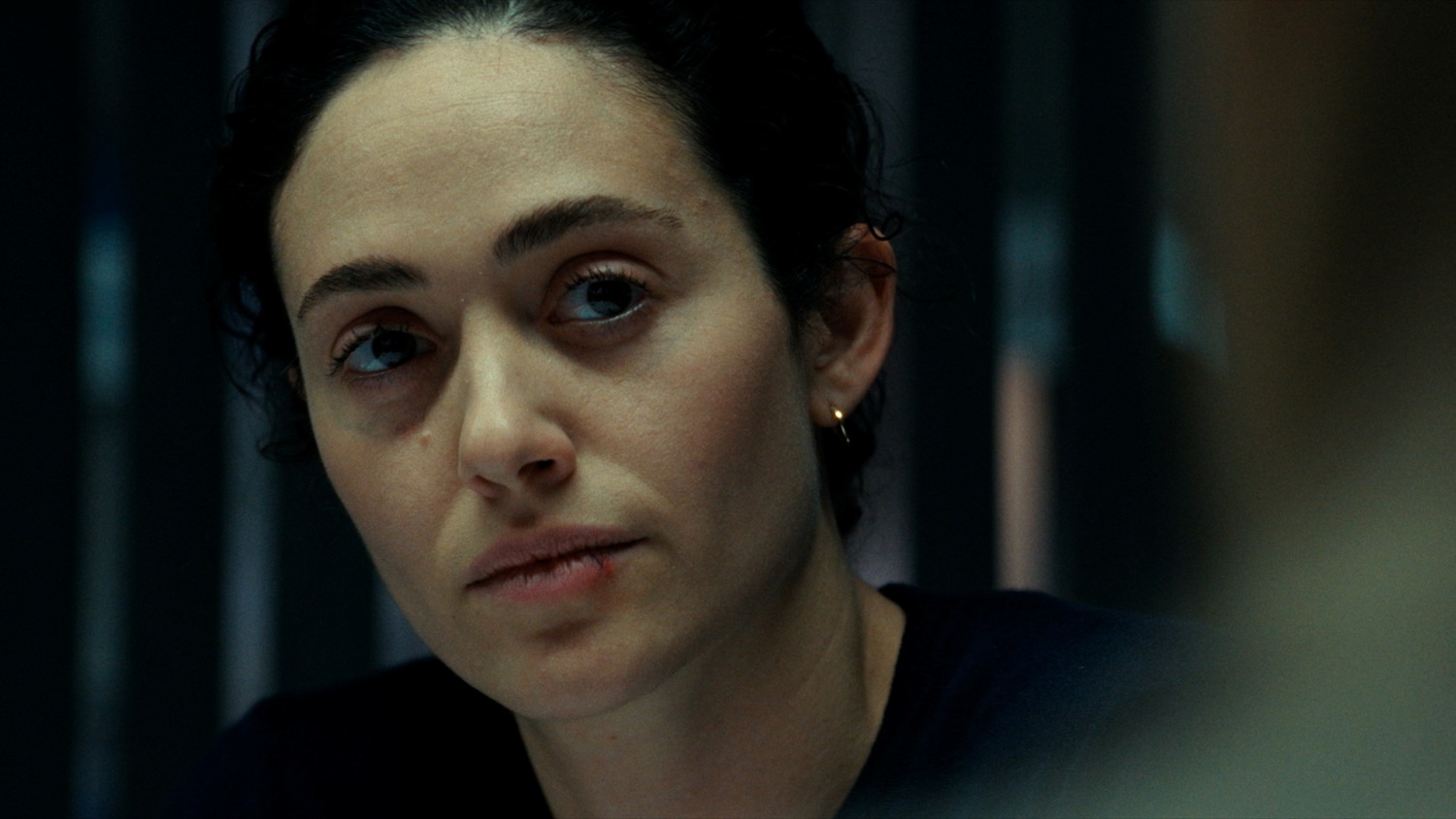
“That kind of drive, real focus and commitment to justice and vengeance,” muses Rossum, 39, who was immediately drawn to Elizabeth Meriwether’s dark and twisty script for Furious.
The eight-part series sees Rossum portray Alice Black, a cop-turned-FBI agent who believes that the murders of seemingly unconnected men is the work of a lone female serial killer.
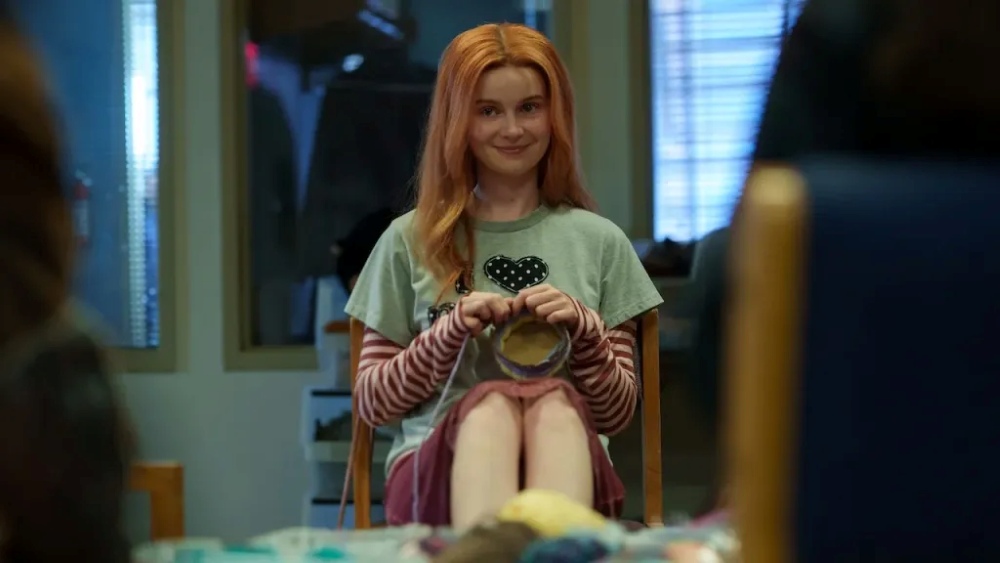
In a cat-and-mouse game between Rossum’s Alice and Lola Petticrew’s Catherine [below], a trafficked teen-turned-avenger, the series blurs the line between justice and vengeance; Alice using her own experiences with trauma and violence to get inside the mind of the killer.
The result is a deeply psychological exploration of how abuse leaves lasting scars. “I think that there is a real fury there at what women have endured,” argues the former child actress and opera singer. “But you can’t just make it about one predator, because you could throw a dart and hit a lot of predators who have been in the news over the course of the last 25 years or forever,” says Rossum who starred as Fiona Gallagher in the hit US version of Brit series Shameless alongside The Bear’s Jeremy Allen White.
“I think our show is really about the women, and what I think is unfortunate about that one case is that we know that man’s name so well,” she says, darkly alluding to the Epstein Files. “I wish that we knew those women’s names and that some of them were here to tell their stories”.
If Glenn Close’s “bunny boiler” in ‘80s flick Fatal Attraction, terrified not just Michael Douglas but every cheating husband on earth, then Furious makes her revenge seem quite tame in comparison.
But don’t use the word “obsession” with Rossum. “Obsession gets a bad reputation because to actually do anything really well, you have to be a little obsessed. And I found that most palpable in the time I spent with former and current FBI agents and law enforcement. They are very passionate about their job, and it feels like a big part of their identity. It’s more than just a job.
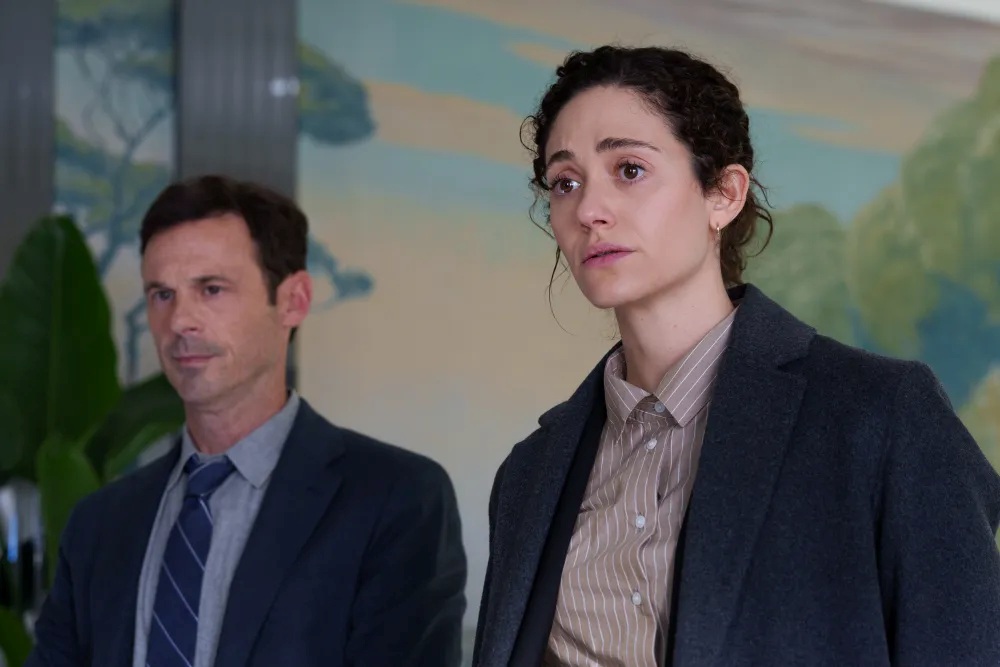
“I think for mine and Lola and Quincy’s characters, we’re seeing three women who have been underestimated and so therefore they have to operate differently,” she says referring to her co-star Quincy Tyler Bernstine [below with Rossum’s Alice Black) who plays a senior FBI agent specialising in crimes against children and young people.

“They have to be obsessed, and they have to work harder to ace their mission because no one is helping them,” says Rossum who made headlines in 2016 after negotiating equal pay with her Shameless co-star William H. Macy.
“It’s always scary asking for what you think you’re worth. It was really about being valued equally when I was doing equal work. I think women have a lot to be furious about and our power does come from being underestimated.”
Raised by a single mum in New York, who taught her early on to stand up for herself; just seven years old when she was invited to join the Metropolitan Opera’s Children’s Chorus – even performing alongside Pavarotti and Domingo.
At 15, Clint Eastwood cast her in his Oscar-winning crime drama Mystic River, a year later landing the key role of Christine Daaé in the 2004 film version of Andrew Lloyd Webber’s The Phantom of the Opera opposite Gerard Butler.
Long drawn to darker stories and roles, Rossum’s nine-year marriage to Mr Robot creator Sam Esmail and the happiness they have found together, sharing two children, allows her to dig even deeper. “I think that as an actor, when you approach a role, if you’re playing the good guy or the bad guy, your job is to approach everything with empathy,” she says.
“And when a character is different than you, that’s what’s so exciting to learn and excavate and cannibalize the parts of yourself that are the darkest that scare you; cannibalize things about your own life and your history for the purpose of bringing the character’s world to life and connecting and touching people that are ultimately watching this,” she says of Furious, which also features Scoot McNairy and Jake Lacy.
“I think storytelling is at its strongest when it confronts something in us and it’s an opportunity to think about the world differently – this is certainly a very different character than I have ever played, one who is much more internal, much more reserved, who’s very disconnected from herself, and I think that’s true for both of the main female characters. And that’s because of the violence that has happened in their past towards them, they are both needing extremes to feel. And I think that, for me, is very different…
“I am somebody who is deeply feeling at all times, like the wind could blow and I will feel everything. So, I think for me, to channel my way into what would it take for this character to… not only because they are a victim of violence, but also working in law enforcement, you have to disconnect from some of the softer, more feminine parts of yourself in order to do the job, in order to exist in a male-dominated field.
“And in order to exist in a field that has the intensity that this one does, year after year and decade after decade, there are dark parts of this role and ways in which both of these characters are exhibiting really risky, dangerous behaviours.
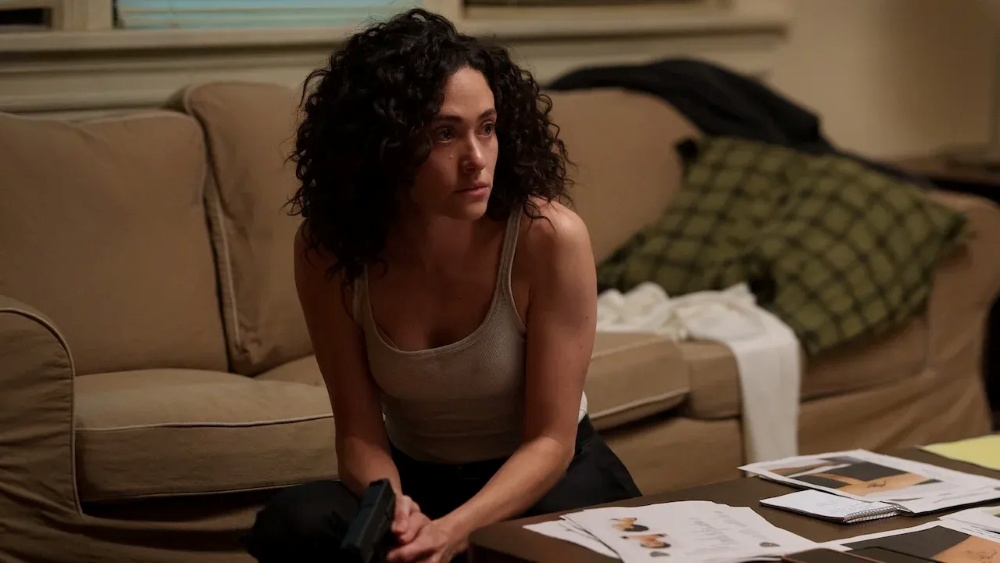
“I think that Liz sets a fire, and then as the actors, our job is to run towards it and figure it out,” she says of series creator Elizabeth Meriwether (Dying for Sex).
Rossum admits to a certain freedom as she approaches her 40th birthday. “I think the gift of no longer being an ingenue is the opportunity to play characters that are flawed and dynamic and who have history behind them. I run towards those opportunities, and often an agent will be like, ‘Most actors would not want to do this, so I’m gonna send it to you’,” she smiles. “Those are the opportunities that I’m drawn to, even with [Apple TV series] The Crowded Room, where I played a mother who was in denial about the sexual abuse of her child.
“So, I’m very interested in characters who cause me to feel an initial judgment or confusion or shame. I run toward those opportunities because I think that means there’s something that needs to be excavated about myself, about my own empathy, about society’s empathy.
“And I think women in general, it’s very easy to say, like, ‘Oh, angel or devil, or good guy or bad guy,’ and I am much more interested in the messiness of reality and human complexity.”
Furious is streaming now on Disney+
