



by Maria Anchorage
They embody a profound expression of cultural heritage and individual identity. This exploration delves into the intricate symbolism of these tattoos, highlighting their historical roots and their enduring significance within the Maori community. By examining traditional patterns alongside modern adaptations, we reveal the embedded meanings in these tattoos and their continued influence across generations.
Historical Background and Cultural Significance
This article was prepared by the NZCasinoHEX team and we hope you are going to enjoy it.
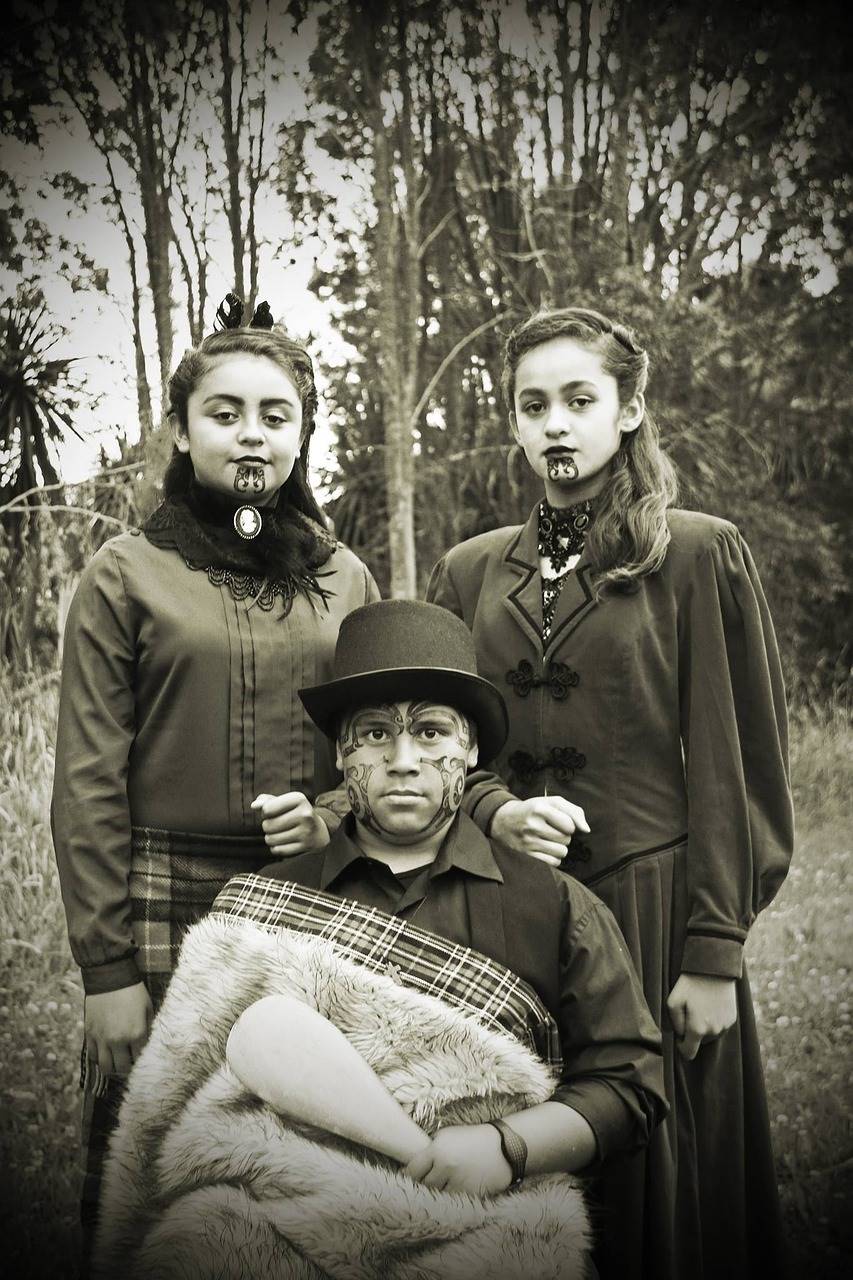
Maori tattoos, or moko, occupy a revered space in the cultural and spiritual life of New Zealand’s Maori people. These tattoos trace back centuries, serving not merely as decorative art but as profound expressions of personal identity and social stature. Moko transcends aesthetic appeal; it is deeply intertwined with the wearer’s family history, tribal affiliations, and societal position.
The application of moko involves complex designs etched into the skin using uhi (chisels) fashioned from albatross bones. This method was not only excruciating but also fraught with risk, and the extensive healing process that followed was a testament to the wearer’s strength and endurance. Both men and women underwent moko, though the specific designs and body areas tattooed varied by gender, with men often receiving full facial moko.
Moko serves as a visual language, with each symbol and pattern representing different aspects of the wearer’s life and history. For instance, the koru (spiral) design symbolizes new beginnings and growth, while various shapes and lines signify ancestry, major life events, or traits such as strength or wisdom. The facial moko, especially revered, narrates the individual’s lineage, achievements, and more.
As the Maori navigated the impacts of European colonization, the practice of moko waned significantly. However, recent decades have seen a resurgence of these traditional practices as part of a broader Maori cultural revival. Today, moko remains a potent symbol of cultural pride and identity, linking wearers to their ancestors and the rich history of the Maori people. This resurgence also signifies a reclamation of cultural heritage and a resistance against cultural assimilation, underscoring the tattoos’ lasting importance in Maori culture.
Similarly, just as moko embodies a deep sense of identity and tradition, many New Zealanders enjoy engaging in activities that reflect their unique culture and preferences. One such modern pastime is participating in online casinos. Among the most popular are the online casino platforms that offer a variety of games and betting opportunities tailored to New Zealand players. These platforms, available at the top-paying online casino in NZ, provide a way for Kiwis to enjoy a secure and entertaining gaming experience, complete with localized customer support and the convenience of using New Zealand Dollars (NZD).
Understanding the Symbols
Facial Tattoos
Facial tattoos, known as moko, represent one of the most significant aspects of Maori tattooing, with each face area reflecting different facets of the wearer’s identity and history.
- Forehead (Raurau): The forehead typically features designs that narrate the wearer’s genealogy. Patterns here may represent different generations, solidly linking the individual to their ancestors.
- Eyes (Tā ia): The area around the eyes, referred to as the Tā ia, usually signifies the wearer’s social position or status, encapsulating roles from leadership to specialized tribal skills.
- Cheeks (Pāpāringa): Markings on the cheeks often denote tribal affiliation and familial connections, crucial for identifying the wearer’s roots within the broader Maori community.
- Chin (Wero): Particularly among women, the chin tattoo symbolizes marital status and maturity. The intricate designs reflect significant aspects of the wearer’s role and status within their family and tribe.
Body Tattoos
Beyond the face, body tattoos convey a broader array of stories and attributes, marking achievements, life changes, or tribal status.
- Arms and Legs: These limbs might display various patterns that denote the wearer’s life experiences, such as battles fought, journeys undertaken, or skills mastered. These tattoos serve as a living record of the wearer’s bravery, expertise, and significant life milestones.
- Back and Chest: These areas often feature larger and more complex motifs, which may narrate epic tribal myths or significant historical events. The back, in particular, serves as a space for storytelling, illustrating pivotal moments in the wearer’s life or in the history of the tribe.
Symbolic Motifs
Several recurring motifs carry profound meanings:
- Koru (spiral): Represents new life, growth, strength, and peace, often symbolizing personal growth or new chapters in the wearer’s life.
- Manaia (spiritual guardian): Often depicted as a bird-like figure, the Manaia is considered a protector against evil, symbolizing balance and overseeing the realms of air, sea, and earth.
- Hei-tiki (figurine): Commonly worn as a necklace and also incorporated into moko, the Hei-tiki is believed to bring good luck and fertility, revered as an ancestral figure that represents continuity between generations.
Modern Interpretations and Adaptations
The resurgence of Maori tattooing, known as moko, in contemporary times features a fusion of tradition with modern influences, balancing cultural authenticity with artistic innovation. This revival not only honors ancestral practices but also adapts them to reflect the identities and experiences of modern Maori and those inspired by these designs.
Traditionally, moko was applied using uhi (chisels) which carved the skin, a method that has seen some resurgence for its cultural authenticity. However, many modern practitioners use tattoo machines, which are less painful and allow for quicker healing. This adaptation has made the art form more accessible to a broader audience, including non-Maori individuals drawn to these designs for their aesthetic appeal and depth of meaning.
Amidst its popularity, significant discourse on cultural appropriation has emerged. It is crucial for non-Maori individuals to understand the deep cultural connections and the meanings behind the designs. Respectful engagement involves consulting with Maori tattoo artists or cultural experts to ensure that the symbols used are appropriate and respectfully acknowledge their origins.
Modern moko often incorporates traditional elements with personal significance or broader universal themes, making each tattoo a unique statement of identity. These tattoos still carry significant cultural narratives but are also adapted to narrate personal achievements, life changes, or spiritual beliefs in a more global context.
Furthermore, the international tattoo community has shown considerable interest in Maori designs, attracted by their complexity and storytelling potential. This global appreciation encourages cultural exchange but also underscores the need for respectful and informed practice. The evolving nature of Maori tattooing is a testament to its resilience and adaptability, reflecting both the preservation of a rich cultural heritage and its continual evolution within a modern world.
The Influence of Maori Tattoos in Global Art
Maori tattoos, with their distinctive and intricate designs, have made a significant impact on the global art scene, particularly in the realm of tattooing. The unique patterns and symbols of moko resonate beyond New Zealand, inspiring tattoo artists and enthusiasts around the world.
Examples of Global Influence:
- Tribal Tattoo Trend: The bold lines and spirals characteristic of Maori tattoos have influenced the broader “tribal” tattoo trend that gained popularity in the 1990s and continues to be favored today.
- Fashion and Design: Maori motifs have been incorporated into clothing, accessories, and graphic designs, often seen in collections from global fashion brands seeking to capture a sense of earthiness and spirituality.
- Fine Arts: Artists around the world experiment with Maori styles, incorporating the patterns into paintings, sculptures, and mixed media art, reflecting the deep meanings and aesthetics of moko.
- Cultural Festivals: Maori tattooing is often featured in cultural exhibitions and festivals worldwide, where artists demonstrate the traditional methods and discuss the cultural significance, educating and engaging diverse audiences.
- Digital Media: In digital art and video games, Maori-inspired designs appear on characters and settings, introducing these traditional patterns to digital narratives and virtual environments.
This widespread influence not only showcases the beauty and complexity of Maori designs but also prompts discussions about cultural sensitivity and the importance of respecting and understanding the deep cultural ties associated with these patterns. As Maori tattoos continue to inspire globally, they remind us of the power of cultural expression and the interconnectedness of art forms across different cultures.
Conclusion
Maori tattoos are a beautiful and profound manifestation of heritage and identity. They serve as a bridge between the past and the present, a canvas illustrating individual and collective stories. As moko continues to evolve, it remains deeply embedded in the cultural psyche of the Maori people, a testament to their resilience and enduring spirit. Understanding and respecting the symbolism in Maori tattoos is crucial, not only for those who wear them but for anyone who appreciates this form of art. Through education and appreciation, the sacred nature of moko can be preserved and honored globally.
This comprehensive exploration helps to decode the complex narratives and cultural significance embedded in Maori tattoos, offering insights into a practice that is as old as it is continually evolving.
