


by Ali Mozaffari
First off, there are important details left out of this dystopian film that could have helped to make the audience more invested. It’s hard to understand most of the time who is exactly fighting whom and where the separated territories are, and the audience is left to assume them based on the real-life events during the last presidential election in the United States.
Secondly, it’s a road movie, and in this genre, the journey and its stops, are designed to unfold the story, develop characters’ relationships, and define them through their actions, but here, the road trip often takes random turns, and some story events could have easily been removed or replaced by other events. For instance, look at the long scene at the refugee camp where, apart from a moment between the young and older photographer, and their weak exchange resulting only in the mentor encouraging the mentee, the scene serves no purpose and feels like a break from the next action scene.
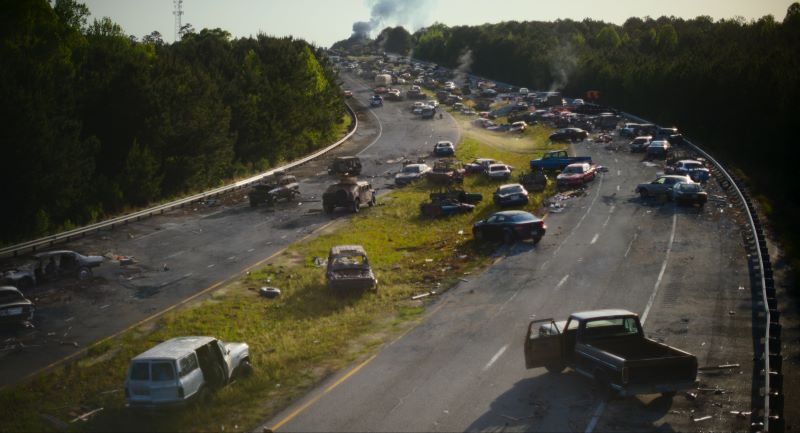
The script also relies on several random convenient coincidences and creates some of its climactic events by pure chance and not through a causal chain of actions caused by its characters. This results in passive protagonists that cannot carry the weight of the film.
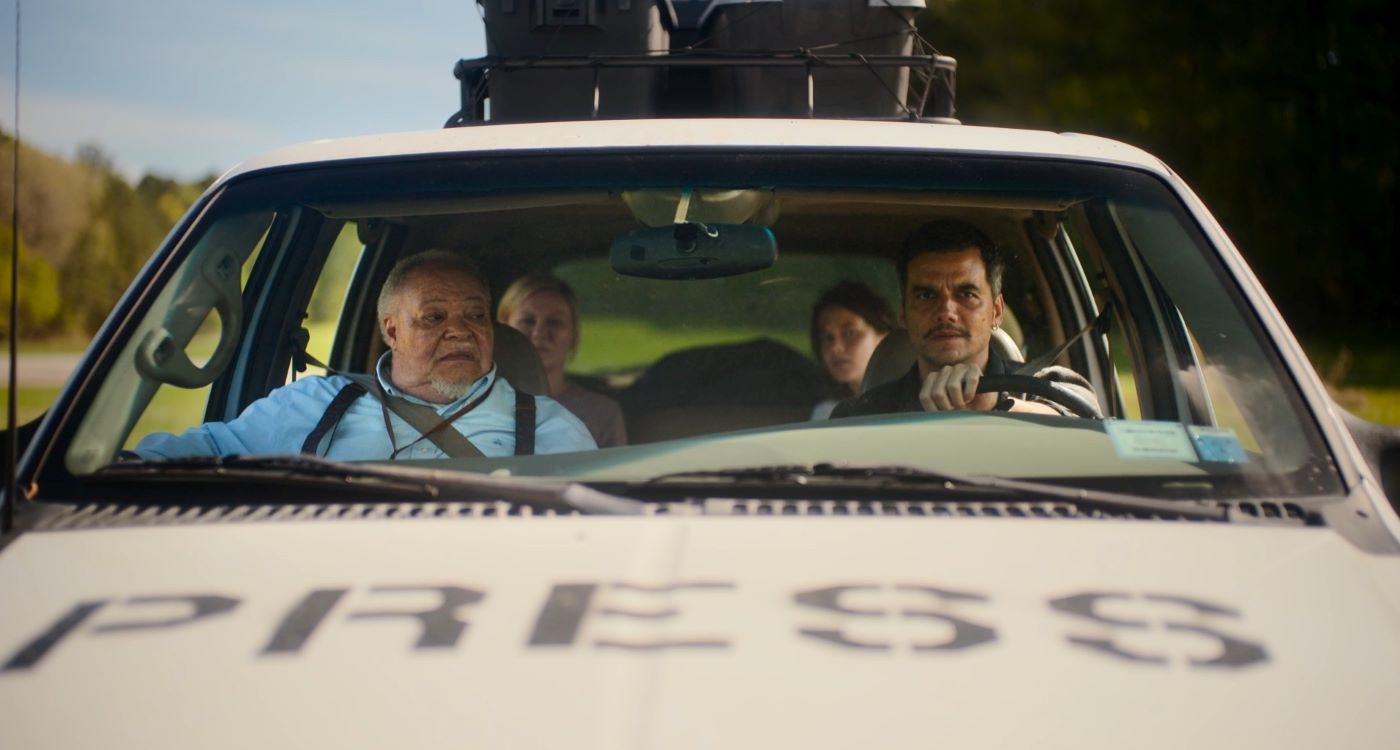
The film’s depiction of the photojournalists remains surface-level as well. They do not follow a constant trait in their behaviour and often act ‘out of character’; from supporting roles like the two happy-go-lucky journalists that start car racing on the road as if they forgot they are journalists in the middle of a civil war, to the main photojournalists (Kisten Dunst and Wagner Moura) that are cold-blooded and in control mostly throughout the horrific events but suddenly lose control and change in two critical scenes. Of course, people can lose control in the face of dire events, but the point is that characters’ sudden change of behaviour should be set up and earned in the story and not suddenly at the climax to forcefully serve the plot.
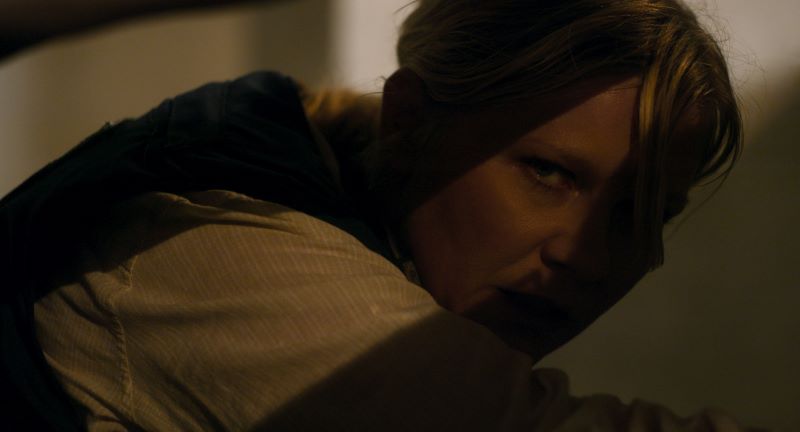
And finally, it is hard to figure out what theme is explored in the film. Is the film trying to warn about a dystopian United States? Or is it about the sacrifices that photojournalists make? Or is it an observation on a post-war society? Sadly, the film doesn’t decide which and hence the plot never fully brings any of these ideas to a satisfying close. It doesn’t provide any fresh angle, nor does it seem interested in provoking any questions other than what has been overtly discussed in popular media.
And by not taking us on a fulfilling dramatic journey for its characters, it leaves the audience indifferent, which defeats the film’s purpose.
